

RI Directors Kamal Sanghvi and Dr Bharat Pandya have started a new initiative — Project Positive Health – Stop NCD — for our zones.
India is facing an NCD epidemic responsible for 60 per cent of deaths. Indians are genetically and culturally prone to developing non-communicable diseases or NCDs, which are a major cause of premature deaths. Improper lifestyle and food habits contribute to the rise in NCDs among Indians. High-calorie food, rich in salt, oil and sugar kills many times more people than terrorism does. The four common NCDs are — diabetes, hypertension and heart disease, cerebrovascular accident (stroke) and chronic kidney disease (CKD).
A National Committee has been set up to take the ‘Stop NCD’ project forward. A three-pronged approach is needed:
- Know your numbers campaign
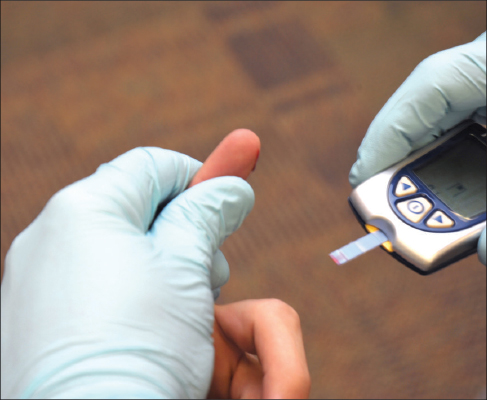
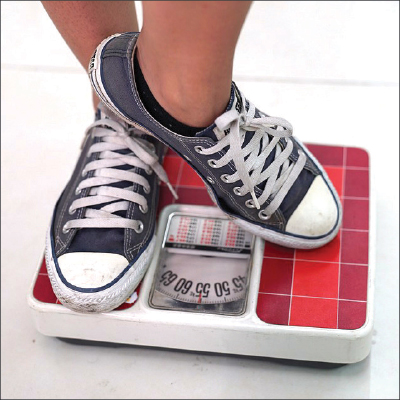
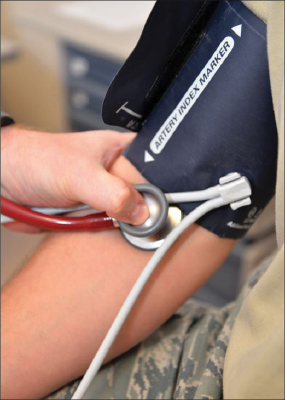
- Every Rotary club should take up a campaign that exhorts every adult to know his three main health numbers — weight, BP and blood sugar. Clubs must hold ‘Know your Numbers’ camps to monitor the weight, BP and blood sugar regularly in people. These camps are inexpensive and easy to organise.
- During these camps, health literature pertaining to importance of having the right numbers — BP measuring 120/80, BMI less than 25, fasting blood sugar less than 100 and post-lunch sugar less than 140 must be emphasised.
- Distribute brochures containing simple tips to control diabetes, BP, heart disease, stroke and kidney failure. Distribute brochures on healthy diet and lifestyle measures. A health talk or a panel discussion on FAQs on NCDs can be done at the camps.
- It has been decided to have common pan-India dates for four health camps by all the clubs, besides the regular camps and awareness programmes. The dates for the pan-India camps and awareness programmes are:
- Sep 29, 2019, Sunday — World Heart Day
- Nov 14, 2019, Thursday — World Diabetes Day
- Feb 23, 2020, Sunday — Rotary’s Anniversary
- April 7, 2020, Tuesday — World Health Day
- Spreading awareness
- Two-pronged approach — Awareness among Rotarians and community; Awareness in schools and colleges.
- Awareness campaigns with talks, videos, pamphlets and brochures.
- Schools and colleges should be targeted to address obesity in youth. While it is not easy to change adult behaviour, it is easier to change behaviour in children and young adults. An awareness campaign in schools and colleges and via social media is an important thrust area of this project.
- Involvement of Rotaract is important. Rotaract clubs can help in the social media campaign and spread awareness in schools and colleges.
- The tagline for the campaign is ‘Ek Chammach Kum, Char Kadam Aage’. It means one spoon less of salt, oil and sugar and 30 minutes of exercise daily.
- Advocacy role
Rotary, along with other NGOs, can form an advocacy group which can push the agenda of NCD control and the narrative on healthy living to take center stage with the government. Advocacy can be by ensuring food labeling especially salt and energy content, statutory warnings on unhealthy foods similar to cigarettes, restrictions on advertising of junk food.
Rotary has rolled out the Project Positive Health – Stop NCD and made it a pan India initiative to promote positive health among people. This is a very doable project. It is low cost and can be continued over a long period of time.
|
National Committee Members | ||
|
Name of NCM |
RI District Number |
Contact Numbers |
| Dr E K Sagadhevan | 3202, 3000, 3232 | 9994477725 |
| Dr Sushil Khurana | 3011, 3012, 3100 | 9810056308 |
| Dr Indumati Gopinathan | 3141 & 3142 | 9820031371 |
| Dr K Ravi Appaji | 3181, 3182, 3190 | 98805 61430 |
| Dr K Vijayakumar | 3212 | 9443161102, 9025162113 |
| Dr Sayantan Gupta | 3240 & 3291 | 9734184165 |
| Dr R Bharat | 3250 | 9934320311 |
| Ashok Singh | 3030, 3261, 3262 | 9861010130 |
| Dr Zamin Hussain | 3040 & 3053 | 9827316646 |
| Dr Mohan Prasad G V | 3020, 3150, 3160 | 9849082522 |
| Jayprakash Vyas | 3054 |
9824012876 |