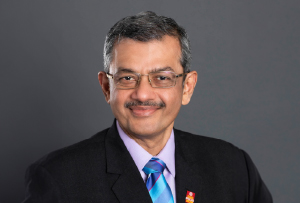
Our trek to the Everest Base Camp wasn’t just about reaching a destination;
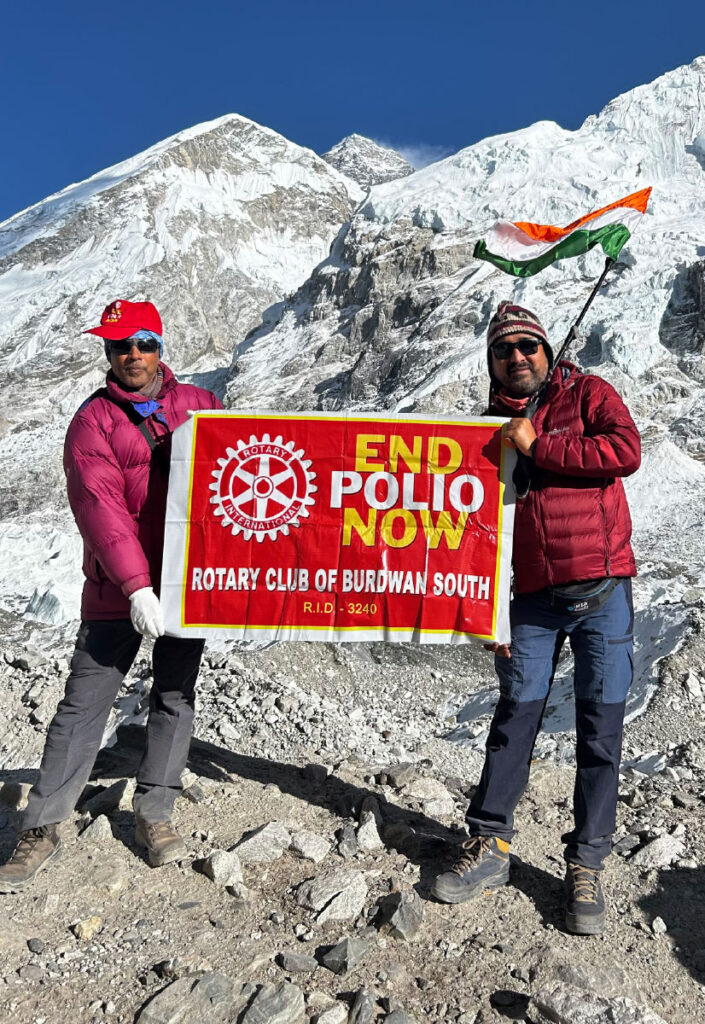

Our trek to the Everest Base Camp wasn’t just about reaching a destination;
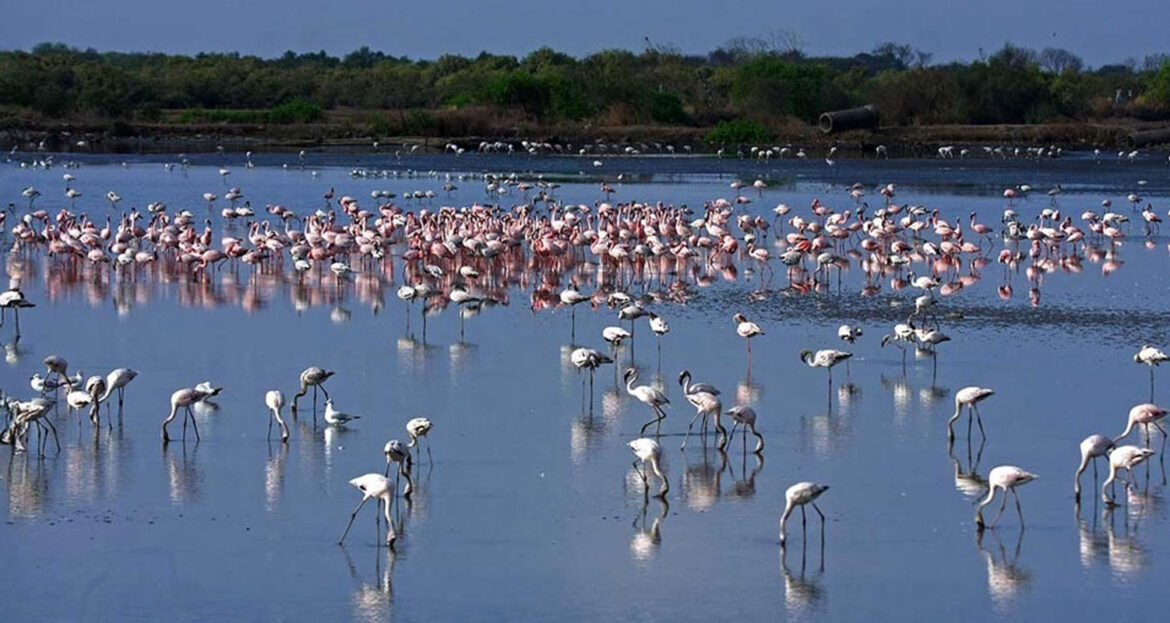
When members of the Rotary Club of Bombay Bay View, RID 3141, found that the breathtaking sight of flamingos wading through the mangroves in Navi Mumbai was marred by a startling reality… the ecosystem that attracts and sustains these beautiful winged creatures being choked with plastic waste and debris that was thrown indiscriminately here, they decided to act.
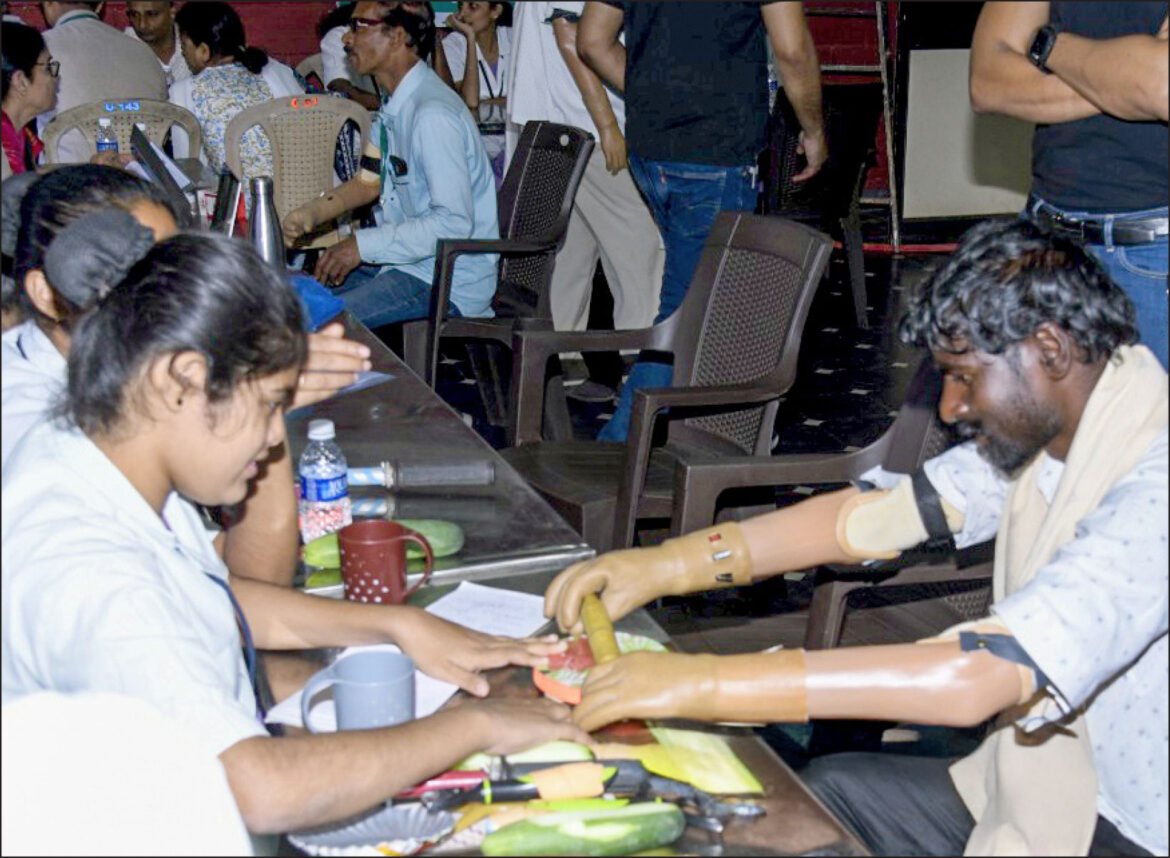
A two-day artificial limb fitment camp was hosted by RC Manipal, RID 3182, to celebrate the birthday of its senior member
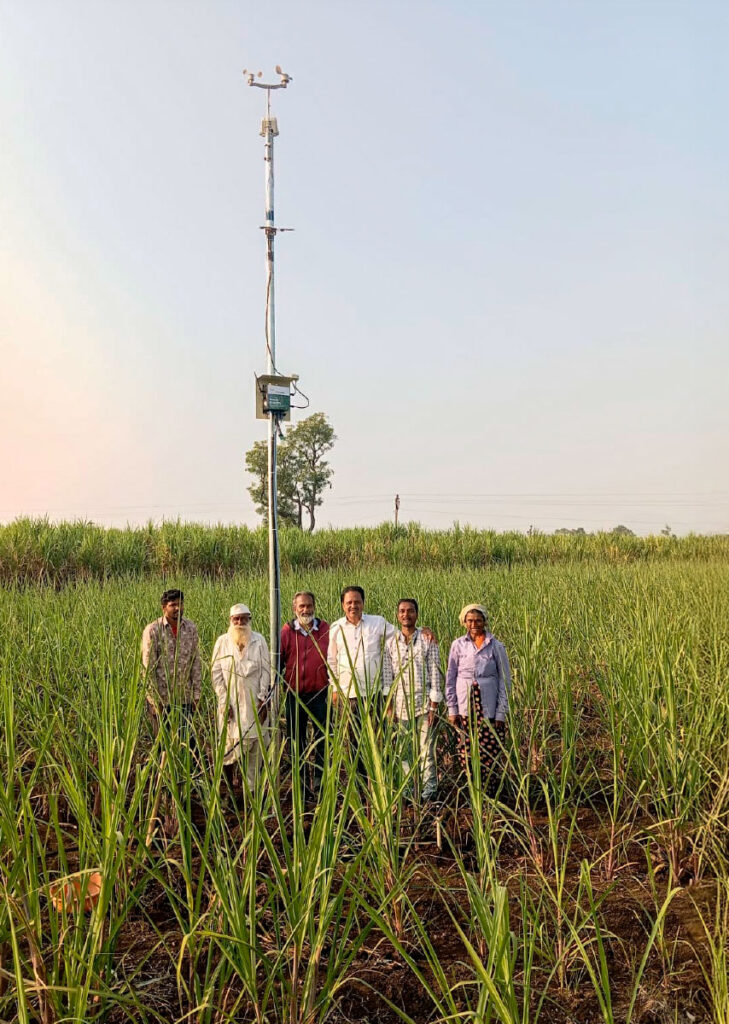
An interesting development in the area of Artificial Intelligence (AI) is proving transformative

For the last 45 years I have been a journalist. Not just any journalist, but an economic journalist. Mind, not a business journalist but an economic journalist. Someone asked me why I chose this utterly boring specialisation. I hadn’t ever thought about it. But when I did, it quickly became clear that (a) very few journalists knew economics; (b) amongst those who knew economics, very few could write English properly; and (c) amongst those who knew both, hardly any wanted to become low-paid journalists. I was thus rare as a pig with wings and newspapers gave me a job very readily. The pay wasn’t great but the editors by and large didn’t know economics which means they left me alone practically all the time. I could write on any subject. I could write ill-informed articles and, as long as the English was okay along with a modicum of economic jargon, I was the cock of the walk. Not that I wrote nonsense, of course. My father, even though not an economist, knew enough of it to keep me in line. And of course, there was the punctilious girlfriend who would criticise any loose sentence or grammar.

What really defines you and pigeon-holes you in society’s memory bank is your skin. More accurately, your colour — black, white or brown — is your most visual characteristic; it profiles you in the mental folder. Most often, your reference is not your facial features. It is the more obvious colour of your skin, and this, consciously or unconsciously, becomes your identity card. Beauty is not just skin deep. Because the skin stands for so much more…
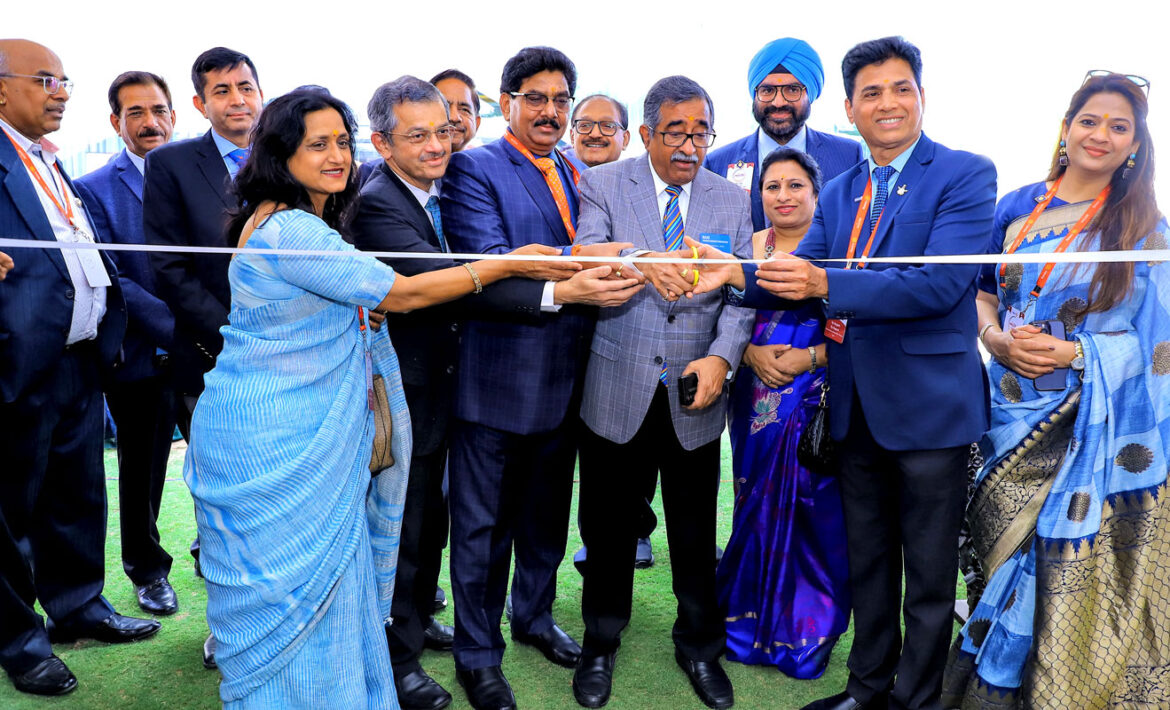
At the Disha conclave held in Jaipur for the training of incoming district governors, DGNs and the district leadership teams from Zones 4 and 7, incoming RI Director K P Nagesh, who is in charge of these zones, asked the district leaders to aim high and take TRF-giving and membership to new highs during the next two years.
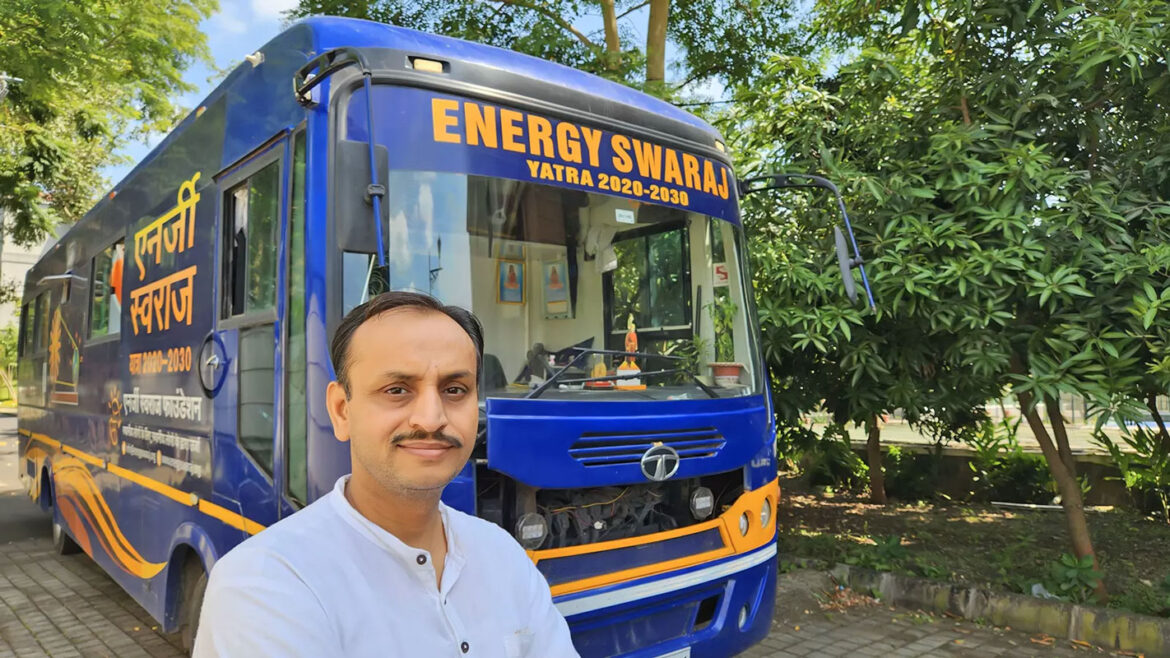
With summer upon us, keeping cool is a big concern and the subject of much discussion. For those trying to follow a sustainable lifestyle, it is much more challenging to figure out how to save the planet by consuming less energy, yet tide over the hot summer months in reasonable comfort.
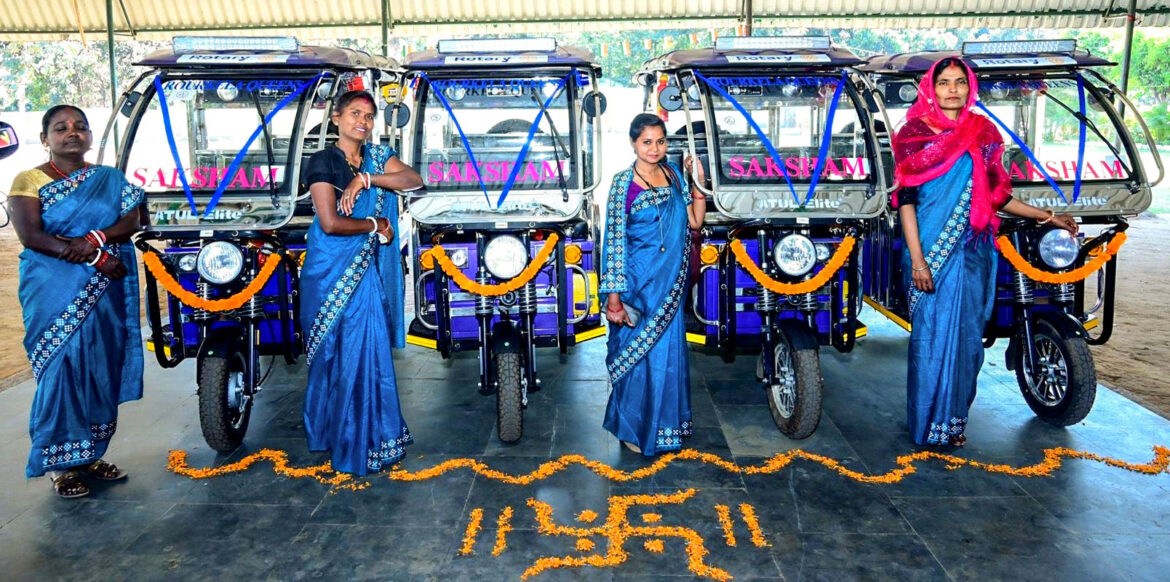
We are proud to say that we have put nine women on the driver’s seat in these two years,” smiles Kanakjeet Agarwal, secretary, RC Rourkela Queens, RID 3261.
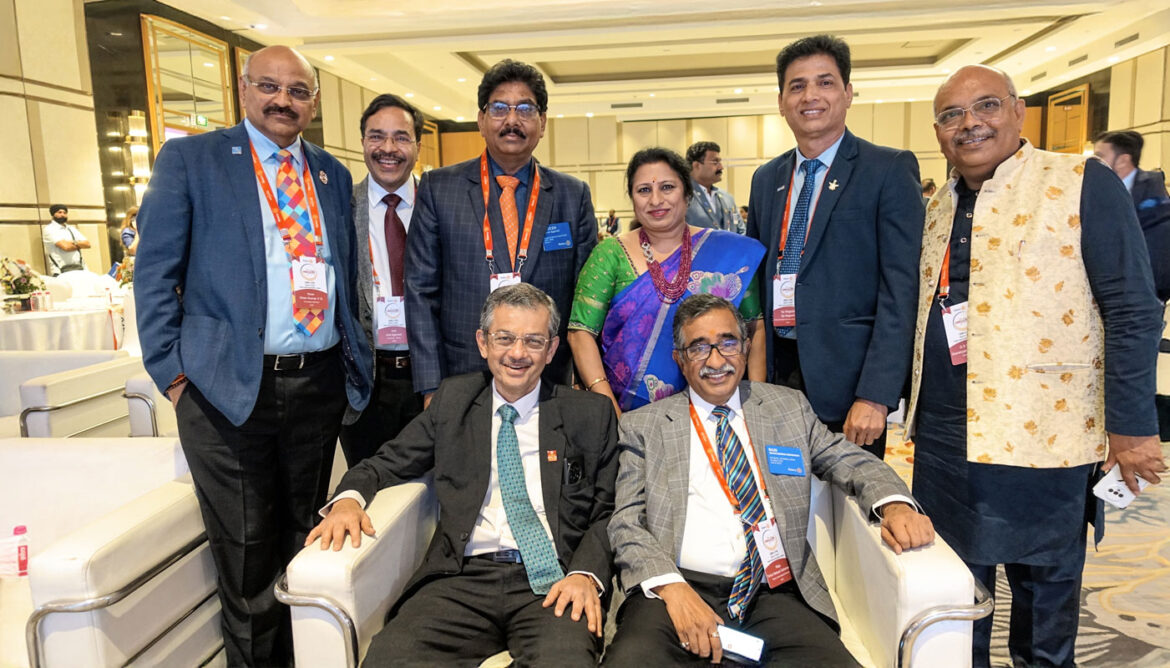
At the recent Disha conclave, a goal-setting seminar, held in Jaipur for the incoming governors of Zones 4 and 7, the one message that was given by every leader was to focus on Rotary’s membership with the central aim to attract new members, retain existing ones, increase the gender balance in Rotary in India and swell the number of Rotaractors and Interactors.

Building peace requires thoughtful, sustained efforts and meaningful partnerships,” said RI President Stephanie Urchick, speaking at the Presidential Peace Conference in Istanbul. Held from Feb 20–22, the event centred on Healing in a Divided World.
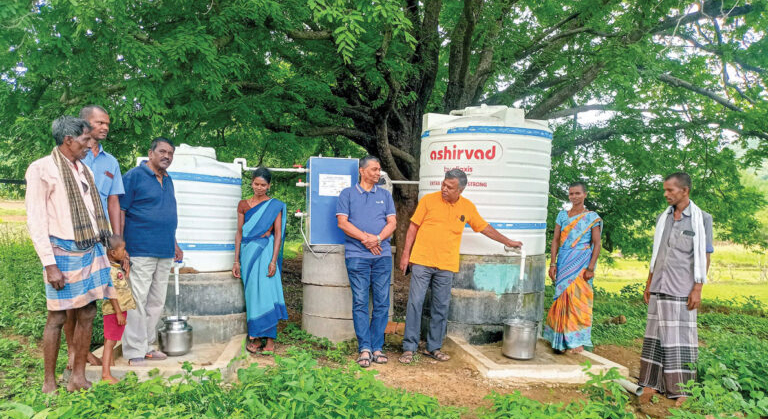
Imagine a scenario when you have to switch off all the lights and fans in your house in order to have enough voltage to run the motor to fill your overhead tank. As power supply is erratic and inadequate, even though many houses in this area do have overhead water tanks, they are rarely used. While most hamlets have power, it is only single phase. The reliability of such power is also a question mark, due to the power outages and the low voltage. And if and when power goes, which is mostly during the rainy season, it won’t be restored for days, as the terrain becomes slushy and very difficult to reach.

[downloadlink]https://rotarynewsonline.org/wp-content/uploads/2025/03/Rotary-News-Plus-March-2025-LR-1.pdf[/downloadlink] https://issuu.com/rotarynews/docs/rotary_news_plus_march_2025_lr
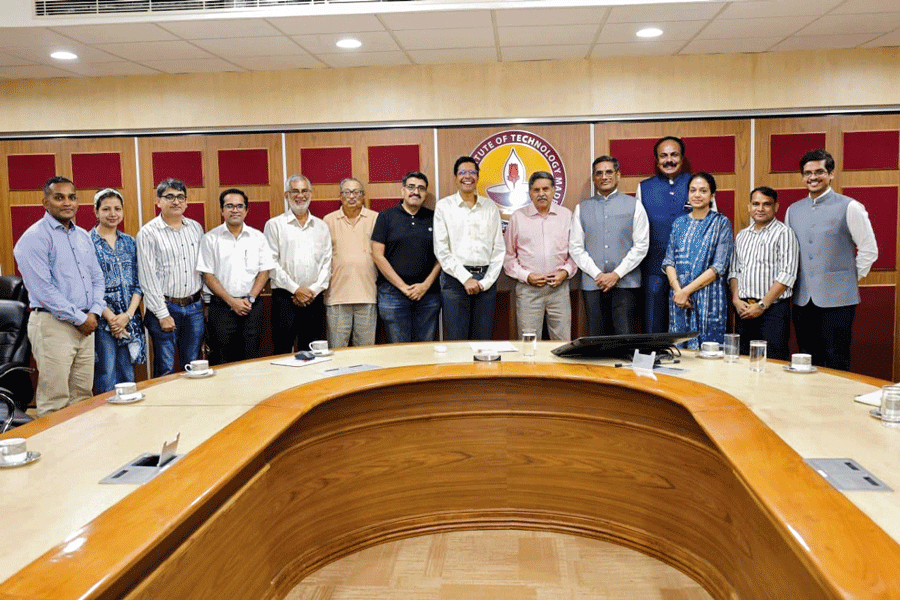
To mentor Rotary districts and clubs in design, development and implementation of humanitarian global grants and CSR India grant projects, an IITM Rotary Centre for Social Development was formed in the presence of IIT-Madras director Prof V Kamakoti.
RC Goniana, RID 3090, organised the Gift of Mobility project, providing battery-operated artificial limbs to 180 beneficiaries at the panchayati Dharmshala.

Noteworthy articles The Feb issue has some interesting articles such as RC Agra’s child protection initiatives and RID 3231 lecture…

To aid in the treatment of avoidable blindness due to diabetic retinopathy, RC Panaji Riviera, RID 3170, has donated an OCT (optical coherence tomography) machine worth Rs.43 lakh to the South Goa District Hospital, Margao, through a CSR grant from Jollyboard Ltd.
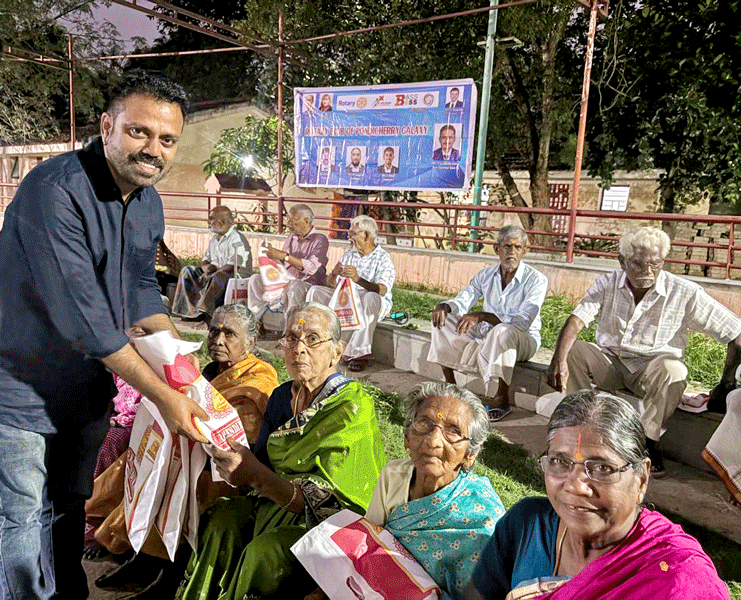
Dothies and sarees were distributed to over 100 elders at the Helpage India Old Age
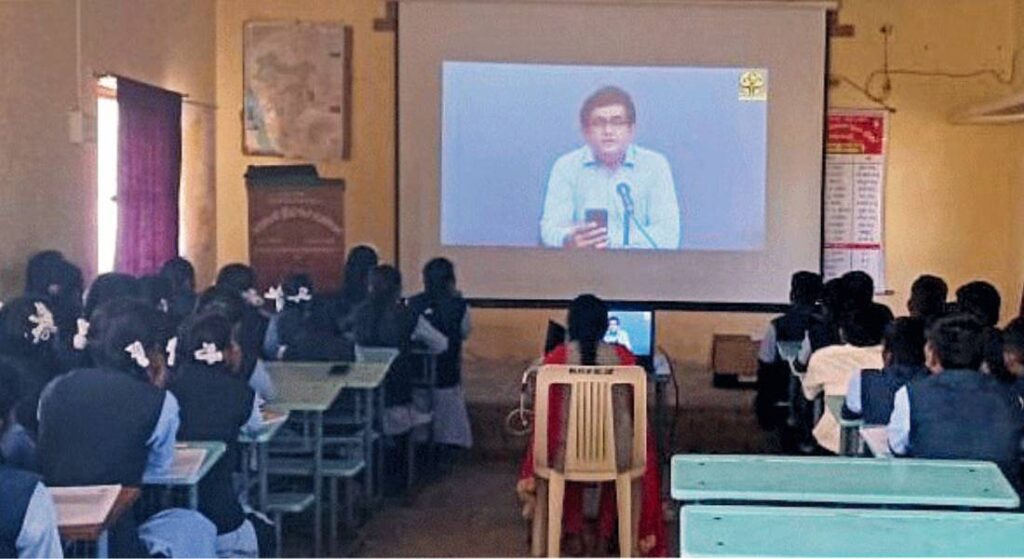
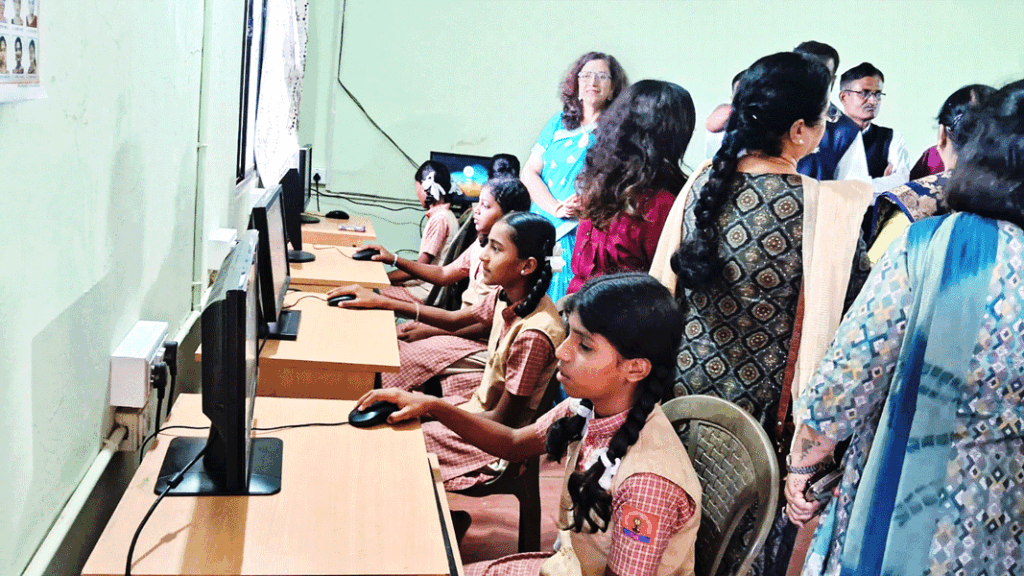
Eighteen months ago, 15 Rotarians from RC Bengaluru Harmony, RID 3191, conducted a six-month pilot programme at five Arivu Kendras, in Kalaburagi district of north Karnataka. Arivu Kendras (knowledge centres) are digital learning centres located near village panchayats in Karnataka; apart from book catalogues, they are equipped with digital screens, laptops, desktops and mobile phones with internet connectivity.