


For many who arrive at the Jaipur Mega Limb Camp in Bengaluru, “the experience begins in uncertainty. The journey is often marked by years of physical limitation, economic hardship and quiet resignation. By the time they leave, some are walking again,” says Meenakshi Sarath, president of Rotary Bangalore Peenya, RID 3192, which has been organising the initiative for nearly three decades.
Now in its 28th year, the annual camp has become a consistent intervention for those who might otherwise lack access to assistive care. Beneficiaries, largely from economically disadvantaged backgrounds, seek help for limb loss caused by accidents, congenital conditions, and diabetes-related complications. This year, the camp cost ₹1 crore, funded through multiple donations and individual contributions, and benefitted over 2,400 people.
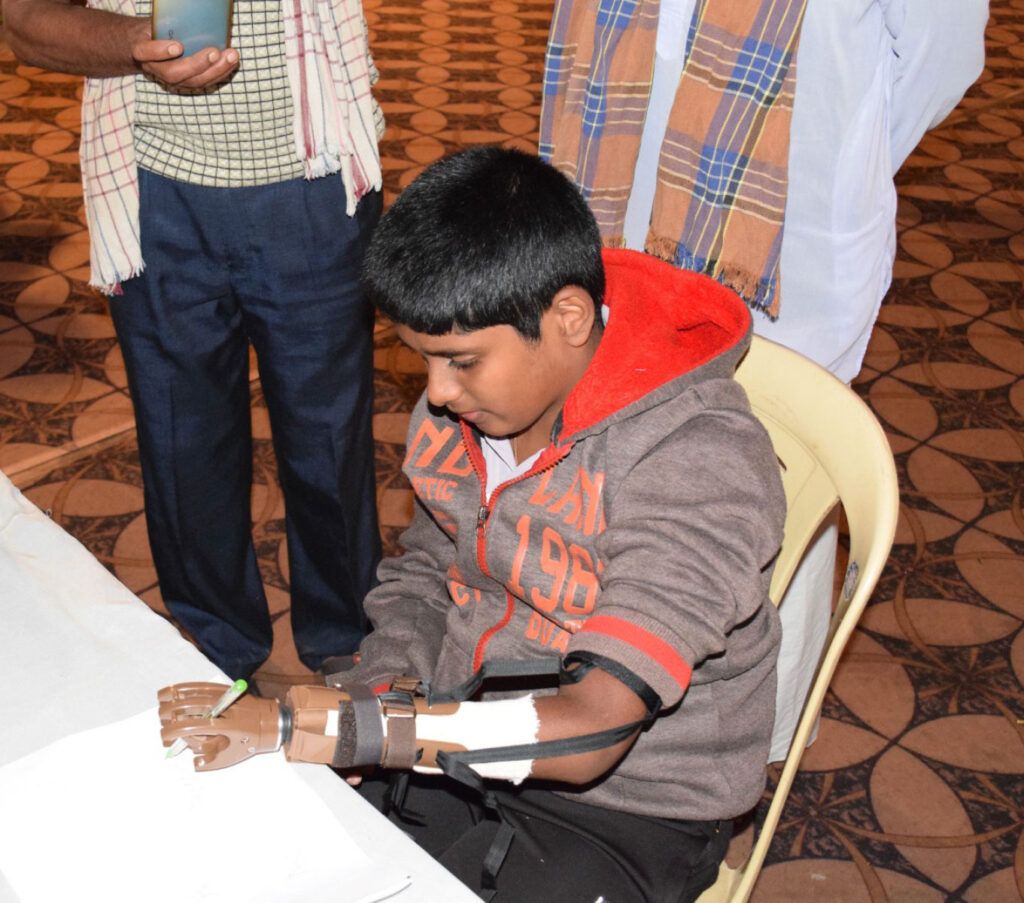
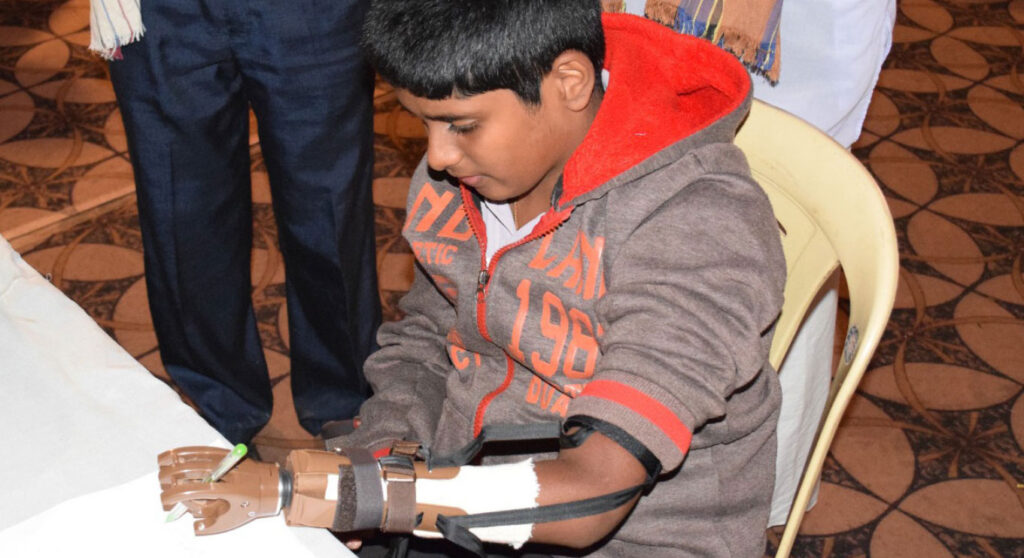
At the camp, prosthetic technicians from Jaipur work with physiotherapists and Rotary volunteers to provide artificial limbs, calipers, crutches and LN4 prosthetic hands, free of cost. “While the work is clinical, the outcomes are often deeply personal. A child standing unassisted for the first time, or a daily wage worker taking steps toward earning again, these moments stay with you. They bring us a sense of fulfilment that is hard to describe,” she says.
A child standing unassisted for the first time, or a daily wage worker taking steps toward earning again, these moments stay with you.
– Meenakshi Sarath, president, RC Bangalore Peenya
Over the years, the camp has evolved into a sustained collaboration between medical professionals, volunteers, donors and partner organisations. Project chair Gautam Chand Nahar describes it as “a deeply human experience, where the true impact lies in moments of regained mobility and dignity.”
Vasanth Kumar G, who is leading the project, says, “For beneficiaries, the change is immediate. I remember a beneficiary who had lost his limb to diabetes saying, ‘I thought my life had ended. Today, it feels like it has restarted.’ In a healthcare system where access to prosthetic support remains limited, the camp offers something simple but powerful: the ability to walk again and regain independence.”