




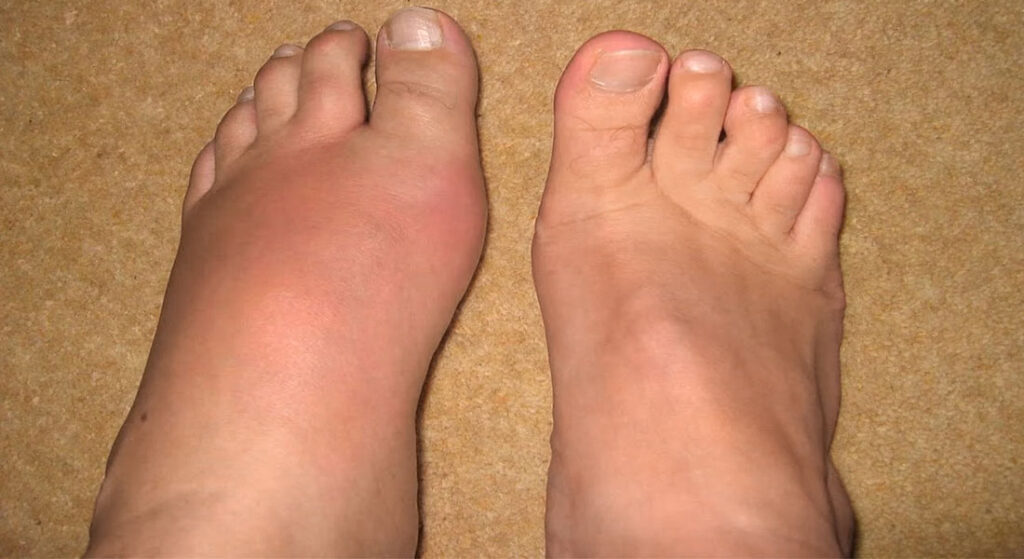
As many as 0.5–1 per cent of middle-aged men wake up in the middle of the night with agonising pain in the big toe, ankle, knee, elbow or wrist. The affected joint may be swollen, warm and red. This often causes bewilderment, as there is no fever and no preceding injury to the joint. People may try home remedies such as hot water, ice, or painkillers. Unexpectedly, the pain subsides in a day or two as suddenly as it appeared. A few weeks or months later, however, a similar incapacitating attack may occur, again at night and seemingly out of the blue.
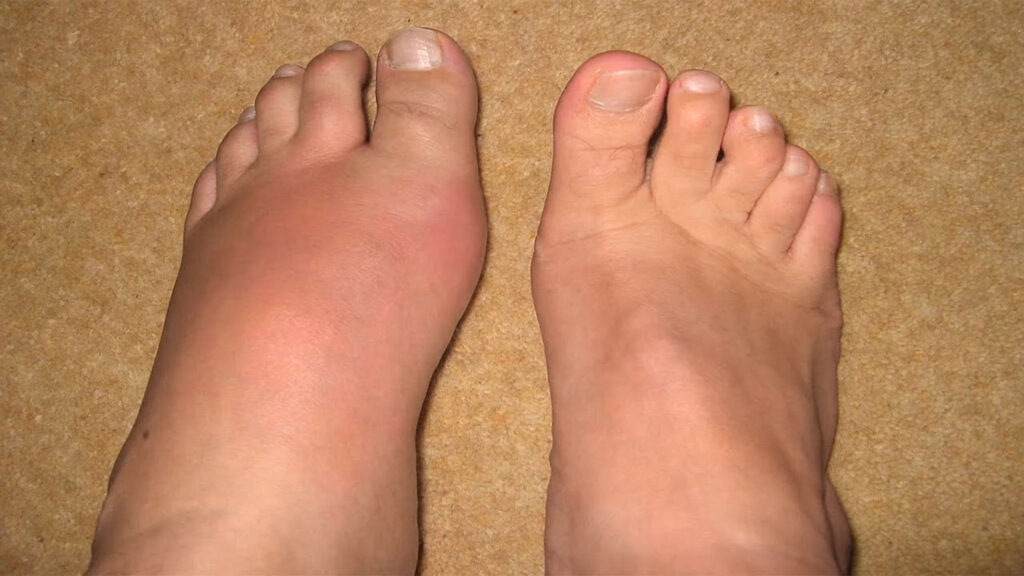
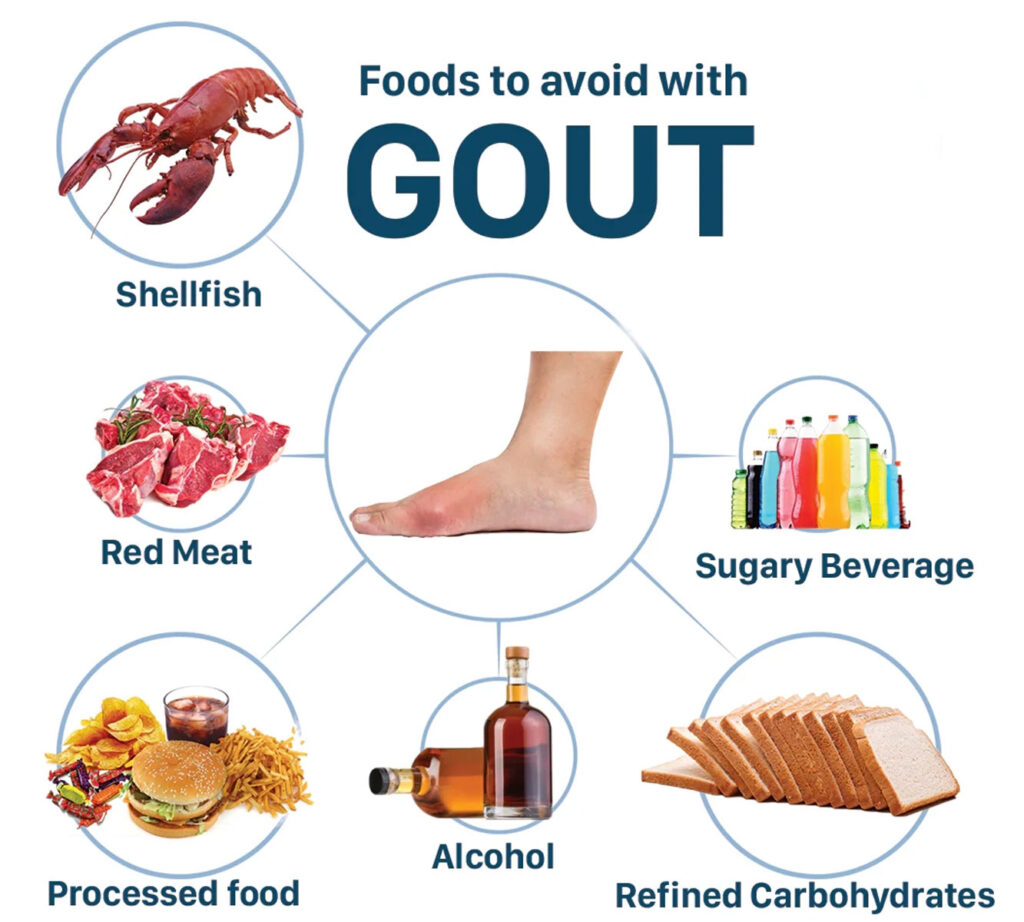
These attacks are typical of gout. It was once considered a disease of aristocracy and the wealthy, as attacks often followed overindulgence in a rich, high-protein meal (especially red meat, which has a high purine level) accompanied by alcohol. We now know that gout occurs due to elevated blood uric acid levels.
The incidence of gout is increasing worldwide, with some of the fastest rise seen in India, China and Thailand. It now affects about 0.3 per cent of the Indian population. Modern lifestyle, with abundant food, lack of exercise, and an epidemic of obesity and diabetes have contributed to this increase.
Men are more commonly affected, while women are relatively protected by their hormones, mainly oestrogen, until menopause.
Dietary excess and alcohol are not solely responsible for gout. The tendency to develop gout is largely genetic. The inheritance is polymorphic with several genes involved rather than just one. If you have a first-degree relative with gout, you have about a 30 per cent chance of developing the disease. However, whether genes are actually expressed depends greatly on lifestyle and environmental factors.
Uric acid levels may also increase even without dietary excess if there is increased cell destruction in the body. This occurs in conditions such as leukaemia and sickle cell disease. Levels may also rise as a side effect of certain medication such as diuretics, low-dose aspirin, levodopa (Parkinson’s drug), immunosuppressants, and cancer chemotherapy.
Most of the time, the kidneys efficiently filter uric acid out of the body. However, when levels rise above the normal range of about 6–7 mg/dL, the excess may begin to precipitate in the joint fluid. Uric acid crystals are sharp and needle-like. They damage joint cartilage and increase pressure within the joint. The body reacts to these crystals with redness, inflammation and severe pain.
If left untreated, attacks may become more frequent over time. The pain may persist and progress to chronic gout, leading to swollen, deformed joints. This condition may sometimes resemble osteoarthritis. Crystallised uric acid may be deposited under the skin as visible “gouty tophi,” commonly seen on the ears, fingers, or toes. These deposits provide a clue to the diagnosis. Excess uric acid may also precipitate in the kidneys to form painful stones and, in severe cases, may eventually lead to kidney damage.
Not everyone with high uric acid levels develops symptoms. Some people remain completely asymptomatic throughout life, with the high uric acid level being discovered only incidentally during routine blood tests.
If gout is suspected, the diagnosis can be confirmed by blood tests measuring uric acid levels, joint fluid aspiration to demonstrate uric acid crystals, X-rays, or, occasionally, a synovial biopsy. Similar joint pain and swelling can also occur in ‘ pseudogout’. In that condition, the crystals found in the joint fluid are calcium salts rather than uric acid.
During an acute attack, pain can usually be relieved with medication. Response to treatment varies from person to person. Some NSAIDs (non- steroidal anti-inflammatory drugs) work better in certain individuals. Drugs such as indomethacin and colchicine are often particularly effective. In severe cases, injections of steroids into the affected joint may also be required. After the acute attack subsides, medication such as allopurinol may be prescribed regularly to reduce blood uric acid levels.
Although medication remains the mainstay of treatment, simple measures may provide temporary relief. Soaking the affected joint in warm water with rock salt may help relax the tissues, and applying ice afterwards may reduce swelling.
Lifestyle modifications can also help reduce the severity and frequency of attacks.
- Maintain an ideal body weight. Although a BMI (body mass index) of about 23, calculated as weight in kilograms divided by height in meters squared, is ideal, the risk of gout rises significantly when BMI exceeds 35.
- Reduce alcohol consumption. Beer and binge drinking especially increase the likelihood of attacks.
- Increase intake of carbohydrates and reduce red meat. Vegetarians should remember that some vegetables, such as cauliflower and spinach, contain high levels of purines.
- Coffee consumption may help reduce blood uric acid levels.
- Vitamin C, either from food or supplements, can lower uric acid levels. However, taking more than 500mg daily in tablet form may cause side effects. It is safer to obtain Vitamin C naturally, for example, by squeezing half a lime into drinking water or eating fruits such as oranges and bananas.
- Drink about four litres of water a day. Adequate hydration helps flush uric acid from the body and prevents kidney stone formation.
- Fructose is commonly added as a sweetening agent in jams, condiments and fruit juices. It is a major dietary driver of gout because its metabolism in the liver increases uric acid production. High consumption of fructose-sweetened drinks, sodas and processed foods can increase the risk of gout by as much as 85 per cent.
With proper treatment and sensible lifestyle changes, gout can usually be well controlled, allowing people to lead active and pain-free lives.
The writer is a paediatrician and author of Staying Healthy in Modern India