

Cancer detection a priority
Electronics manufacture, RC Roorkee Midtown RID 3080
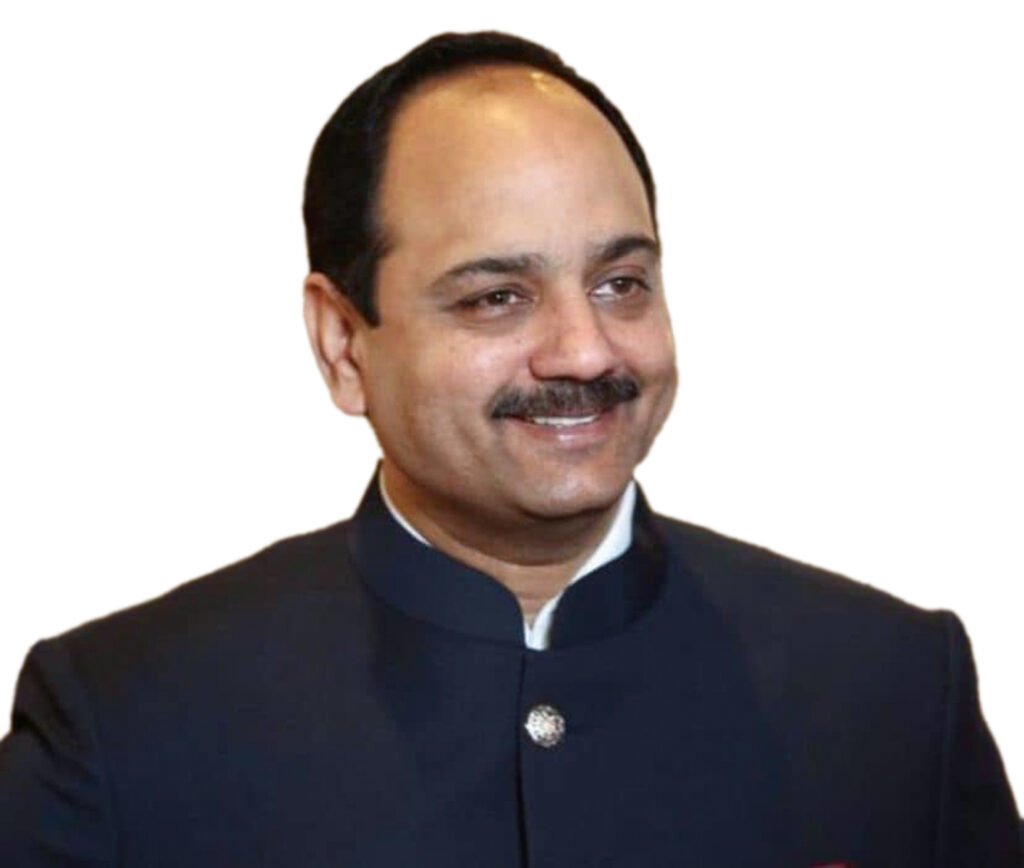
On top of his priority list is cancer awareness and detection camps, which he plans to take up from August. “First, we will hold awareness sessions, reaching out to 10,000 rural women, after which at least 40 screening camps will be held. Around 30 women will benefit from each such camp,” says Ravi Prakash. Till he procures a mammography bus (GG: ₹1 crore), it will take 4–5 months, “we will use the vehicle from our neighbouring RI district.”
From July 1, school bags will be distributed to 20,000 students of government schools in a phased manner. “I have urged club presidents to identify schools and their requirements, so that we can do 100 Happy Schools with CSR funds,” says Prakash. Around 1,000 solar streetlights will be installed at 100 villages (₹70 lakh) through a CSR grant; and each club will do 2–3 diagnostic camps.
RID 3080 has been hosting a Rotary medical mission, mostly in Africa, a brainchild of PRIP Rajendra Saboo, for the last 28 years; and a rural medical camp in either Chhattisgarh or MP. “We will hold a plastic surgery camp in Haridwar, and cleft lip surgical camp in Dehradun as a district initiative.”
His target for TRF-giving is $500,000, and around 1,000 new members and 20 new clubs will be added to the existing 4,300 members and 117 clubs. He joined Rotary in 2010, and is happy with the satisfaction that community service brings.
Gifting milch cows to farmers
The district clubs are doing a survey to identify the beneficiaries for a cow donation project in rural areas. “We will shortlist around 60 poor farmers and give milch cows to them under a GG project worth ₹35–40 lakh to improve their livelihood,” says K Palaksha.

Retd professor, RC Hassan, RID 3182
Education is close to his heart, being a former Chemistry professor. “I plan to hold career guidance workshops for over one lakh students from Class 7–9 in government schools. Eminent persons across various fields will relate their success stories to motivate the students, and share some useful tips for shaping their career.” Under a sanitation project, RO water filter units, handwash stations and proper toilet facilities will be set up at a couple of schools (GG: ₹50–60 lakh). “This sanitation initiative will benefit over 2,000 rural schools across our RI district,” he says.
All the clubs will take up a mega anti-plastic drive in which awareness sessions will be held for different stakeholders, and “each club will distribute one lakh cloth bags and drive home the message of protecting the environment.” Around 200 medical camps will be held this year. He aims to collect $300,000 for TRF. With 86 clubs and 3,700 members on July 1, Palaksha wants to add 1,000 new Rotarians and Rotaractors, and charter 7–8 new clubs. Service projects and fellowship drew him to Rotary in 2001.
Focus on Happy Schools, healthcare
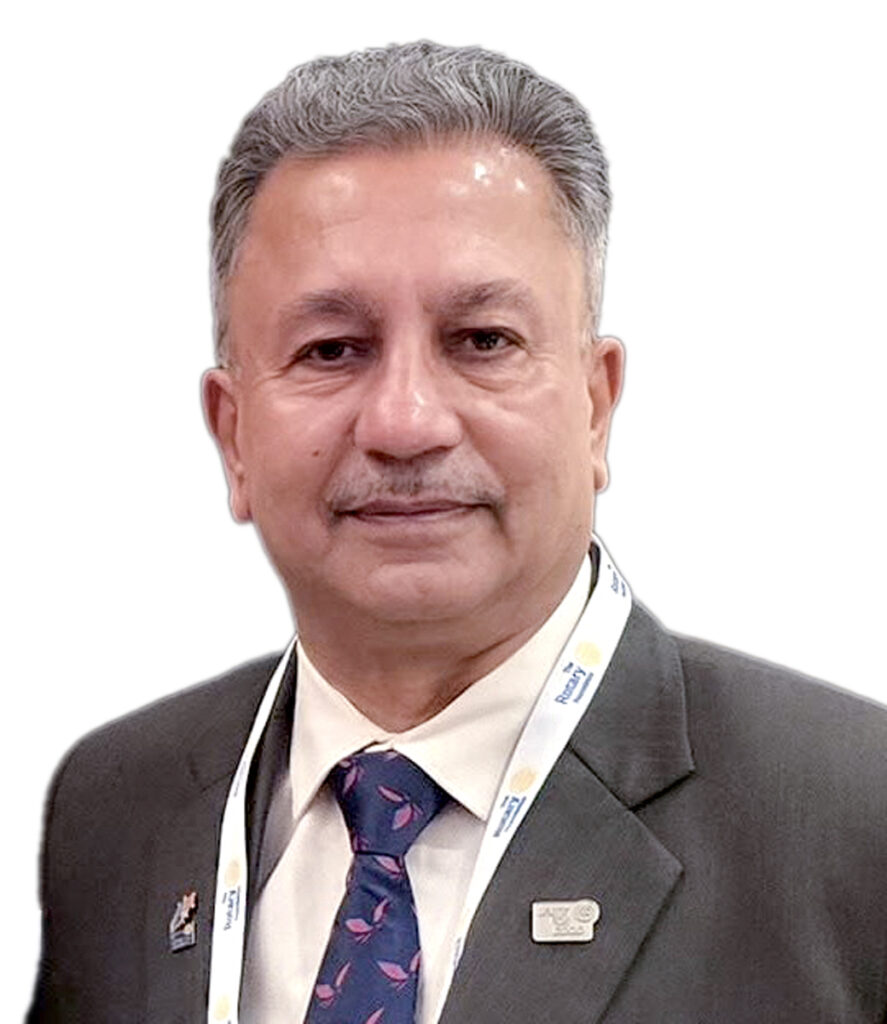
At least 20 Rotary shelters and chowks (square) will be installed to boost Rotary’s public image (each costing ₹1 lakh) in Haryana, Punjab and Rajasthan, says Bhupesh Mehta. The funding will be a mix of member contributions, CSR funds and global grant.
Agriculture, RC Sirsa Senior RID 3090
Toilet blocks will be built at a couple of government schools (GG: $100,000). During his club visits, he will gauge “the requirements of their communities, and then decide on the nature of the Happy Schools and healthcare projects.” Stating that it will take around two months to fine-tune the service projects, Mehta says, “I have set a target of 20 per cent in net membership growth, and will charter 20 new clubs in the coming months.” At present, the district has 130 clubs with around 2,700 Rotarians. His target for TRF-giving is $250,000.
Recalling his over four-decade journey in Rotary, he says that having joined as a Rotaractor in 1984, “I became a DRR in 1991, which became a turning point in my life.” He was part of a Group Study Exchange team to Sweden, an experience “that gave me a new perspective on life.”
After he returned from the GSE visit, “I was inspired by Rotary’s ideals and its youth programmes and joined this global NGO in 1991, and got fully involved in its PolioPlus campaign.” Rotary offers a great opportunity for networking, personality development through leadership training for its members “which I found most attractive,” he smiles.
Saving biodiversity
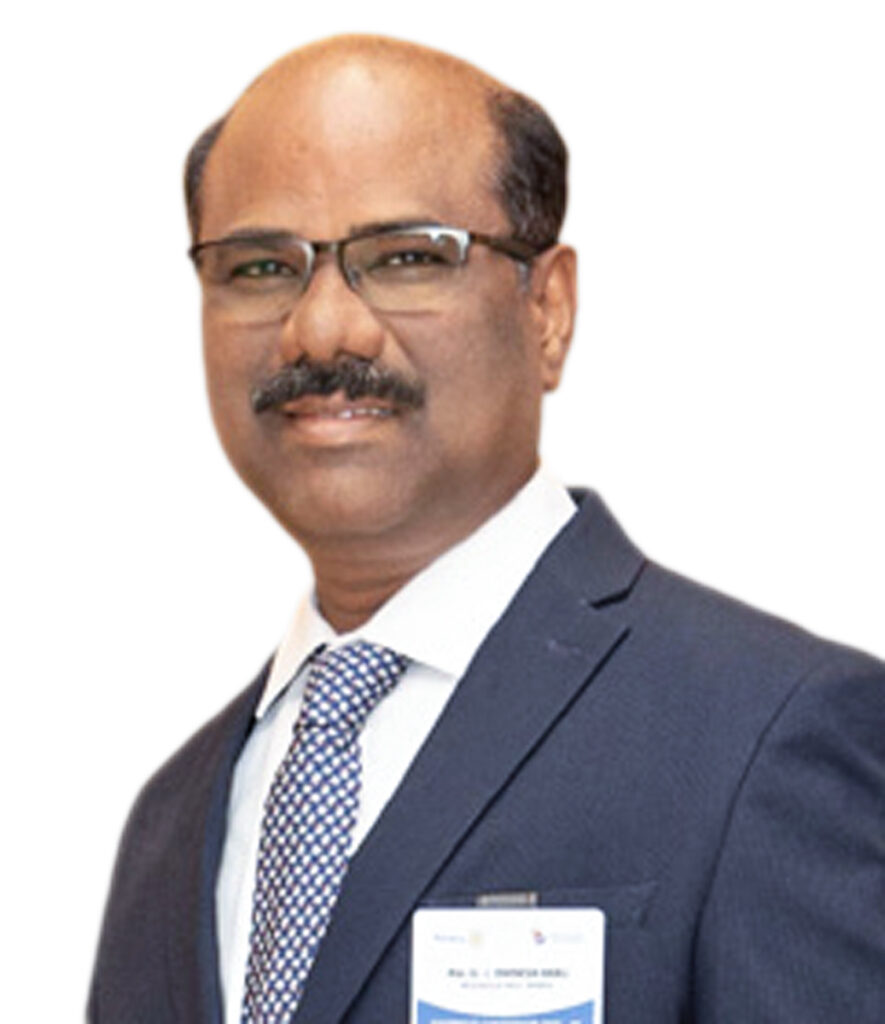
His primary focus will be on environmental projects with the district theme being Palluyir Kaapom (Save biodiversity). “We avoid single-use plastic at Rotary events like seminars and programmes over the last few years. Now, we are identifying at least 10 water bodies that need to be rejuvenated for which we will apply for a global grant,” says Dhinesh Babu. “After desilting and sprucing up, we will create an eco-park near the water bodies.”
Film exhibition, RC East Coast Ramnad RID 3212
Following positive feedback on a pilot garbage bank set up in Virudhunagar with the help of students, “we plan to install 20 such banks in partnership with schools. The idea is to spread the message of segregating non-bio waste to families through students.” On the sanitation front, he plans to set up 20 toilet blocks, along with handwash stations, at government schools through a directed gift of $60,000. Small shops will be set up for 100 differently-abled, each costing ₹1.5 lakh, to help them earn a decent income. A cardiac screening bus, launched two years ago, will examine 2,000 Rotarians and spouses this year.
With 120 clubs having 4,700 Rotarians at present, Babu wants to induct 450 new members and charter 10 new clubs. His TRF-giving target is $1 million.
His wife and elder son are Rotarians, while the younger one is an Interactor. “Fellowship and networking help me to increase membership which expands our service,” adds the DG who joined Rotary in 2000.