Pictures by Rasheeda Bhagat, Jaishree and Hemant Banswal
Pictures by Rasheeda Bhagat, Jaishree and Hemant Banswal

Until last month I was in around 15 WhatsApp groups. Then one day I quit all but six family and professional groups. The remaining members of the groups which I left were hurt, appalled, angry and puzzled. I tried to explain to them that I had left because WhatsApp had brought together on one platform people who I had spent a lifetime avoiding. It is one thing to say hello, how are you, once in about ten years and quite another to wake up each morning to find these fellows behaving as if they know everything about everything. This is true of family groups, too, but as someone said, unlike friends you can’t choose your relatives. Atal Behari Vajpayee had said the same thing about neighbours like China and Pakistan.
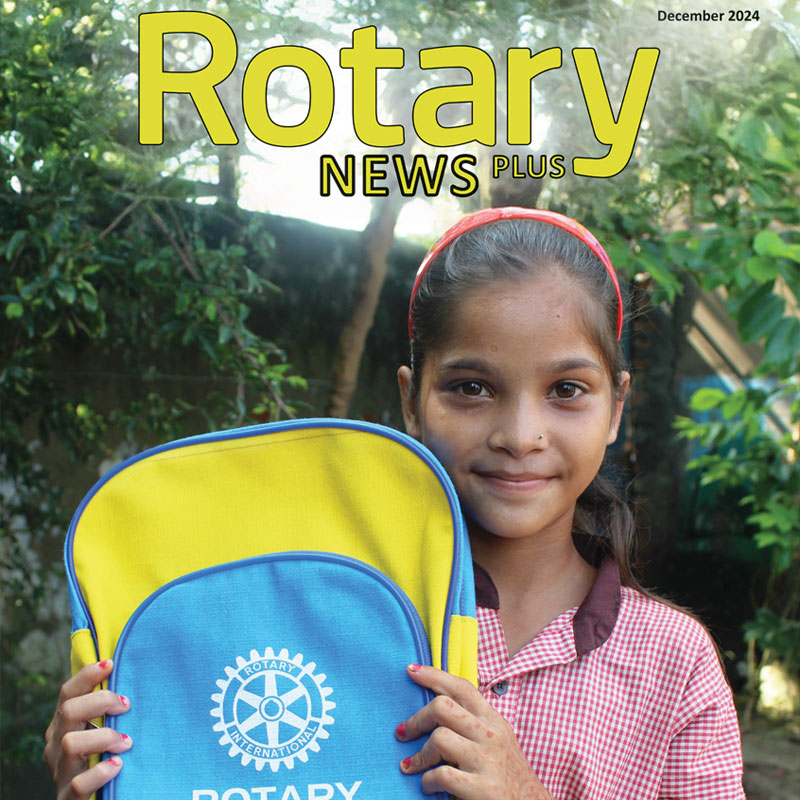
[downloadlink]https://rotarynewsonline.org/wp-content/uploads/2024/12/Rotary-News-Plus-December-2024-LR.pdf[/downloadlink] https://issuu.com/rotarynews/docs/rotary_news_plus_december_2024_lr?fr=xKAE9_zU1NQ
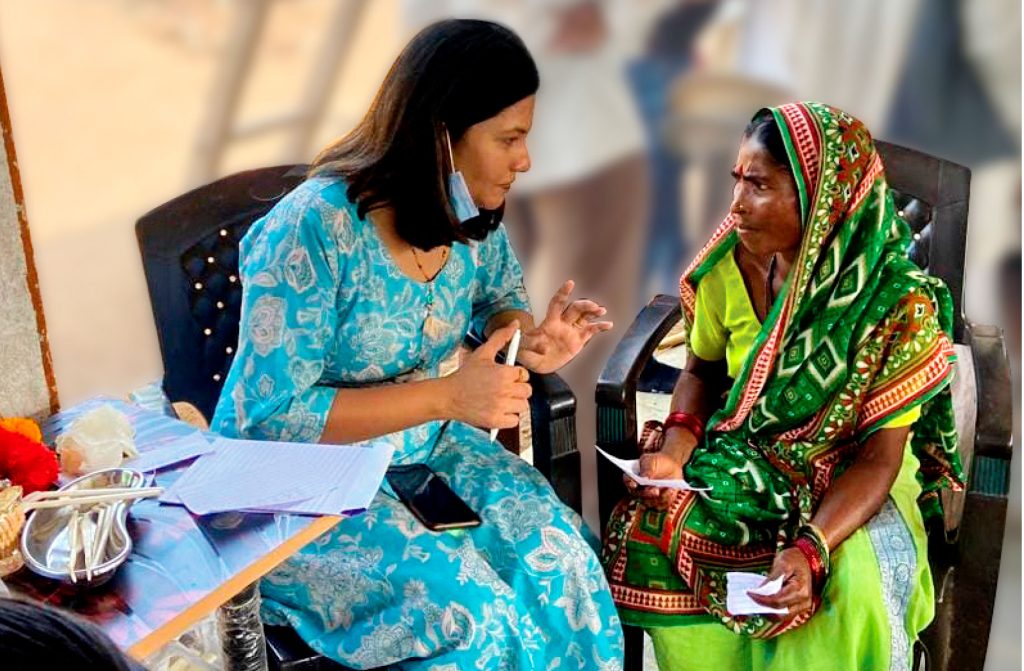
For Kumudh, a 50-year-old woman from Zari, a tribal hamlet 60km from Nashik, threading a needle was once an impossible task. “My

Samantha Cristoforetti’s journey to space began during her childhood in a tiny village in the Italian Alps, her taste for adventure whetted by
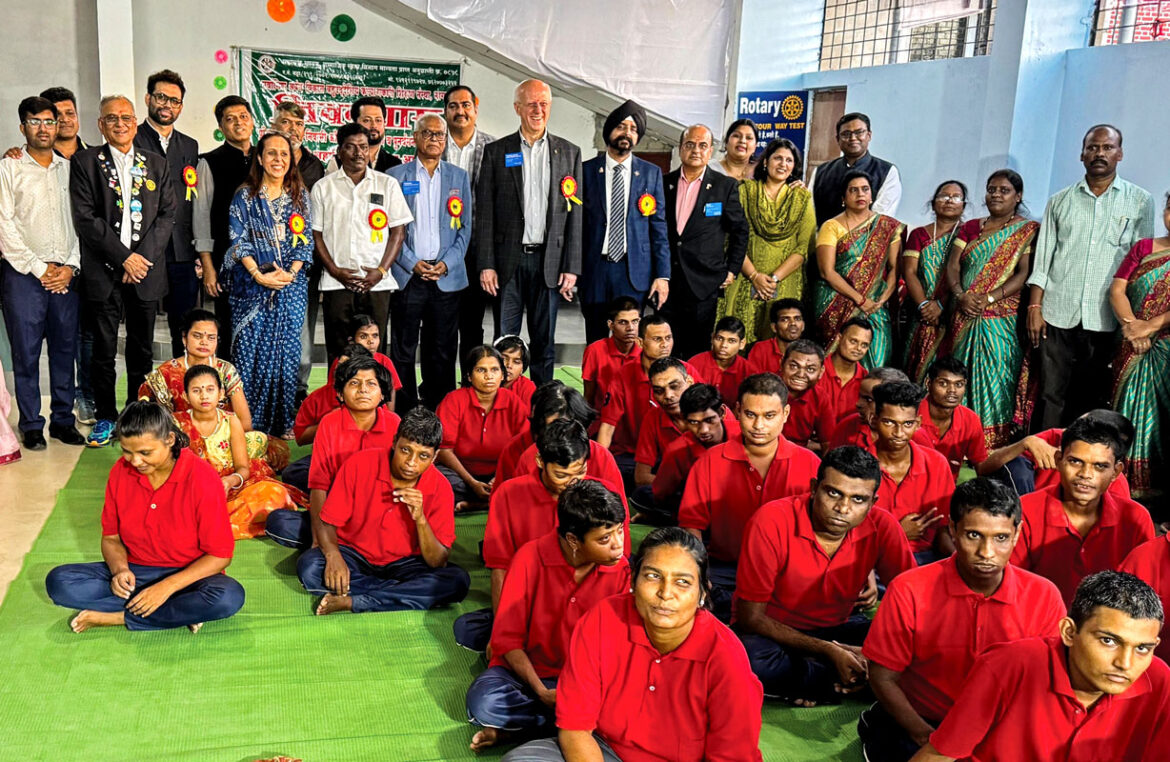
During his recent visit to India, incoming RI President Mario de Camargo inaugurated a vocational centre at a residential facility put up for special children and adults in Nagpur by RC Nagpur North, RID 3030. The cost of the vocational centre was over Rs.4 lakh.
[two_third padding=”0px 0px 0px 0px”] As I write this month’s edit and read the latest alarming update (Nov 18) about…
[downloadlink]https://wordpress-132319-5230970.cloudwaysapps.com/wp-content/uploads/2024/12/Rotary-News-December-2024-LR.pdf[/downloadlink] https://issuu.com/rotarynews/docs/rotary_news_december_2024_lr?fr=xKAE9_zU1NQ

When you’re already travelling to the Rotary International Convention, why not add on a side trip?
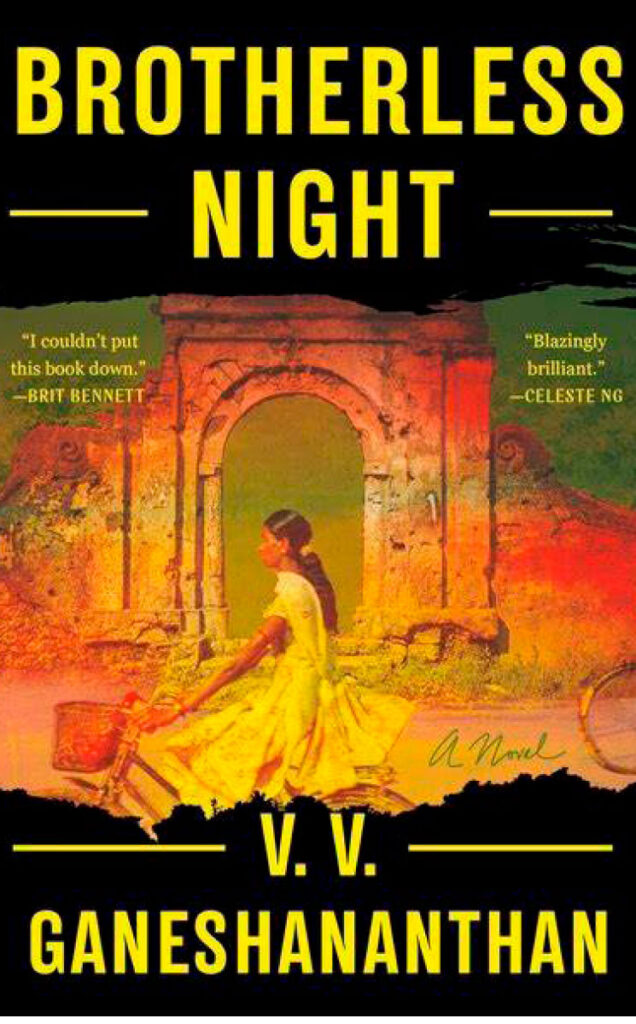
It is the early 1980s. Sashi, short for Sashikala, is almost 16 and set on becoming a doctor. She has three older brothers and one younger.
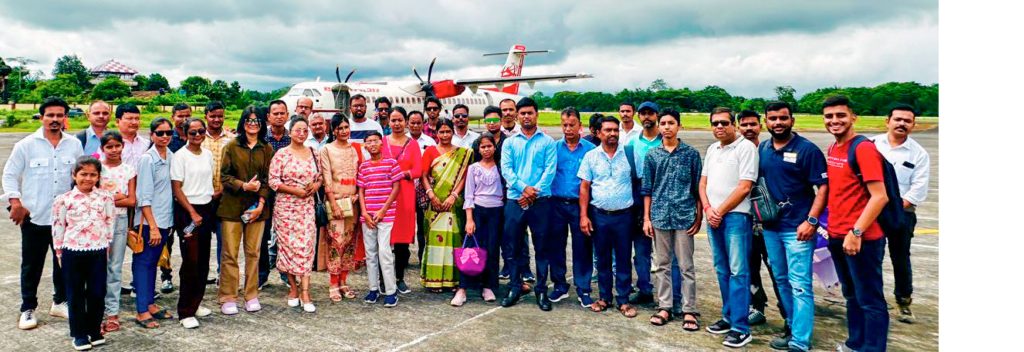
It was an unforgettable day for 40 domestic and commercial helpers as they boarded a plane for the first time in their lives,
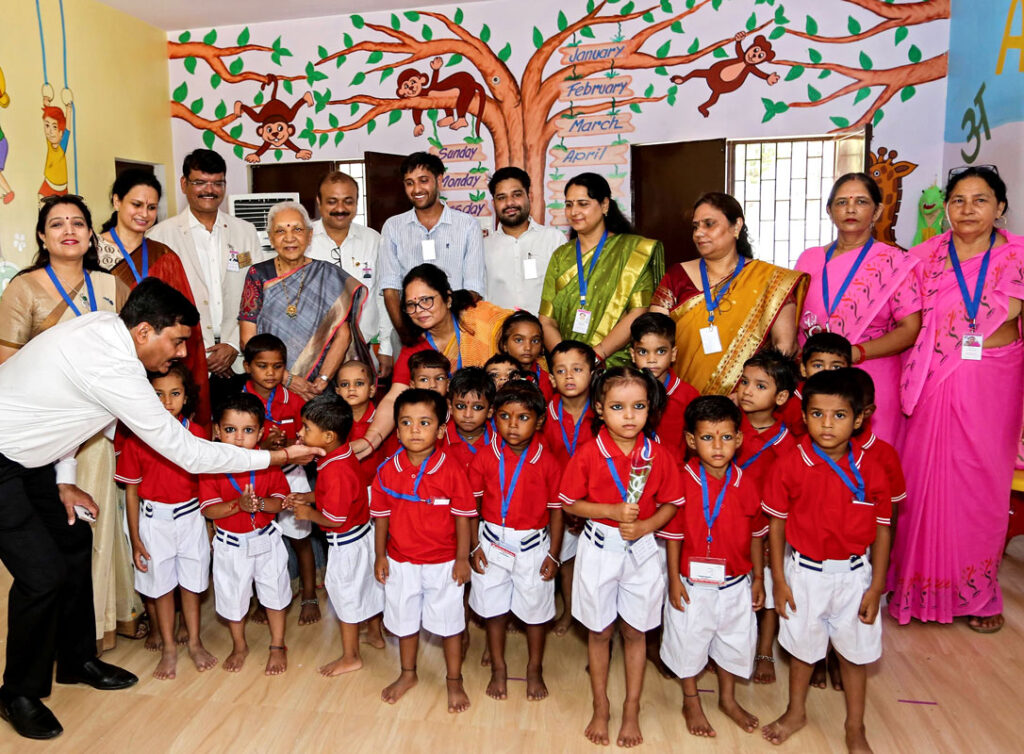
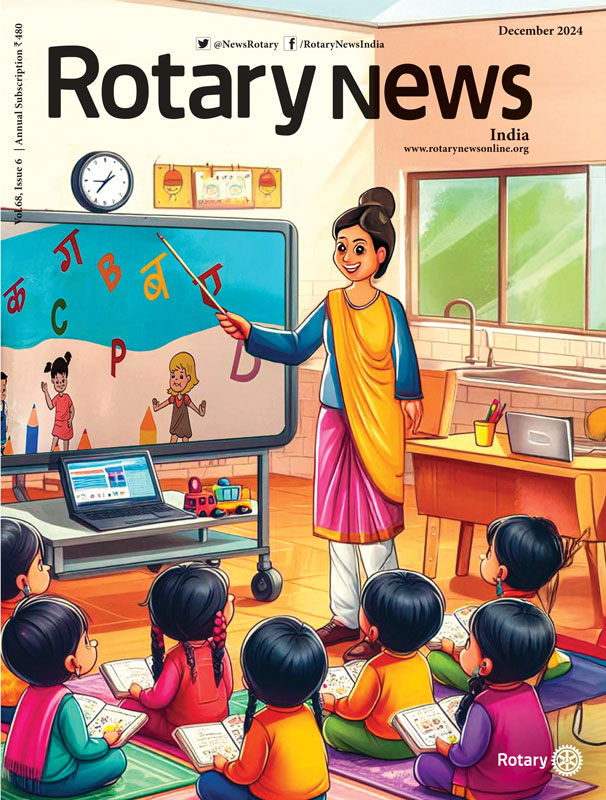
In an ambitious project to apply one of the latest technological tools — Artificial Intelligence (AI) — to revolutionise the learning methods of Indian children from underprivileged backgrounds who attend anganwadis, which are poor children’s equivalent to the plush and fun-filled playschools frequented by the rich and upper class urban Indian children, RI District 3012 has launched an interesting and futuristic project in Uttar Pradesh.
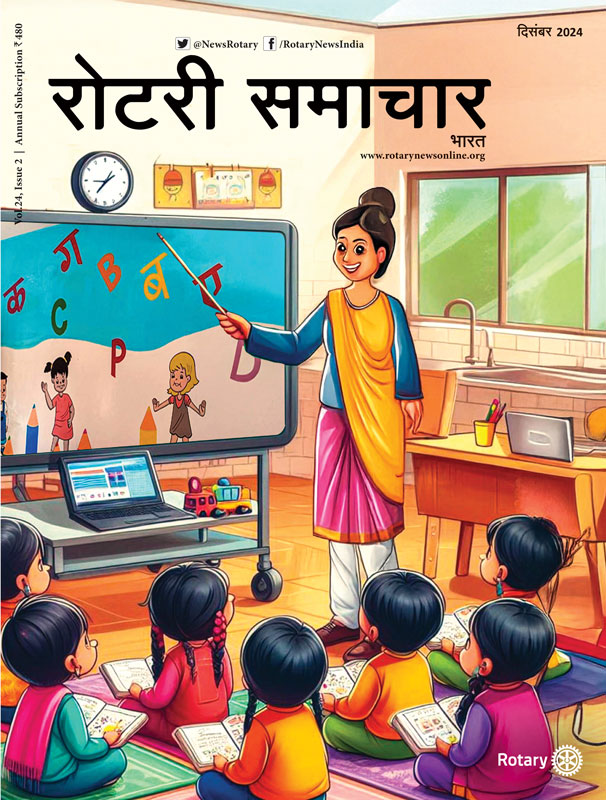
[downloadlink]https://wordpress-132319-5230970.cloudwaysapps.com/wp-content/uploads/2024/12/Rotary-Samachar-December-2024-LR.pdf[/downloadlink] https://issuu.com/rotarynews/docs/rotary_samachar_december_2024_lr?fr=xKAE9_zU1NQ
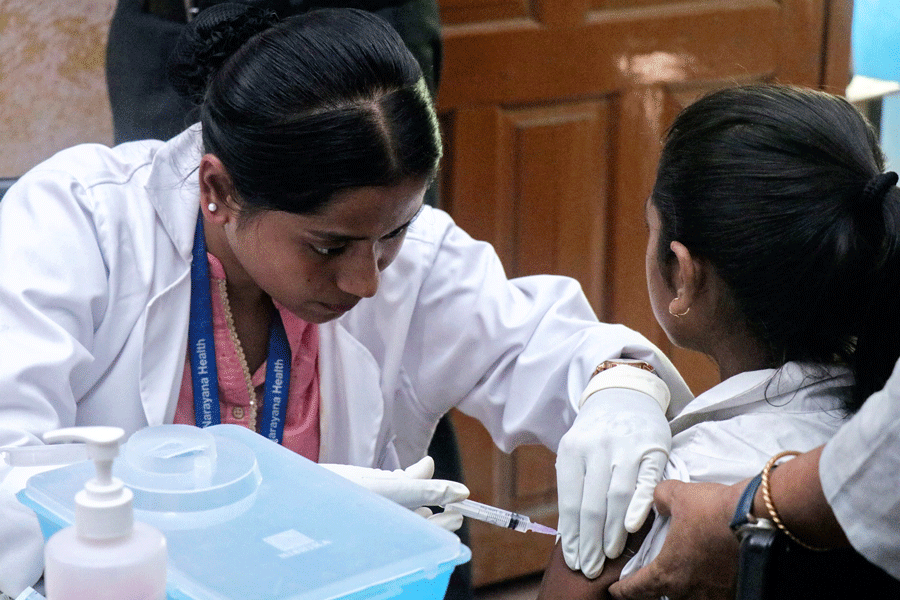
Supported by a ₹75 lakh donation from club member B D Agarwal, RC Belur, RID 3291, aims to vaccinate 5,000 girls against cervical cancer.

He joined Rotary in 1985 guided by Dr Vijay Aradhye, a Rotarian. “I was impressed by its global efforts to eradicate polio, and diverse work for needy people,” says Dr Suresh Saboo.
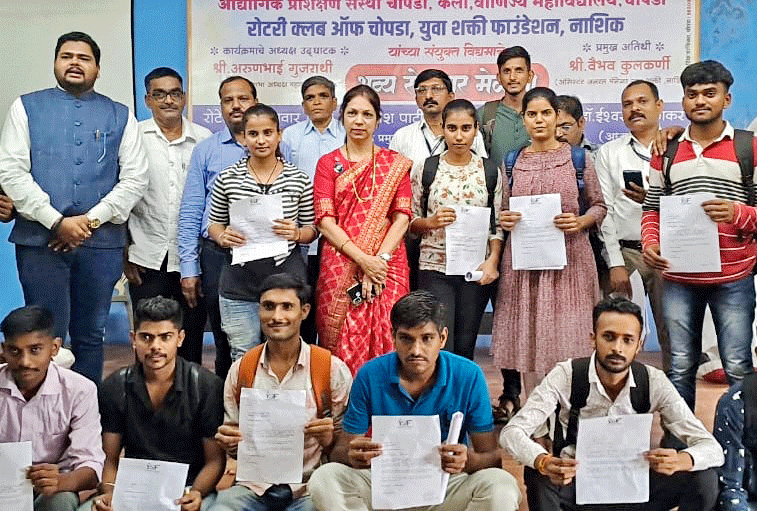
RC Chopda – RID 3030 Around 400 youngsters were offered jobs by top companies at a job fair held…

Having lived in Delhi since 1958 I have some very fond memories of it, before it started becoming a gas chamber about 40 years ago. Very few people now remember Delhi as it was before the Asian Games of 1982. Those games turned the old bucolic and bureaucratic Delhi into a boom town and it has not stopped booming since then. The fixed population of Delhi today is around three and a half crore. Another crore or so people float in and out annually. In 1980 the population was barely 70 million, mostly rural, living in the areas of Haryana and Uttar Pradesh surrounding Delhi like Gurgaon and Noida. Indira Gandhi’s farmhouse, by the way, was on the very southwest outskirts of Delhi. Today it’s south central. All those rural areas have been assimilated into a single toxic zone called the National Capital Region (NCR) and they are fully urban now. The NCR is so huge that when you fly into Delhi you can see the pollution the region causes rising up to 15,000 feet and extending some 200 miles in all directions. This is largely because in 1980 there were barely a lakh motorised vehicles. Today there are around three million.
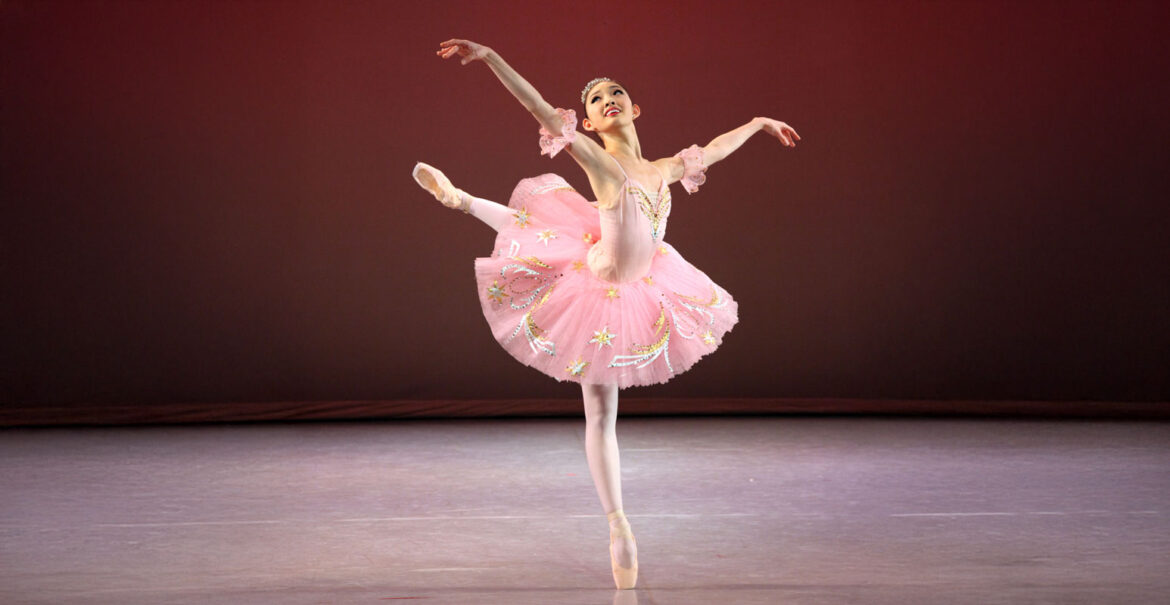
Those who don’t learn from history are condemned to repeat it. That most times we learn more from mistakes than from success is a well-known fact. Here is a unique lesson from Larsen and Toubro (L&T) which tells us that one can simply be too good for the given task.