Kites filled the sky in Gandhidham, Gujarat, as participants of the Rotary Magical Miles Car Drive, an initiative by RC Mumbai Ghatkopar West, RID 3141, raised
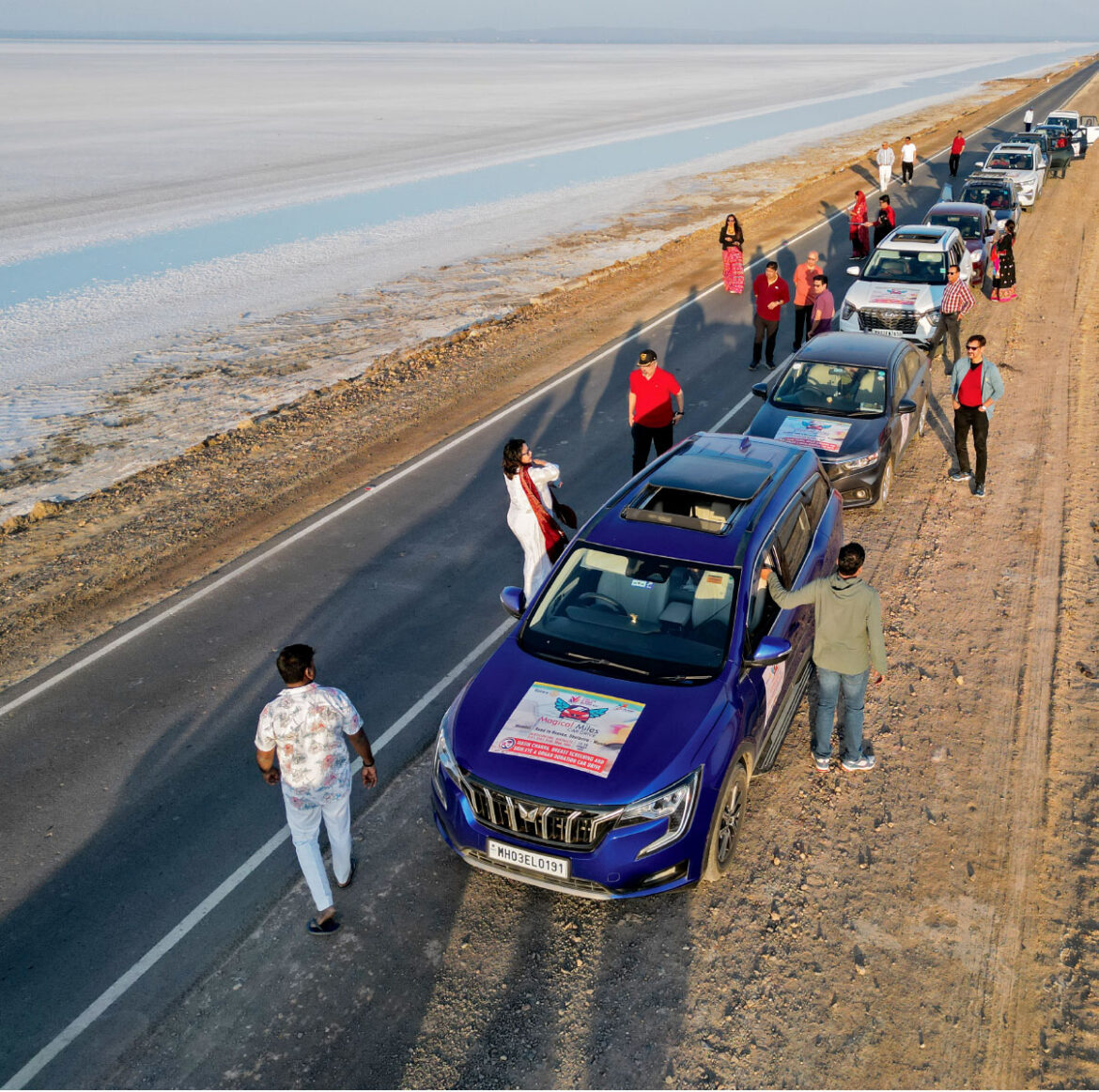

Kites filled the sky in Gandhidham, Gujarat, as participants of the Rotary Magical Miles Car Drive, an initiative by RC Mumbai Ghatkopar West, RID 3141, raised
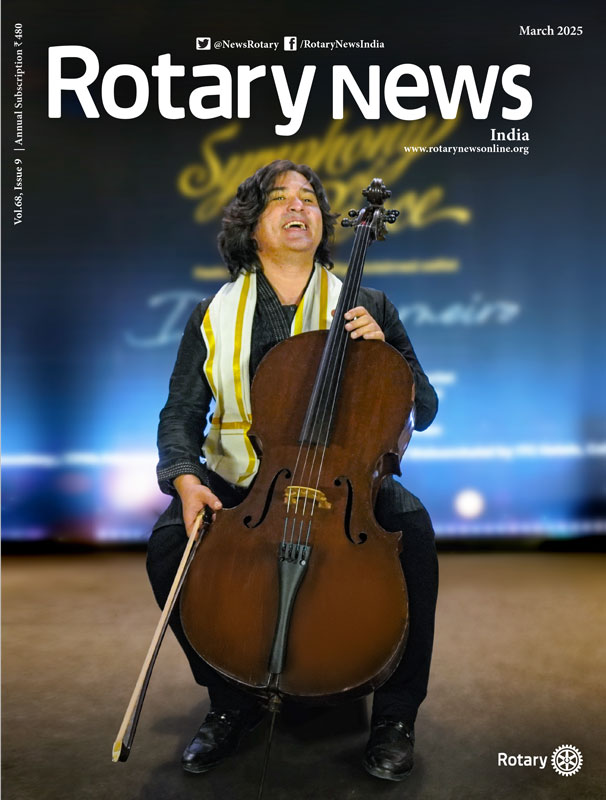
[downloadlink]https://rotarynewsonline.org/wp-content/uploads/2025/03/Rotary-News-March-2025-LR_UPDATE.pdf[/downloadlink] https://issuu.com/rotarynews/docs/rotary_news_march_2025_lr?fr=xKAE9_zU1NQ
[downloadlink]https://rotarynewsonline.org/wp-content/uploads/2025/03/Rotary-Samachar-March-2025-LR_UPDATE.pdf[/downloadlink] https://issuu.com/rotarynews/docs/rotary_samachar_march_2025_lr
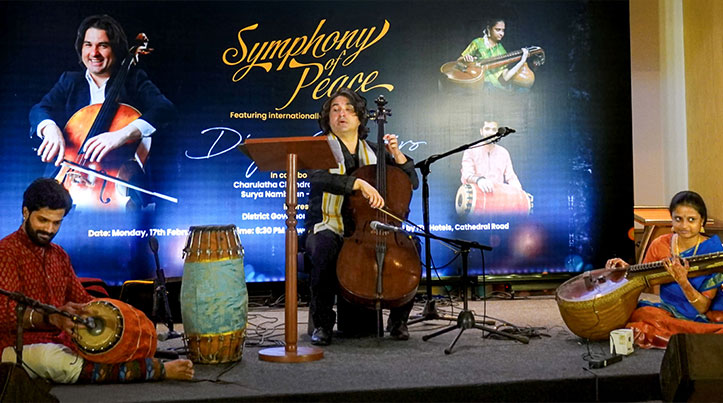
Listening to Brazilian cellist and Rotary Peace Fellow Diego Carneiro in Chennai was nothing short of mesmerising.
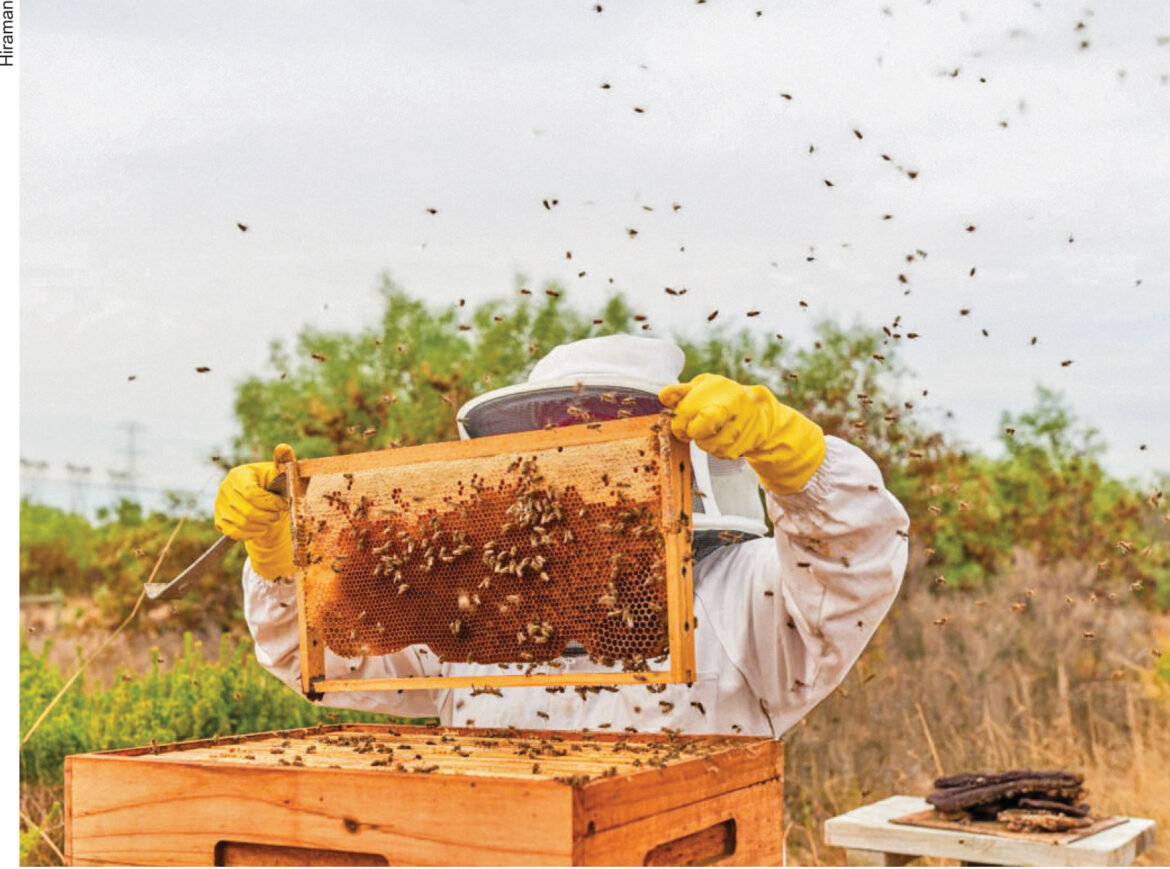
Bees know no borders,” said Rhyda M, an Interactor from Bengaluru, sharing an example of Israeli and Palestinian beekeepers collaborating through initiatives like
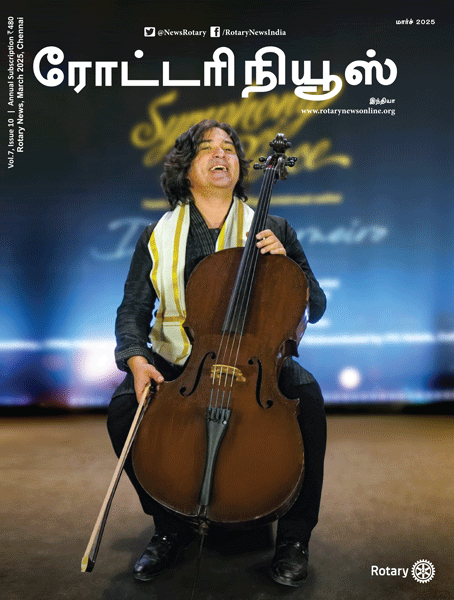
[downloadlink]https://rotarynewsonline.org/wp-content/uploads/2025/03/Rotary-News-Tamil-March-2025-Website-PDF-File-Final-2.pdf[/downloadlink] https://issuu.com/rotarynews/docs/rotary_news_tamil_-_march_2025_website_pdf_file
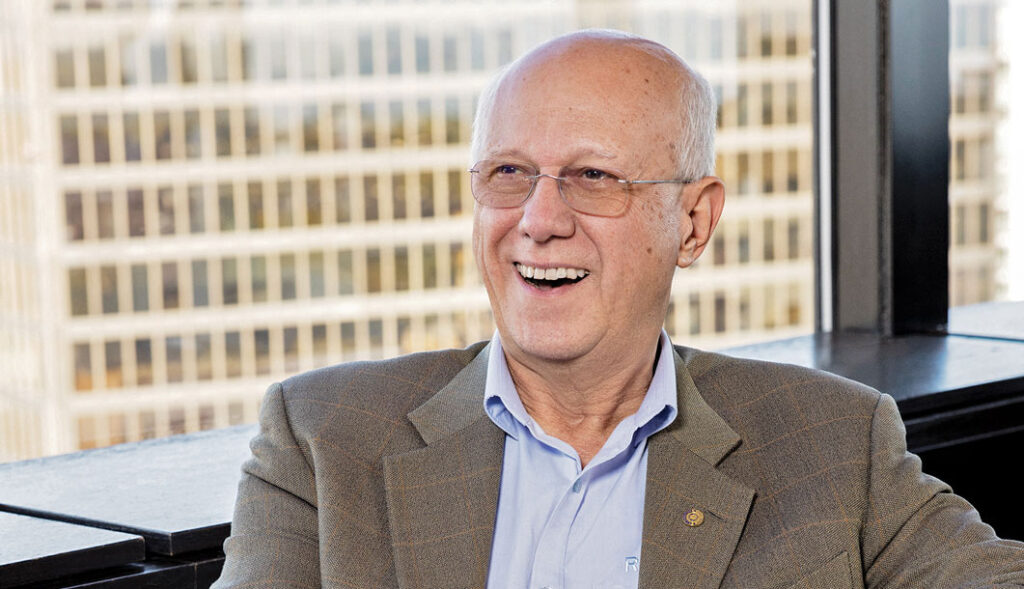
After a day of interviews with the committee vetting candidates for 2025–26 Rotary International president, Mario Cesar Martins de Camargo returned to his hotel and waited. And waited. “It’s an elimination process,” he says. “The anxiety level reaches sky high.” When he got a call asking him to return to Rotary headquarters in Evanston, his first thought was that he’d made some sort of mistake. As he walked the few blocks to the building, he mentally reviewed everything he’d said. When he finally realised why he’d been called back, it was an emotional moment, he says. “The nominating committee stands up and applauds you, and you are invited to say your first words as president. Mine were, ‘Are you guys sure?’”

RI President Nominee Sangkoo Yun feels that Rotary needs to forge
The Duke UNC Rotary Peace Center, one of the eight Peace
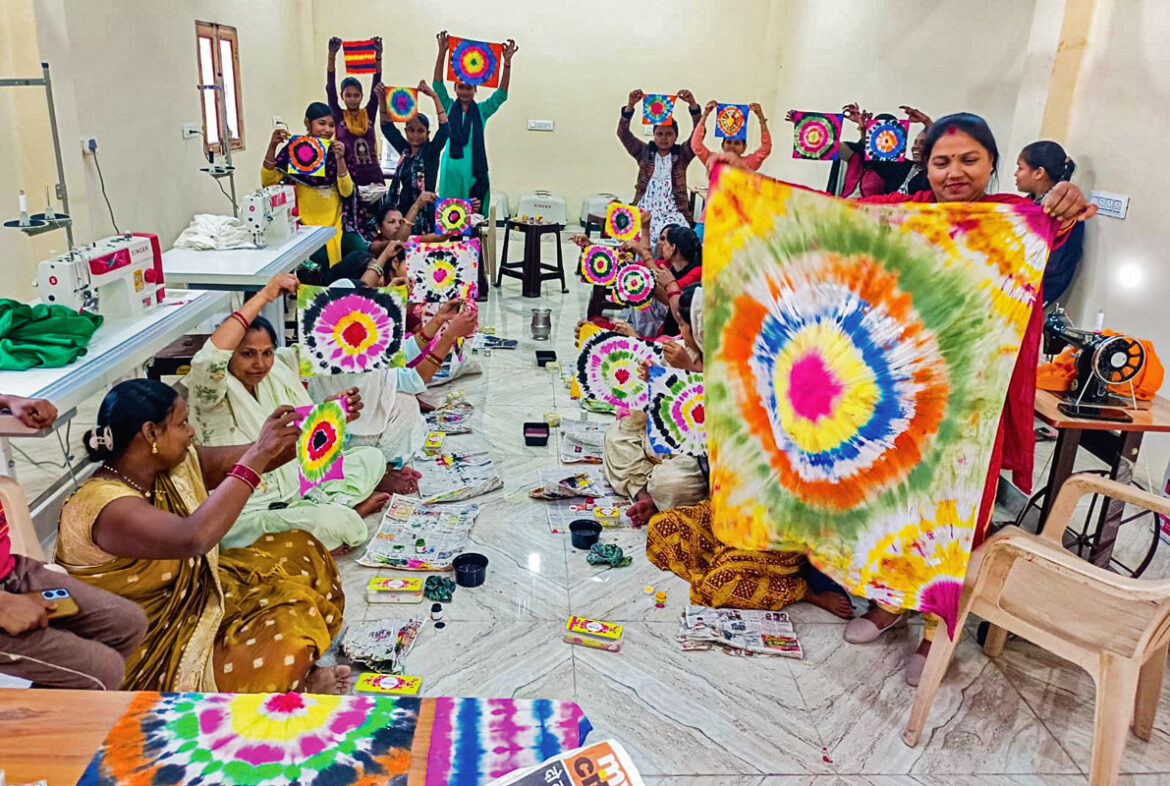
The Shri Govind Hari Singhania Skill Development Centre in
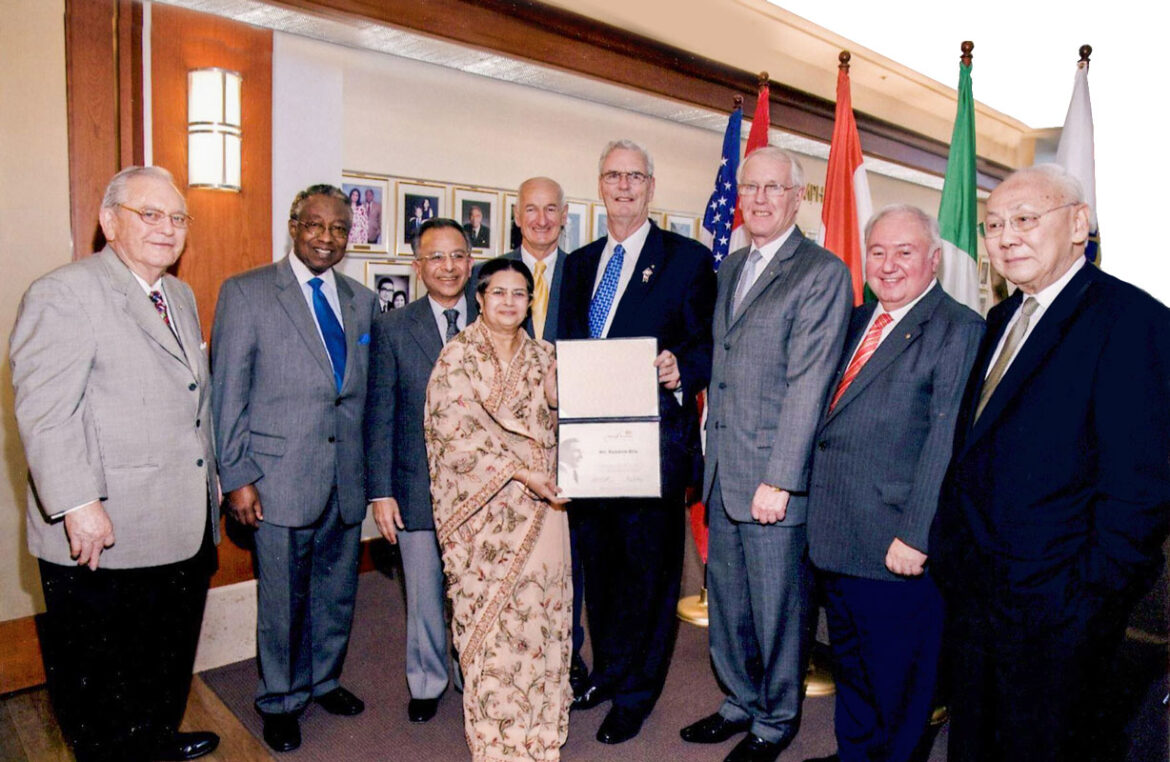
As Rotary lost one of its illustrious past presidents Bill Boyd, two of his friends in the Rotary fraternity – past presidents Rajendra Saboo and KR Ravindran, remember the man, the leader, his legacy and of the warm moments spent with him.

Last month, while looking for something on a high shelf, a carton fell on my foot. Fortunately it wasn’t very heavy. When I looked inside I found half a dozen photo albums. We had forgotten about them entirely. Much excitement ensued as we flipped through the photographs, a few of which were from the late 1940s. Some of the people in those photos are dressed in European clothes, hats and sticks including. Others are in Indian clothes, sherwanis, churidars and all. The ladies are all in saris. Some of those photos were taken in large halls that had animal heads on the wall. I am pretty certain that the photos weren’t taken at our house. My father was a civil servant and never lived in such a big house and there was no question of animal heads on walls.
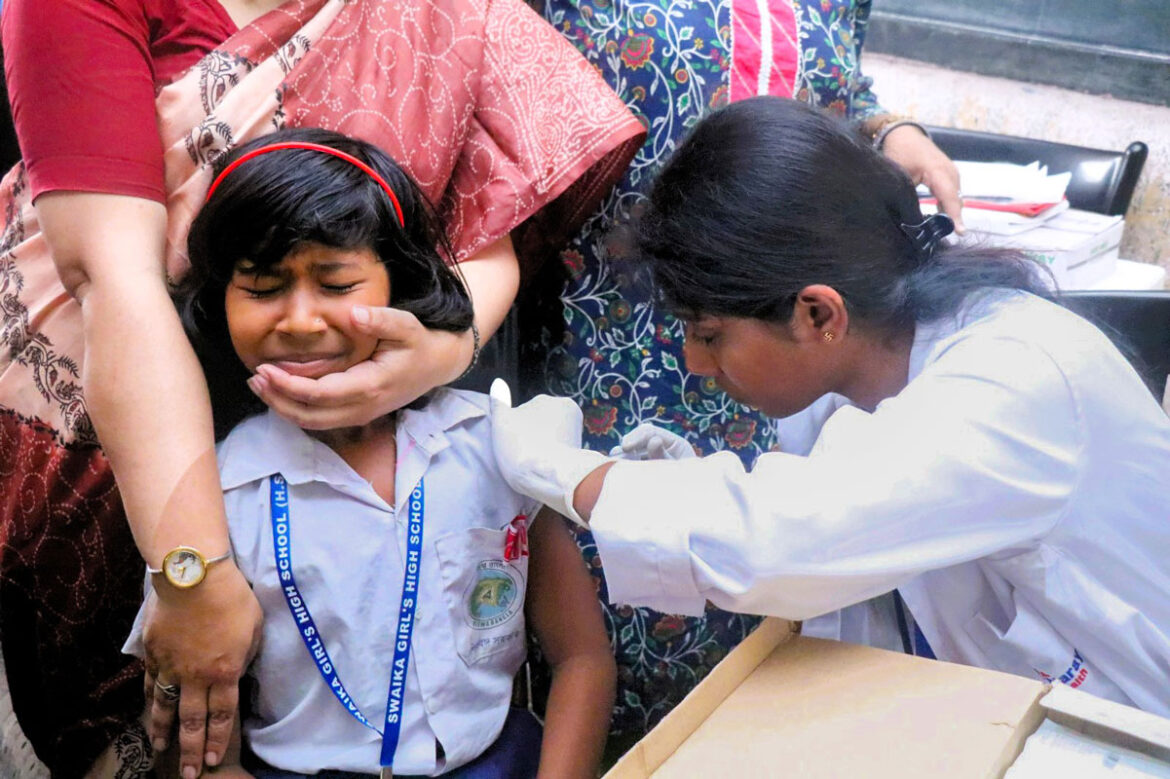
One Rotarian in Kolkata losing his wife to cancer some 15 years ago has resulted in an impressive programme to vaccinate a few thousand girls against cervical cancer in West Bengal. In an initiative powered by the Rotary Club of Belur, West Bengal, RI District 3291. And supported by some other clubs in the Howrah region, Rotarians are reaching out to protect school girls from the scourge of cervical cancer.

The world is too plastic-dependent to expect a complete ban on the mouldable ‘wonder’ polymer. Indeed, any government would think twice before making such a rash decision. This is because plastic has varied uses, including in medical devices, automobile spare parts, plumbing, sewage systems, packaging, construction material, furniture, toys, shopping bags, clothes, cosmetics and much more. And since a cheaper and viable alternative is not yet on the horizon, annual global plastic production is estimated to reach 1.3 billion tonnes by 2060. However, a serious effort is being made to cut its consumption.
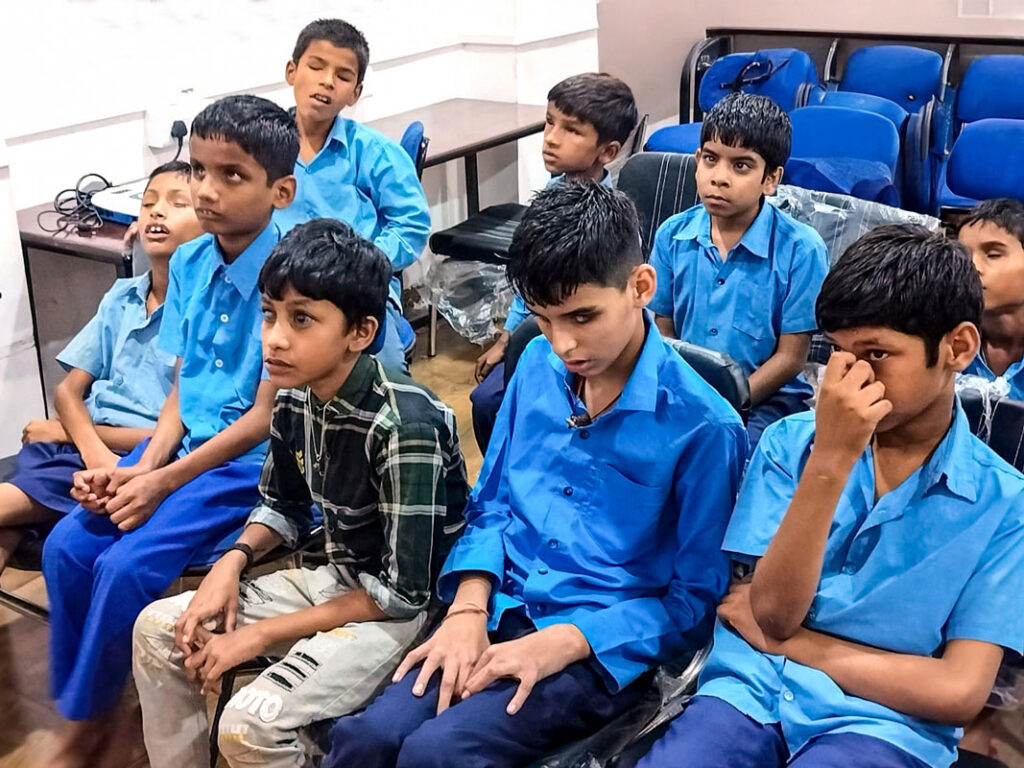
The biggest reward for the members of the Rotary Club of

Nearly 50 per cent of the Rotary clubs in his district are in smaller townships
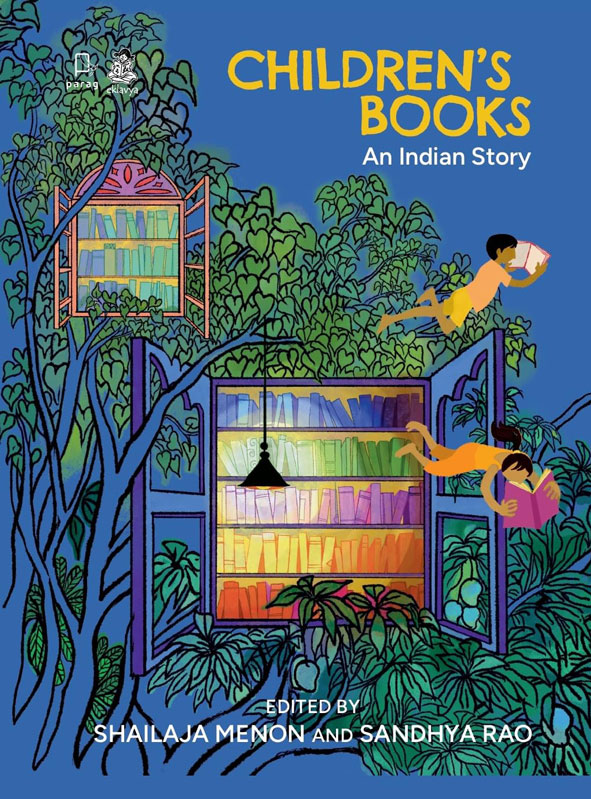
Children’s Books: An Indian Story is a treasure for those interested in Indian literature, whether total immersion or a toehold; whether writers, readers, teachers, editors or publishers. It’s an erudite perspective on aspects of our kidlit (children’s literature), which is attracting more and more attention because of its interesting history, our super-multi-cultural people and layered social issues. An awesome task, achieved with excellence by two doyens in this arena, Shailaja Menon and Sandhya Rao. The range and breadth of the subject require minds that are both learned and creative, both characteristics of Shailaja and Sandhya’s characters and works.
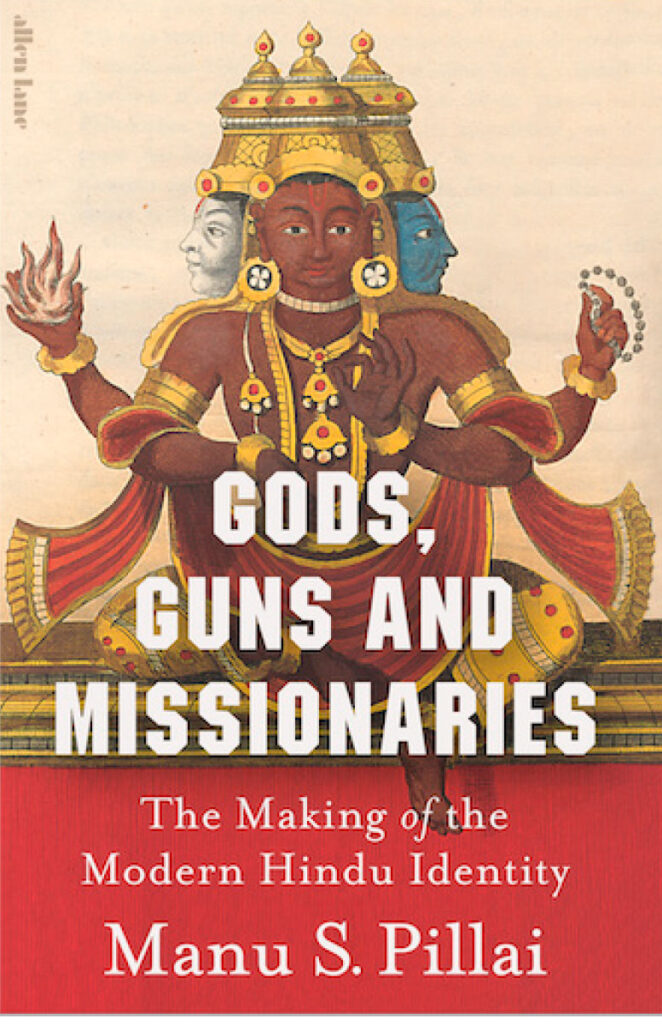
There’s a buzz every time the Jaipur LitFest comes along, and this time there was a bigger buzz thanks to the presence of Rishi Sunak who appears to carry quite
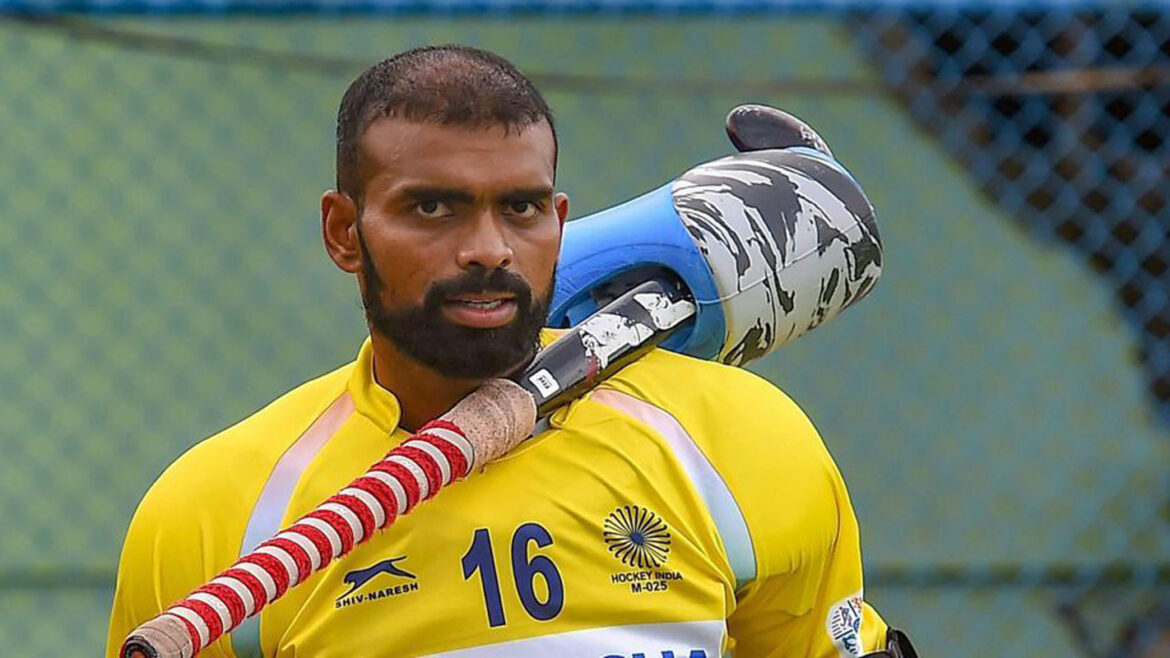
Two Rotarians of RI District 3201, Kerala – Dr Jose Chacko Periappuram of RC Cochin Global and P R Sreejesh of RC Kizhakkambalam received Padma Bhushan Award from the President of India Droupadi Murmu this January.
