




Your e-waste can bridge an important gap and become a national asset.
With geopolitics and tariffs impacting global supply chains, self-sufficiency has become the buzzword all over the world. Among the most discussed raw materials in India are rare minerals critical to our growth. These include lithium, cobalt, nickel, rare earth elements, copper and graphite. All these are essential for wind turbines, solar panels, batteries, electric vehicles and producing low-carbon technologies.
These minerals are considered rare because they are only found in specific geographical regions, such as China and parts of Africa. While India has started to mine for these minerals, experts believe that a significant contribution towards self-sufficiency can be achieved by recovering these minerals from our e-waste.
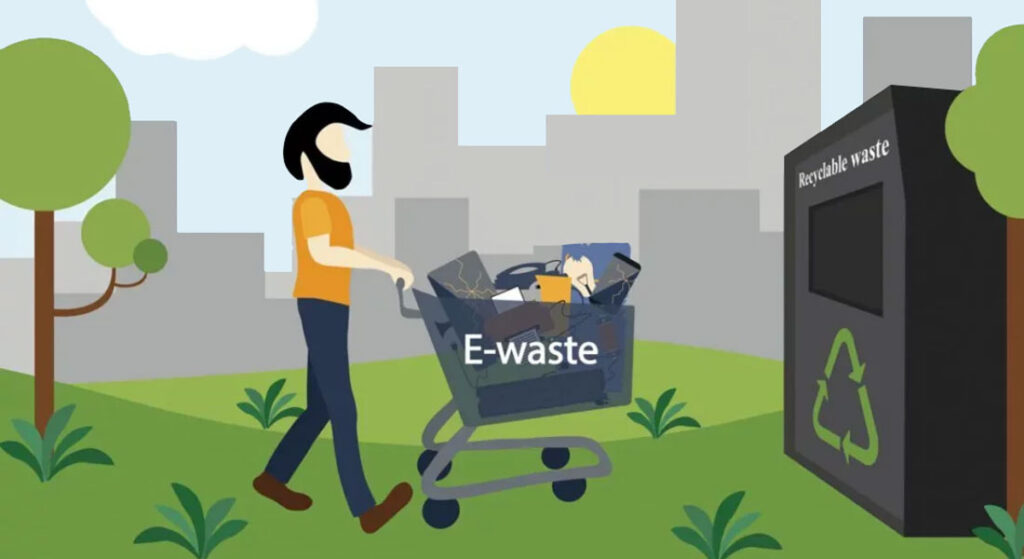
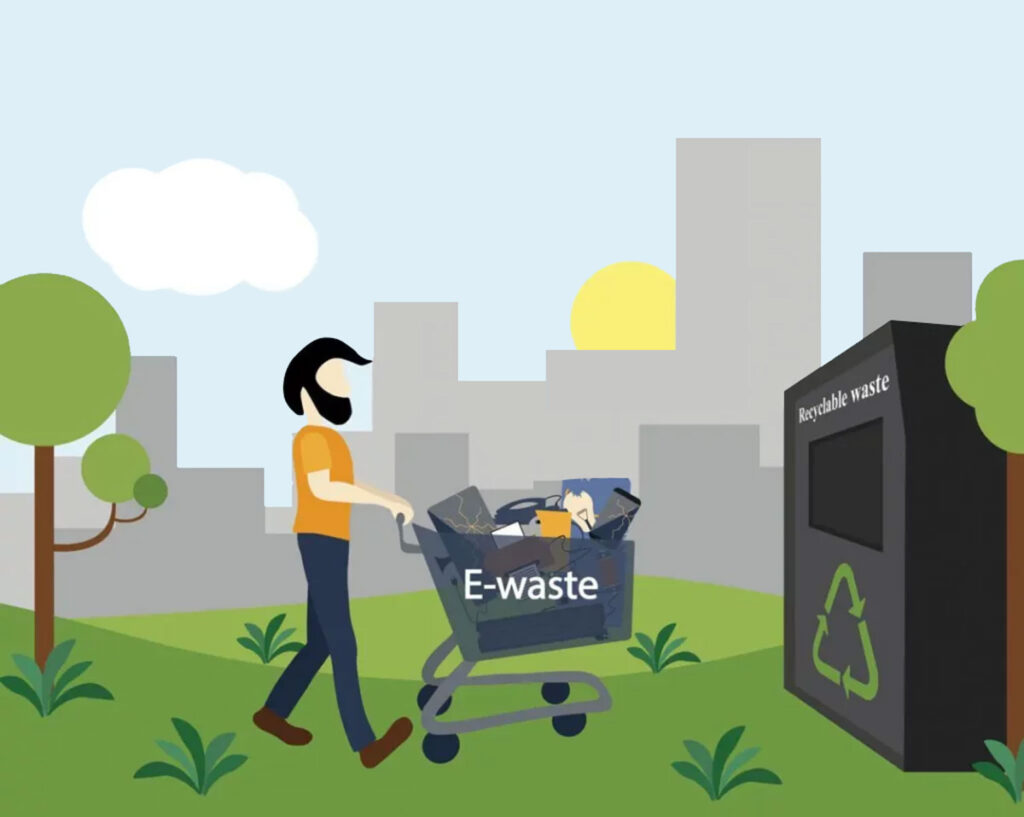
This is where we can help as citizens. E-waste includes a wide range of discarded devices that we ‘use and junk’ like smartphones, computers, televisions, and household appliances like refrigerators, washing machines, air conditioners, batteries, modems and routers.
The thinking now is that e-waste can be scientifically recycled to recover rare minerals like lithium, nickel, cobalt, graphite, antimony, cadmium, gallium, silicon, tin, tungsten, titanium, vanadium and zirconium, among others. However, for this to happen, citizens must make an effort.
The cardinal principle to follow before discarding electronic goods is to determine whether they can be refurbished and reused by someone else. If they can be, then one can extend the lifespan of these goods and reduce the carbon footprint required to manufacture them afresh. In this context, it may be wise to choose products from manufacturers committed to sustainability and who have a ‘take-back’ programme in which they accept their used products from customers.
In fact, there is a mandate under the E-waste Management Rules 2022, which came into effect in April 2023. Under it all manufacturers are expected to follow the Extended Producer Responsibility norm where they are required to ensure safe collection and recycling of their respective products.
According to experts, this move by the government is important because India has reportedly emerged as the world’s third-largest generator of e-waste after China and the US. It generated 3.8 million metric tonnes (MMT) in 2024. This is of major concern because e-waste poses both environmental and health hazards. The release of toxic heavy metals and chemicals can cause neurological and respiratory damage to those exposed to it. Environmentally, it can harm ecosystems and contribute to greenhouse gas emissions.
So, how can we help to support the circular economy as individuals in our day-to-day life? The first thing, say experts, is not to allow large number of devices such as smartphones, laptops, tablets, batteries to fester in our drawers and cupboards at home. When I was speaking to a friend the other day, she told me she had at least five old mobiles lying in her drawer as she is so attached to the devices that she finds it difficult to part with them. So, she thought, the next best thing to do is to stash the phones deep inside her drawer and forget about them.
Is she right in what she does? I am sure most of us would agree that it is not a wise thing to do. Indeed, if my friend was half-serious about doing some good for the environment and her country, she would have given the discarded mobiles to an authorised recycler who would have mined valuable minerals from the devices gathering dust in her drawer.
The process of recovering useful minerals from e-waste is called urban mining. It is an activity where electronic waste is recycled by formal, certified recycling companies and critical minerals are retrieved from them to make new products. Today there is even a regulation that certain new products being manufactured must use some percentage of recycled material.
There are many social impact startups that are also trying to bring illegal e-waste recyclers into the formal fold. Ecowork, a Delhi-based startup, has opened a facility where they provide informal recyclers, who do not have the means to own recycling units, with the infrastructure to recycle ethically and scientifically.
Coming back to our role in all this, where do we begin? For a start, we could all try to reduce our e-footprint. If you are looking for an electronic device like a laptop, printer, smartphone, or even an air conditioner, it would be wise to go in for a refurbished one. Do a bit of research on refurbished devices and approach a vendor who has a good reputation in the world of refurbishing. When I was in Delhi, a friend introduced me to someone who refurbishes laptops. I bought one of his machines. The laptop was refurbished to perfection and was so much cheaper that I didn’t feel a big dent on my pocket. Believe it or not, it gave me many years of unstinted service.
Of course, if you are a citizen who is already aware of the difference you can make by dropping off your device at a recycling centre or returning it through an app that is specifically for the purpose of collecting e-waste, you could get involved in a movement pushing others in your family, neighbourhood, office or community to do the same. The unfortunate reality is that we have extra capacity at several recycling companies, but collection is not good enough to feed this demand. It would be great if each of us could plug that gap.
The writer is a senior journalist who writes on environmental issues