





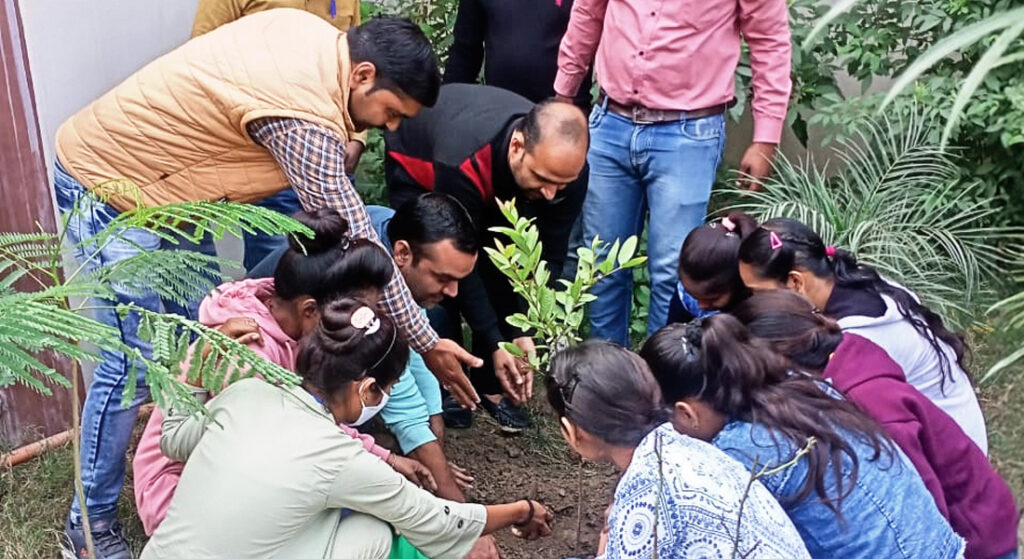
Community living can be an eco-friendly experience.
Gated colonies seem to be becoming the norm in urban India. In fact, there are so many who are leaving their independent houses to move to gated communities. Most say that it makes life easier as the living spaces offer a host of amenities and you don’t have to run around if your electricity has tripped or there is a water leak. You can just call the society help desk and the electrician or plumber will be at your doorstep. But such amenities also come with the shared responsibility of looking after the commons and ensuring that they are sustainable — areas such as the corridors, roads, parking spaces, joggers trail, gardens and the trees, to name a few.
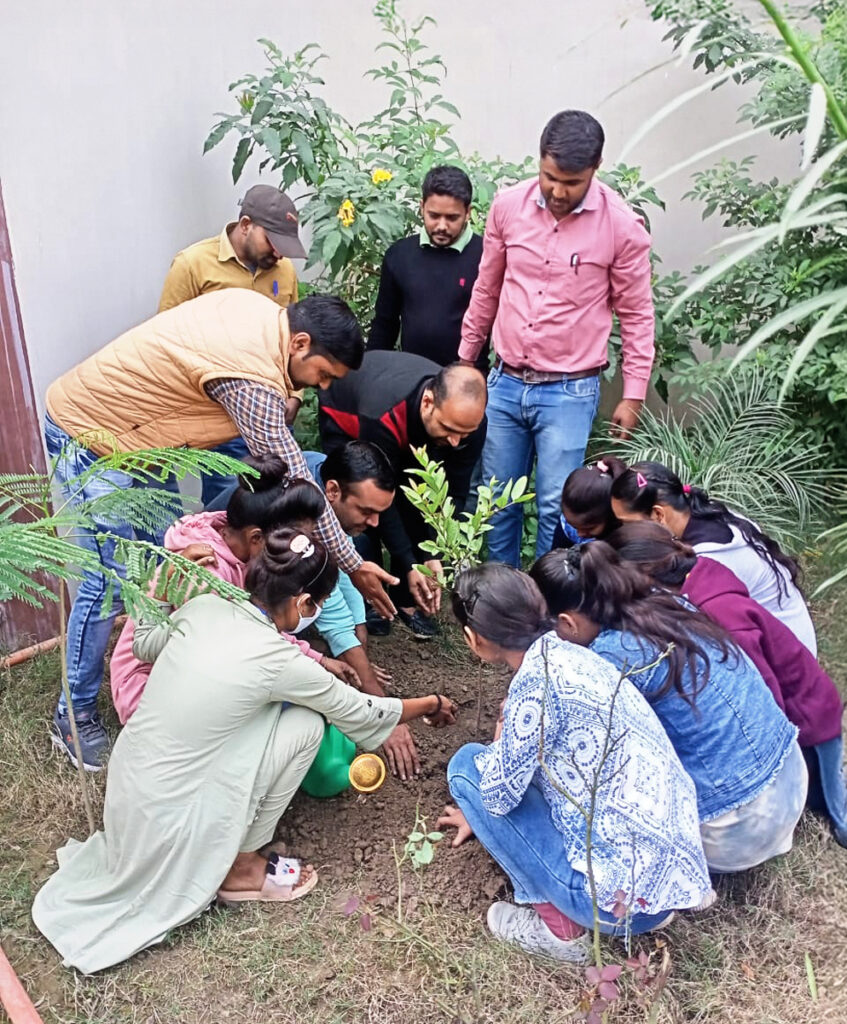
The amenities on offer are no doubt great conveniences that make life easier, especially for working couples and aging citizens who need assistance. But one is also responsible towards others living in the same gated community. And those who do not respect the rules agreed upon will be doing their fellow residents a disservice. For instance, if your resident welfare society asks you to segregate the garbage (which it should) you must do it and make the effort a collective success.
What is good to see is that increasingly gated communities are not stopping at just garbage collection to ensure a sustainable lifestyle. They are collectively involved in a host of green activities. I find actively composting the community’s wet waste has become a joint activity that is becoming popular. Then, residents in many societies are pooling in their resources to set up rooftop solar panels. This helps them not only reduce their electricity bills in the long term, but also makes them partners in saving the country’s fossil fuel energy and checking emissions.
Water harvesting is another area that is gaining focus. Water, as we know, is a precious commodity that must be preserved and not wasted. Several gated communities come with water harvesting and recycling systems that ensure better usage of water. It also underscores a collective responsibility to keep these systems functioning efficiently and a commitment to use this scarce natural resource without wasting it.
Residents in many societies are pooling in their resources to set up rooftop solar panels. This reduces their electricity bills, and also makes them partners in saving fossil fuel energy and checking emissions.
I have come across some interesting real estate advertisements of late, luring citizens with ‘green’ offerings. Of course, I hope these are not typical green washing exercises by builders desperately trying to prove their eco-friendly credentials. But some of the ideas they promise to execute are, no doubt, interesting.
One such builder offers residential high-rise flats that would have fruit trees in the common areas alongside the parks, with fruit plucking and sharing it among families as a joint activity in the colony. I don’t know about other things, but if it means that the kids growing up in the community will climb these trees to pluck fruit, and they will experience dirtying their hands in the soil while looking after the trees, I am all for it. It is a good way of keeping them away from screen time and close to some sort of natural environment.
Another real estate advertisement boasts of exclusive child-friendly and pet-friendly spaces in their housing project. It promises outdoor playing areas for children and a pet park for animal lovers. Dogs are always a bone of contention in most gated communities as pet lovers and those fearful of ‘man’s best friend’ are at loggerheads on where these canines can be taken out for a walk. Given that, a pet park is a very sensible idea. It can provide a space where the pets can interact with each other, while their ‘parents’ can exchange notes on pet food, vets and what have you!
But beyond what the builder can do, you as a member of the community can contribute in your own way. We all know that charity begins at home. In this case it literally does. You can, for a start, see to it that lights, fans, TVs, ACs and other electronic goods are switched off when not in use. It is an unpleasant sight to see fans and lights on in an empty room. Remember energy is being wasted and that is so ‘un-green’ a thing to do.
Gated communities make great places to initiate the three sacred Rs of sustainable living — reduce, reuse and recycle. By living in a common space, you certainly ‘reduce’ your carbon footprint as you share the emissions you create collectively. When it comes to reuse, I have heard of some innovative activities that gated communities have started. One of them went in for a garden sale where whatever you want to discard is put up for others to buy at a discounted price. So, if I am looking for an oven, I can buy it off someone who is looking to get rid of it. Where children’s stuff is concerned, this works rather well. You can buy a used pram in good condition, a bicycle, a crib, a car seat, even well-maintained toys and books.
In fact, WhatsApp and the MyGate app serve as useful networks for such offerings as well. But, if a community feels closer than that, a garden exchange can also take place. I know of several communities where people would just put out the stuff they do not need anymore, and others would pick it up for free. The stuff is being reused.
Some gated communities also arrange recycling as a joint activity. They invite a recycling company, and everyone brings out what they want to get rid of. It could be clothes waiting to be discarded, those old laptops or mobiles sitting on your shelf or electronic items not in use. This is a great way of getting rid of e-waste. It also becomes convenient when such activities happen collectively, say on a weekend.
The suggestions for making gated communities sustainable are endless, but what really makes it happen is the will of a few individuals. And, of course, the passion for going green.
The writer is a senior journalist who writes on environmental issues