
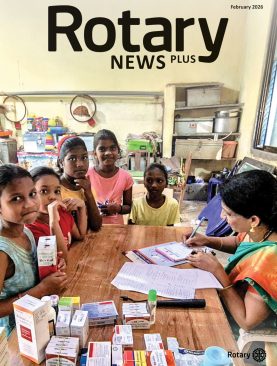

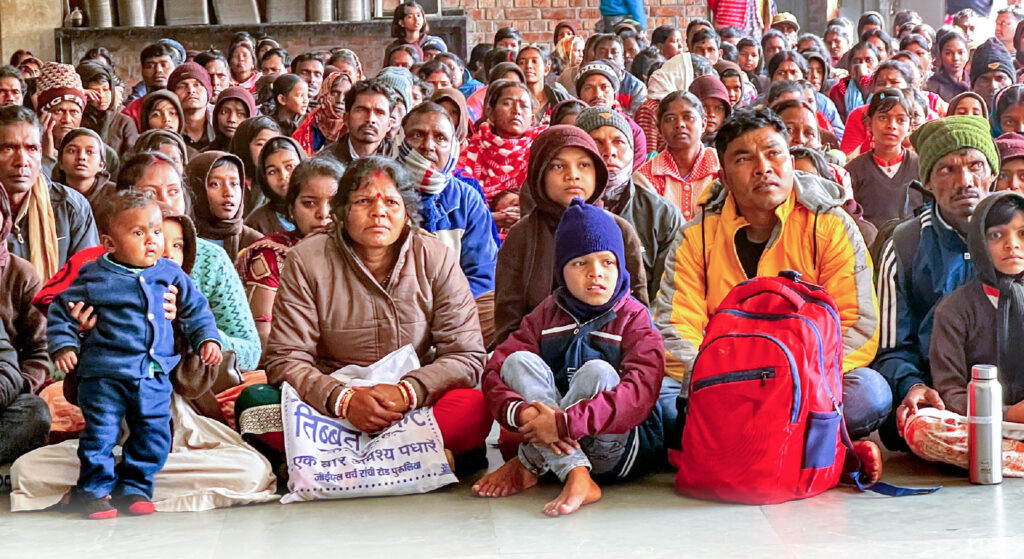
Around 550 girls of Adhigam Bhoomi School, a residential institution in Pailan, Joka, in South Kolkata, recently received the first dose of the cervical cancer vaccine, thanks to an initiative by the Rotary Club of Salt Lake Metropolitan Kolkata, RID 3291. The programme, an important step in safeguarding the health of vulnerable adolescent girls, was supported by the Bengal Obs and Gynaec Society.
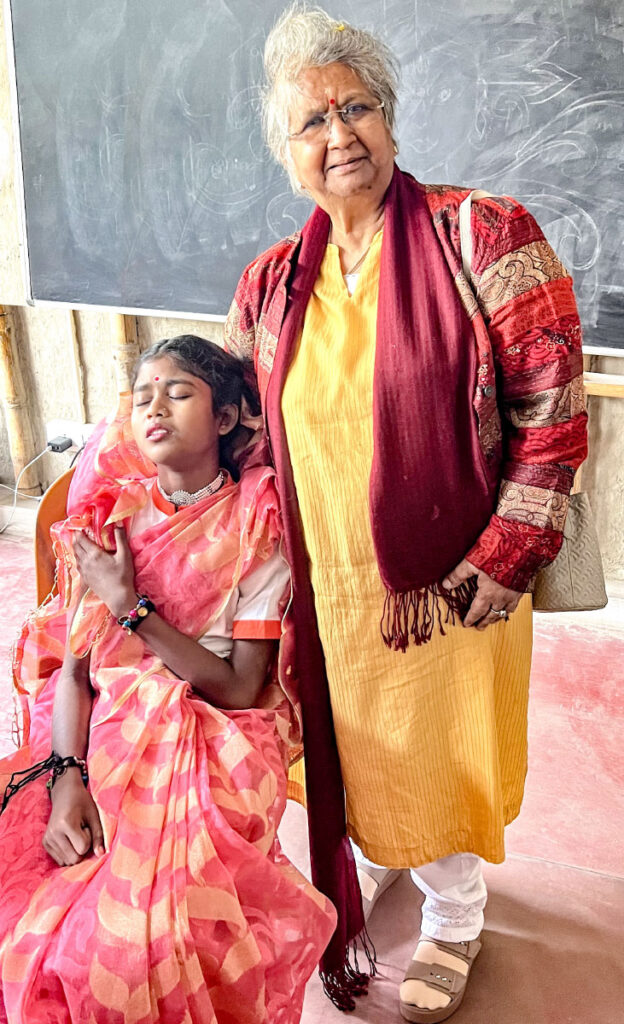
Club member Dr Aruna Tantia explained that cervical cancer is one of the leading causes of cancer-related deaths among women in India. It is primarily caused by persistent infection caused by the Human Papillomavirus (HPV). The HPV vaccine, when administered between ages 9 and 14, is most effective in preventing this disease. It offers long-term protection and significantly reduces the risk of developing cervical cancer later in life. Recognising this, the club organised a two-day vaccination drive at the school, targeting girls in this critical age group.
Speaking about the need for such initiatives, she pointed out the stark healthcare gaps in regions such as Joka, the Sundarbans, Purulia and Bankura. “These areas lack adequate medical facilities. Women, in particular, tend to ignore their health problems in the struggle of daily life,” she said.
Adhigam Bhoomi School provides shelter and education to nearly 1,200 tribal girls from nearby villages. Run in a gurukul-style setting, the school offers training in weaving, pottery, organic farming and rainwater harvesting, along with formal education in English, Hindi and Mathematics. Most parents are daily wage earners who cannot afford proper education or healthcare for their children, making such interventions vital.
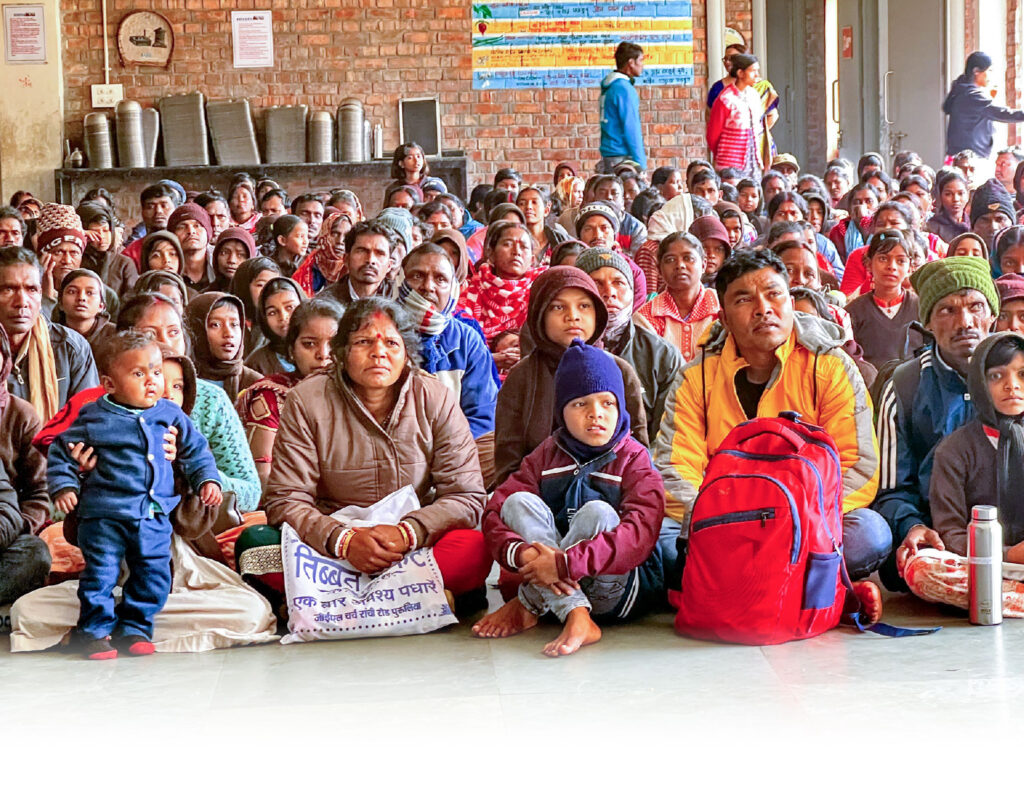
Before administering the vaccine, the Rotary team conducted awareness sessions for parents. “We explained what cervical cancer is and how vaccination can protect their daughters. Once they understood its importance, they readily gave consent.” The girls will receive two doses, with the second scheduled after six months. The vaccines, procured from the Serum Institute of India at a subsidised cost of ₹2,230 per dose, are fully sponsored by the club.
The vaccination drive was complemented by the club’s ongoing global grant project, Matri Raksha, which focuses on women’s health. Launched in 2021, the project screens women for anaemia and menstrual disorders and promotes treatment through affordable, locally available nutrition. “Prolonged bleeding and lack of awareness often lead to severe anaemia. Many women hesitate to seek medical help due to embarrassment,” she explained.
Through Matri Raksha, the club also screens children for thalassaemia and provides awareness sessions on menstrual hygiene and healthy diets. Vitamin supplements and iron tablets are distributed, usually for three months at a time. So far, 87 camps have been organised, benefiting over 400 women at each camp. Nearly 70 per cent were found anaemic, and 18 per cent had hypertension, said Aruna.
With support from three Rotary clubs in Switzerland and four clubs within the district, the project aims to reach at least 20,000 women.