
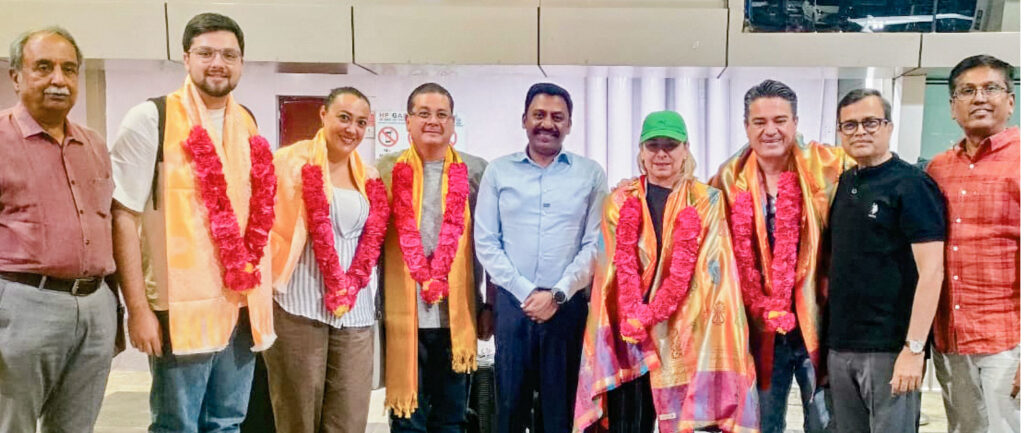
Five Rotarians from RI District 4110, Mexico, embarked on an 11-day tour of India in the first week of March following an invitation from K Nagesh, Rotary Friendship Exchange (RFE) chair of RID 3203, which covers Tirupur, Pollachi, Erode, the Nilgiris and Coimbatore.
“This is our third exchange,” says Nagesh, recalling how he reached out to Anna Mier, RFE chair of RID 4110, inviting Rotarians from Mexico to experience the culture and service initiatives of RID 3203. “She immediately agreed. It reflects the trust, friendship, and strong bond our districts have built over time.”
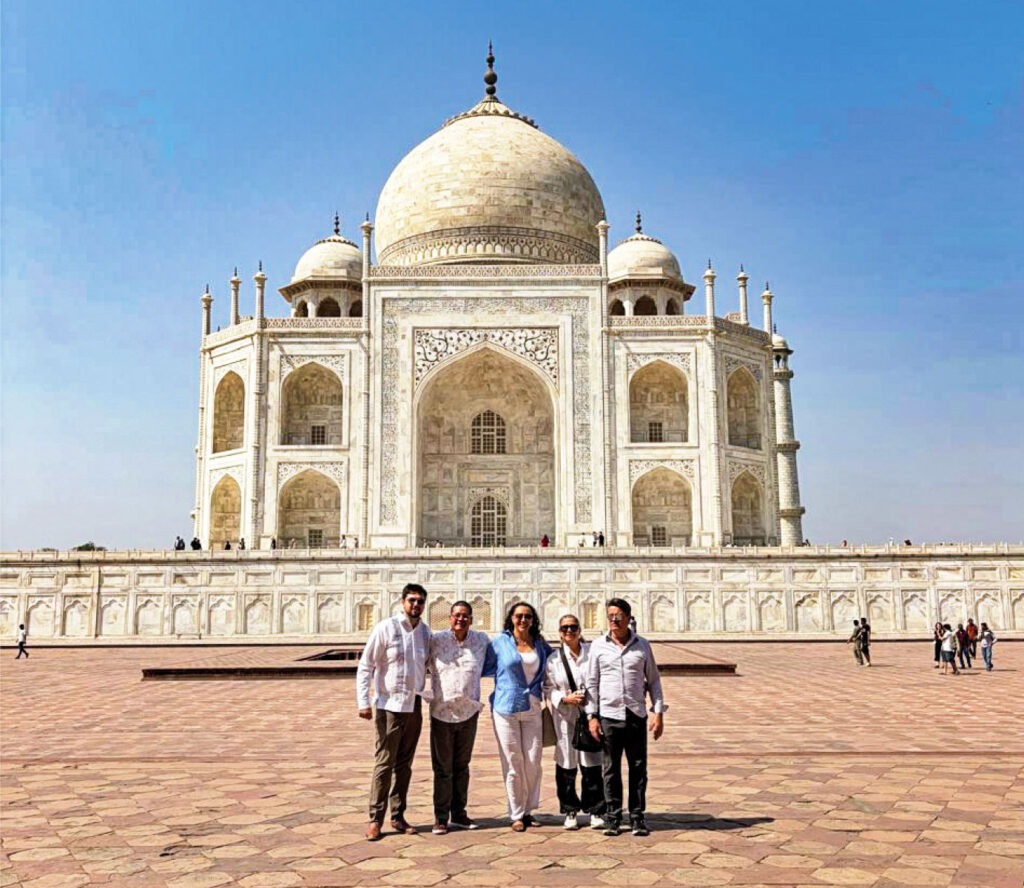
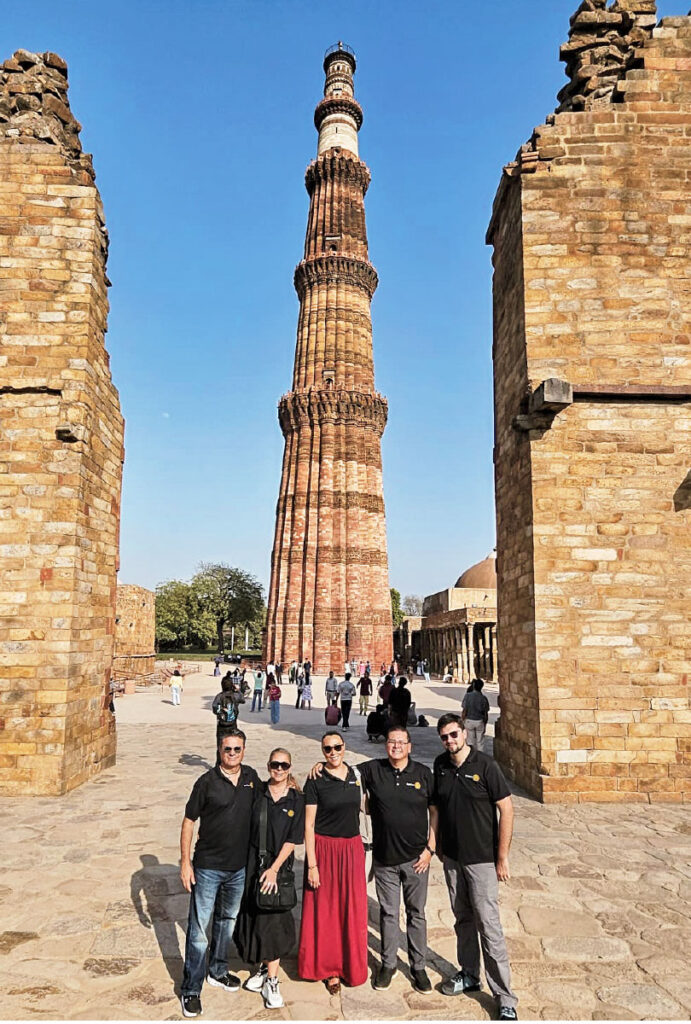
Anna had one special request on behalf of the visiting team — a chance to see the Taj Mahal and spend a few days exploring Delhi. RID 3203 DG B Dhanasekar coordinated the arrangements with RID 3011 DG Ravi Gugnani, who entrusted the hosting responsibilities in Delhi to district RFE chair Vikram.
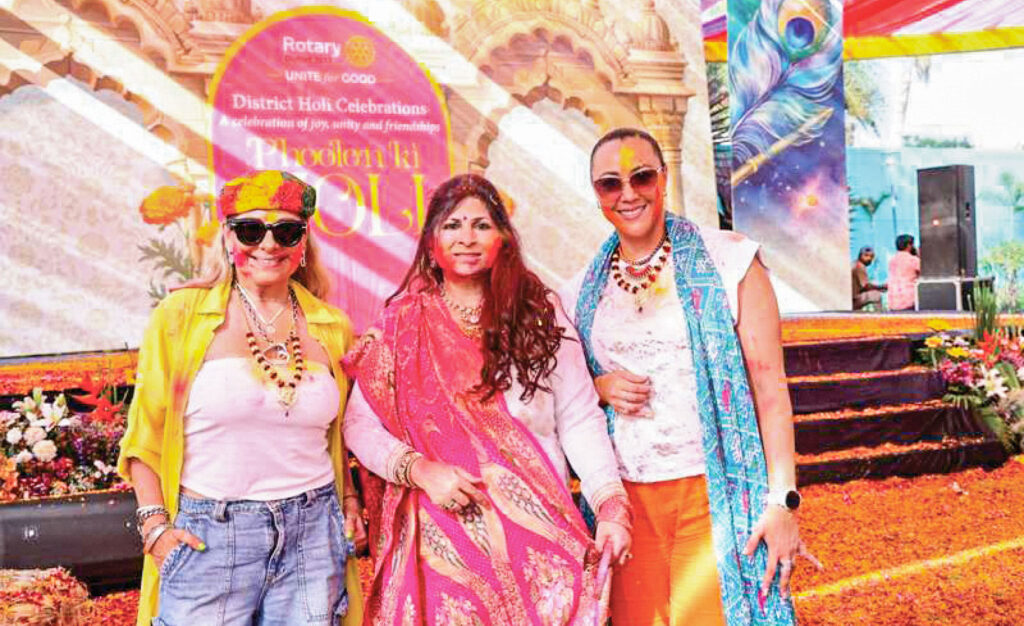
The Mexican guests were captivated by the timeless beauty of the Taj Mahal and deeply impressed by the rich history and architecture of the monuments they visited in Agra and Delhi. “They enjoyed the Holi celebrations at Gugnani’s farmhouse and relished North Indian cuisine and traditional sweets,” says Nagesh.
In Tirupur, known for its hosiery industry, the delegation was taken on an industry tour. “They were fascinated to witness the entire journey — from yarn to finished garments. It was exciting for them to see the scale, precision and efficiency of our textile ecosystem.”
The visitors were also introduced to several landmark service projects of the district, including the upcoming ₹100-crore Cancer Centre at the Tirupur Government Hospital, the Rotary Blood Bank, Rotary Crematorium, Rotary Dialysis Centre and the Rotary School established in 1963.
At Mettupalayam, situated at the foothills of the Nilgiris, the team visited three major projects of RC Mettupalayam — Heal, a mobile mammogram and cervical screening vehicle; Care, a post-operative intensive care unit; and Lifeline, a blood component separation facility. RID 4110 had partnered internationally in supporting these initiatives.
Rotarian families hosted the guests in their homes, offering them an authentic Indian family experience. “They were delighted to learn to eat with their hands — a cherished part of our culture — while enjoying South Indian breakfast favourites such as idli, dosa, pongal, upma and poha. Of course, eggs and bread were also served to suit their comfort,” smiles Nagesh.
Experiencing the warmth of the Indian joint family culture was deeply meaningful. It was new for us, but it helped us understand the significance and value of family bonds.
For the visitors, the experience went far beyond sightseeing. “Experiencing the warmth of the Indian joint family culture was deeply meaningful. It was new for us, but it helped us understand the significance and value of family bonds. The language, cuisine and culture were entirely different from the North, yet equally beautiful. It was here that I truly understood the essence of unity in diversity,” wrote Luis Roqueñi Rello, one of the RFE guests, in an email to Nagesh after returning to Mexico. He described visiting the Taj Mahal as “a dream come true” for the entire team.
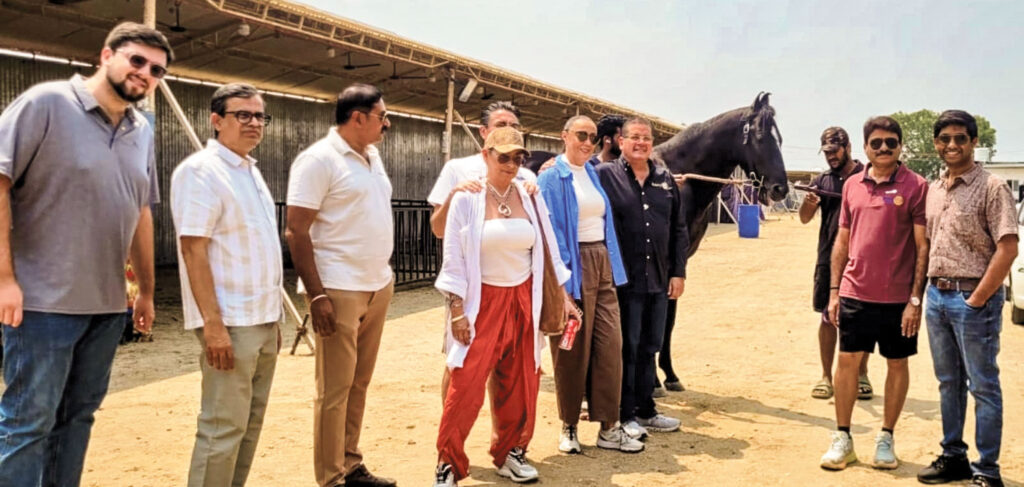
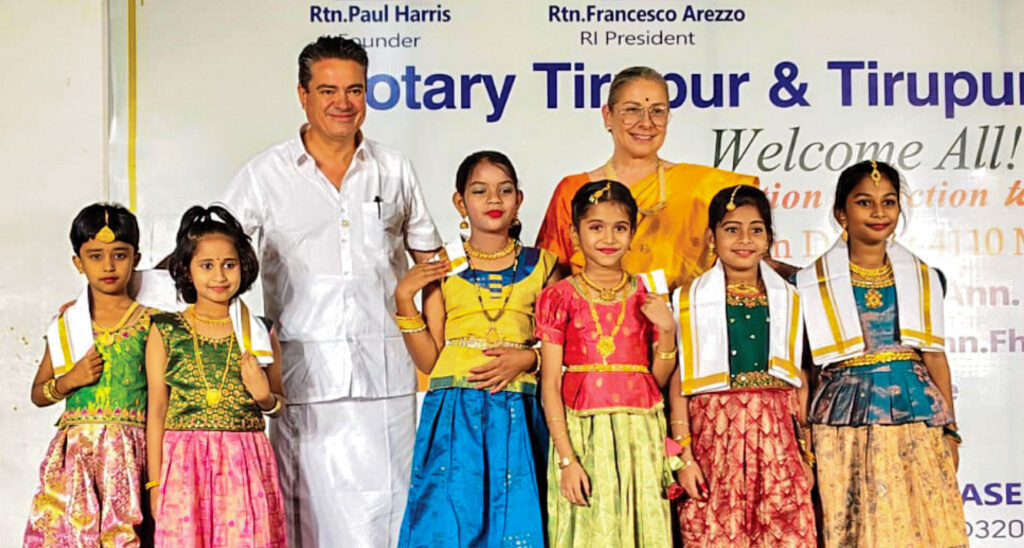
During their stay, the Mexican Rotarians attended club meetings in Tirupur, Erode, Ooty, Mettupalayam and Avinashi, strengthening fellowship across multiple clubs in the district. To showcase India’s cultural richness, RID 3203 organised performances featuring Bharatanatyam, yoga demonstrations, the vibrant sounds of nadaswaram and thavil, and rural folk music.
“Though the stay was short, the connections we built were deep and meaningful. In just a few days, we became more than hosts and guests; we became family,” says Nagesh.