



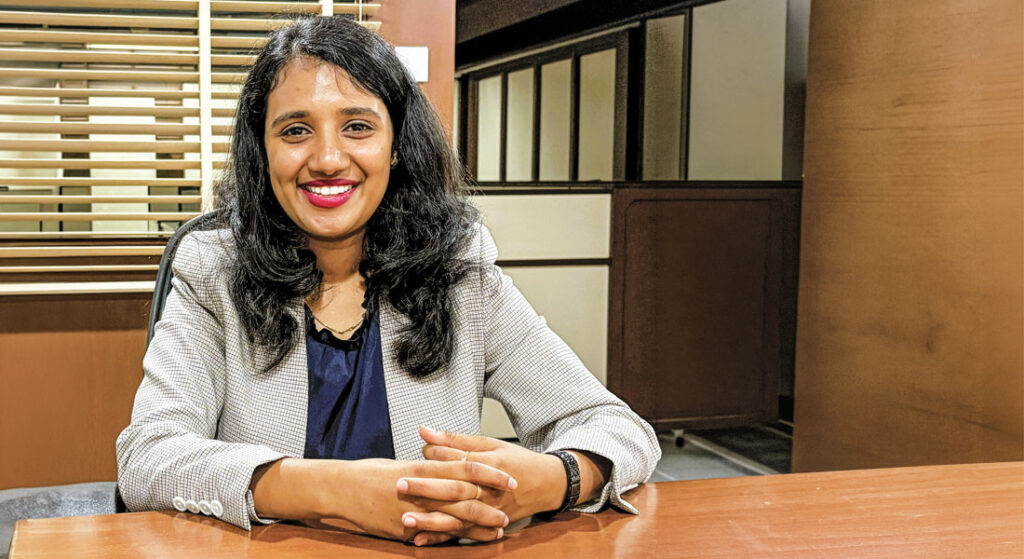
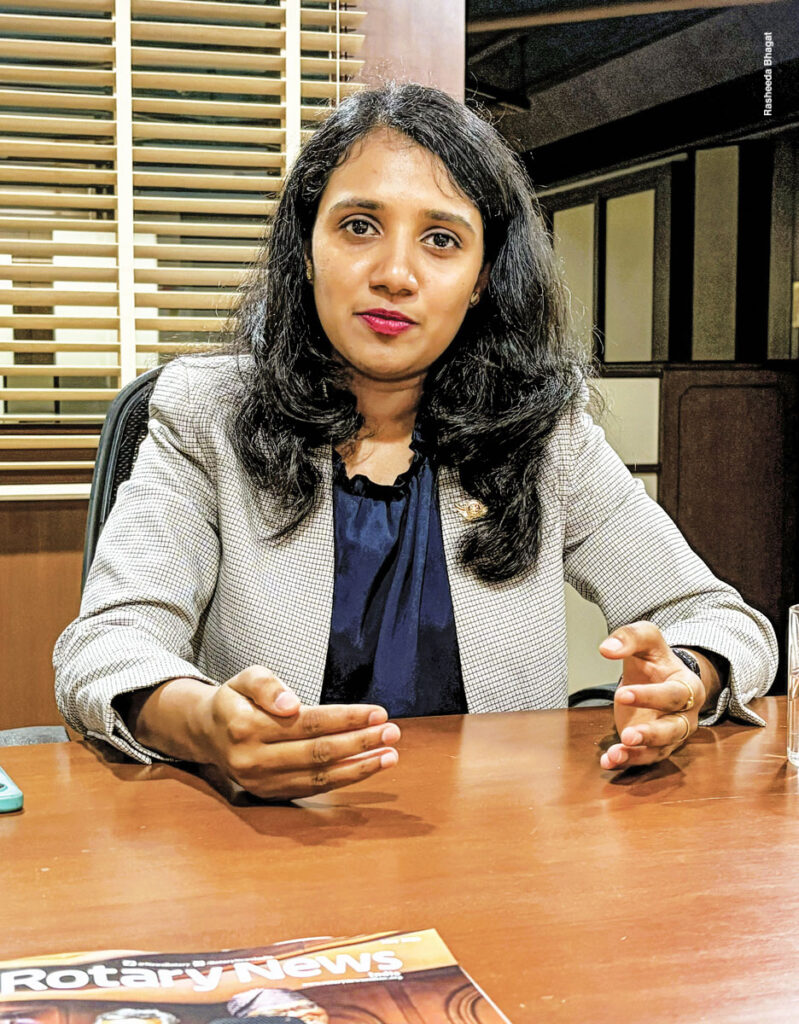
Janice Philip, the District Rotaract Representative (DRR) of RID 3192 and Assistant RPIC of Rotary, is both a Rotaractor and a Rotarian. Asked why she’d want to be both, she says, “My family believes in giving back to society and we are a group of people … all neighbours… who started the Rotary Club of Bangalore Vidyaranyapura over nine years ago. I was then a Rotaractor and my mother, who joined the club then, is its incoming president. My father is the district learning facilitator.”
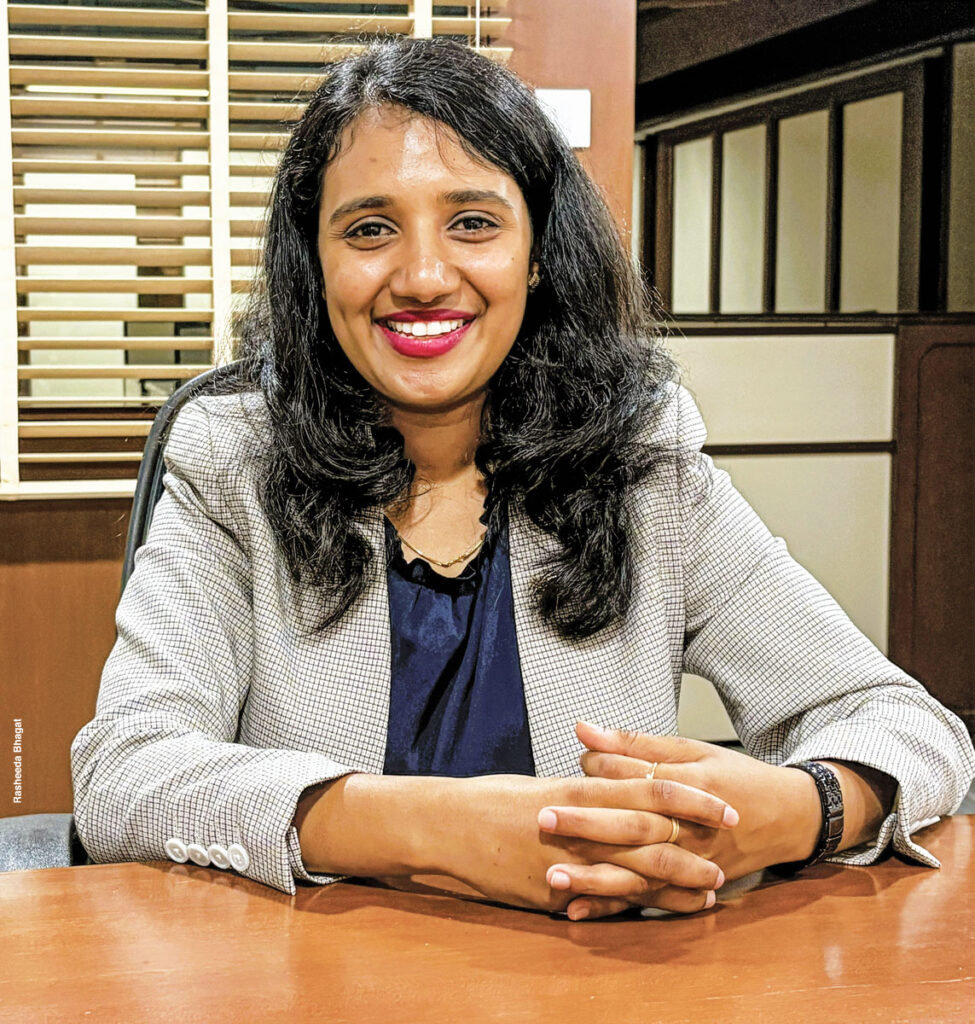
Janice joined the same club five years ago, and retained her membership in Rotaract, which has made her not only a DRR, but also the first DRR in the country to be an assistant RPIC.
Seated in the Rotary News Trust office she exudes both charm and confidence, and says Rotary has put the “right perspective about service in my entire family’s mind.”
Asked what Rotaract has given her over the last 10 years, she says, “So many things, leadership skills and a platform to speak. The person I am today wasn’t the one who stepped into Rotaract 10 years back. I was barely confident, always scared to talk. I was sure I wanted to give back to society and make a difference but didn’t know how!”
Her Rotaract journey has smoothened her rough edges, gave her opportunities, guidance, mentorship and a network that encourages growth. “It has opened a wide range of platforms where I have grown as a leader and pushed me beyond my comfort zone. Today when I look back, if Rotary and Rotaract did not exist, probably I wouldn’t have had the opportunity to be the person I am today.”
We want to be the first Rotaract-led group to become the first Rotaract community AKS member.
More important, she adds, “this role enables me to give the same opportunity to thousands of other youngsters. That is the biggest blessing god has sent my way!”
But why does she need to be both in Rotaract and Rotary, I push. “While Rotaract gives me a perspective with youngsters, being a Rotarian is a privilege. You get to visit places which broaden your horizon and thought process, opens up opportunities which are not there in the students/youngsters’ crowd.”
Elaborating, she says that while students talk only about their colleges and early careers, Rotarians tend to plan for the next five years, and the kind of entrepreneurial people they can connect with. “The conversations are different, the opportunities are different. It gives you a whole different perspective and a much larger canvas.”
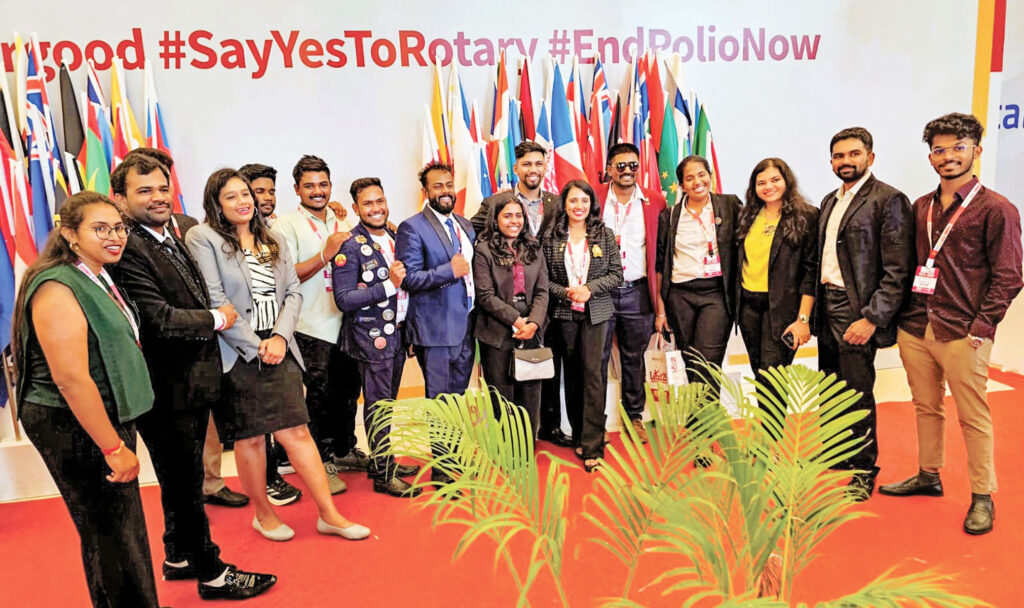
But wasn’t it Rotaract that gave her the opportunity to become an ARPIC at this young age? “Absolutely, and I feel it’s an absolute honour and a privilege. And being chosen for this role is a huge responsibility as well as a privilege and opportunity. It allows me to not just grow as a leader, but also enables to create opportunities for multiple other Rotaractors.”
She reiterates that for her to become the first woman DRR in her district, many leaders paved the road for her. “And today I have an opportunity to inspire many others so they can follow the path that I have taken.”
On what strengths Rotaractors bring to the Rotary family, Janice says, “Rotaractors today belong to a very active generation which is very curious… they have speed, momentum, agility, ability to start anything from scratch. We are a generation with curious minds; today nobody waits for permission to start, they just want to be a part of something that they can actively contribute in and that gives us strength to do so much within the organisation.”
We need to be proud ambassadors of what we do as Rotarians, Rotaractors, because the world hears/sees the stories we share. What we don’t share is not visible.
She adds that for a long time “we were viewed as youngsters, probably kids who were yet to be in the workforce. But today’s Rotaractors are digital natives, they know exactly what they are doing. In fact, if you compare my generation and the current generation, there is a huge gap, they are much more forward, progressive and the kind of momentum they bring really changes everything drastically.”
When I interrupt saying that Rotarians consider her age group the “younger generation,” Janice smiles and quips: “I mean between the alpha generation versus the millennials, there is a large gap in how the mindset has changed. We try to get permission to try something new. But today’s generation is not afraid to try, or fail; they are willing to take the risk.”
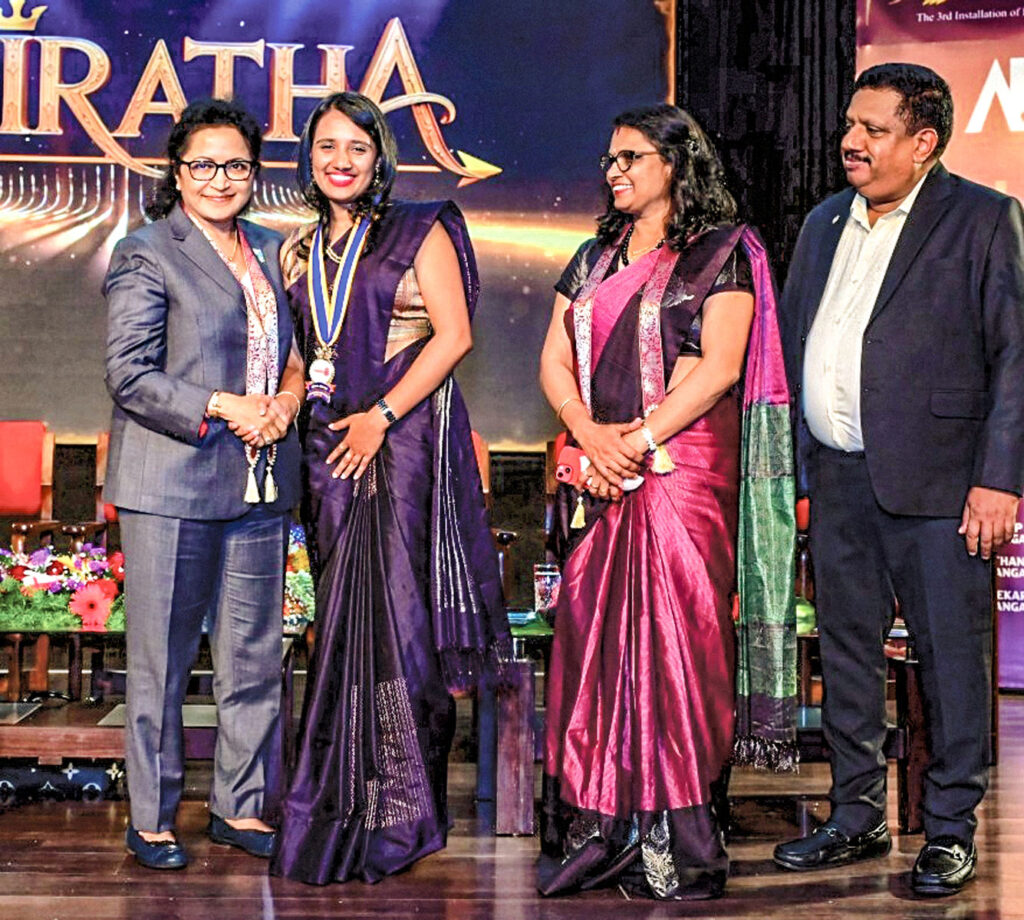
What age group? “Eighteen to 20, when most people come into Rotaract. College students.”
She herself works as a SAP consultant in a startup, doing implementation projects. So did Rotaract help you in some way? “Absolutely,” she says.
On the longstanding dialogue within top Rotary leadership that the Rotaractors need to be treated with more respect, I ask Janice if the scenario is finally changing or are they still being asked to move around the furniture! She smiles and says, “It is changing and has largely changed. Today Rotarians are more forthcoming. But when we talk about Rotarians and Rotaractors working together, it’s not just a one-way mind shift. It works both ways. So while we expect Rotarians to be accommodating, Rotaractors also need to take up an equal amount of accountability and responsibility.”
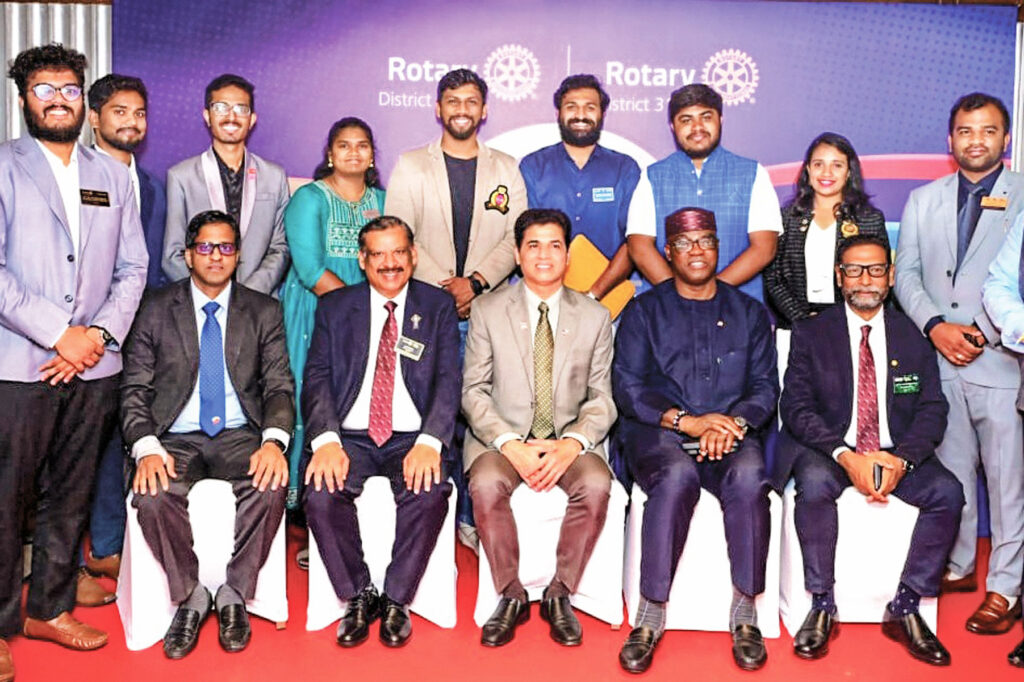
So are they stepping up? “Yes; they’re asking for the opportunity to serve and want to be treated as equal partners. They are willing to contribute, even monetarily.”
She says India’s Rotaractors are brimming with ideas; across all the four zones, “we’re thinking about contributing to the PolioPlus Fund. We want to be the first Rotaract-led group to become the first Rotaract community AKS member.”
This they plan to do by all the Rotaractors raising $125,000, and “our DGE Ravishankar Dakoju will match it with an equal amount.”
Coming to the resistance from Rotaractors to pay their dues — which is just $8 for community-based clubs and $5 for colleges — I ask Janice if this is not just chump change for today’s youngsters. “I completely agree, and think it’s a mindset problem. Because for a long time Rotaractors got the membership for free. But now they are beginning to understand what they are getting from Rotaract — they are hearing the stories we leaders tell them, about the opportunities that have opened for each of us. We try to involve them by opening doors.”
But, adds the DRR, there is a segment of Rotaractors, from institution-based clubs, who genuinely find it difficult to pay the dues. And it is here that some of the sponsoring Rotary clubs have started helping out.
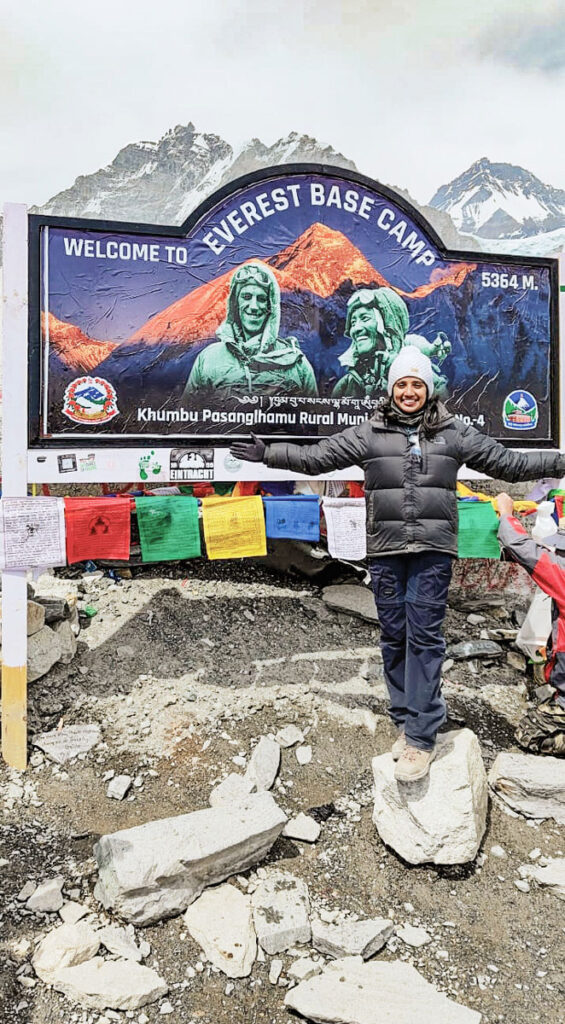
She clarifies that today the rules allow a Rotaractor, who is 18, to become a member of Rotary, and there is a small number of youngsters who are doing this. “In our district there may be 50–70 such people.”
To the question why Rotaractors who become Rotarians would want to continue in Rotaract, the DRR says, this is due to their need to mingle with their own age group, where they feel they’d have more opportunities to contribute and connect better. But, she admits, the transition has to happen for them sometime, so “rather than having a transition where Rotaractors in colleges graduate and move away, we introduce them to Rotary early so that they build a connect, they work with Rotarians, know their mindset and the larger opportunities they’ll get to make an impact.”
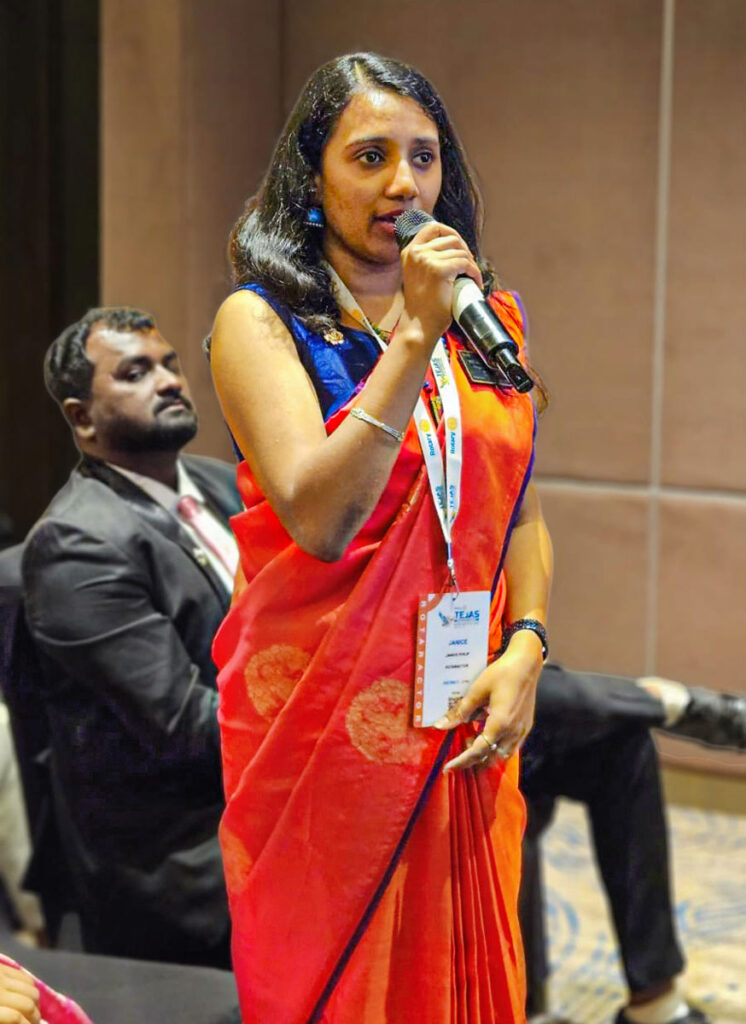
Another initiative being taken to improve the conversion rate, Janice adds, is concentrating on past presidents and current presidents of Rotaract clubs and encouraging them to move to Rotary in a year, and when their term ends.
Rotaractors also have regular meetings like Rotary clubs, but “it is more need and project-based and there is greater flexibility. We encourage two general body meetings a month, which enables everybody to connect. But they end up meeting more often, both online and in person. The pandemic has made people crave for personal connections and they want to meet face to face, be on the ground, get more involved and create an impact,” she says.
As an assistant RPIC she is responsible for putting forth the work and service not only Rotaractors and Rotarians, but also Interactors and Inner Wheel members across all districts are doing, for a global audience. She feels a “huge shift” is happening within Rotary to look at all its arms, including Inner Wheel, as a single entity.
At the district level doors are being opened for past DRRs to be a youth services director or assistant governor.
So how is she, with a youngster’s perspective, trying to promote Rotary’s public image, and push it as a brand that can, and is changing lives?
“The world only sees the stories that we share. The world knows about polio and our contribution. But Rotary is doing much more than that. We do heart and cataract surgeries, projects with huge environmental and climate impact, such as the Dhanyavad project that our DGE (Dakoju) has initiated. The challenge is to portray the stories of every single club and district and their impact. That story needs to reach people through various kinds of media, including digital, and by talking to people. We need to be proud ambassadors of what we do as Rotarians, Rotaractors, because the world hears/sees the stories we share. What we don’t share is not visible.”
While promoting Rotary as a “ service-oriented organisation, a humanitarian platform and a brand that can change lives, I want to make it a household name, and a movement which changes lives, as it has people who are compassionate, can create an impact in society and shape the future. To do so, we have to harness the strength of the media, using Rotaractors’ ability to go digital, and make use of all kinds of media as simple as a WhatsApp forward.”
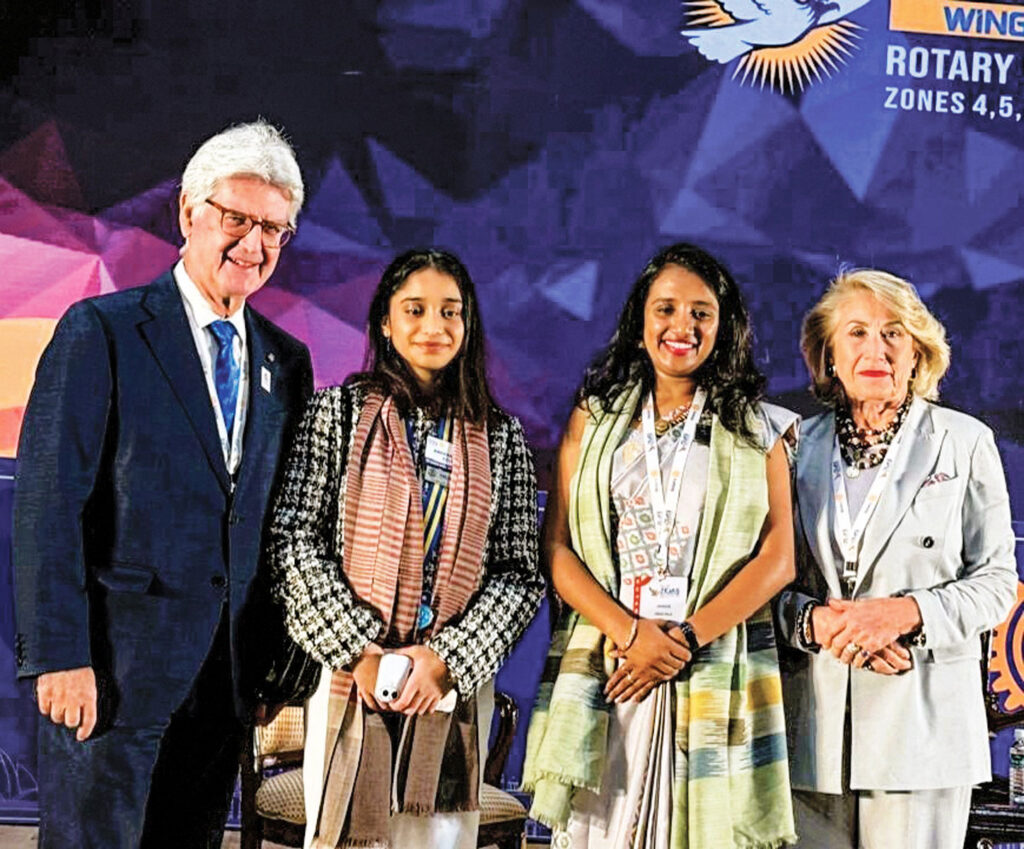
Asked about the use of AI in promoting Rotary’s stories or growing membership, Janice says that while Rotaractors are using AI already, “for public image, we haven’t largely harnessed the complete capabilities of AI. For our processes, administration and other things on which lot of time is used to plan, work and write, AI can take off majority of the load. Event organisations, plannings, creatives, so many things are harnessed easily using AI.”
So can Rotaractors savvy with AI train club leaders? “Absolutely. And Rotaract also opens doors.” Giving her own example she says that having heard that putting Rotaract on a resume creates the impression of a young and friendly leader, she did so while interning with United Breweries. Luckily, the vice-president interviewing her was a Rotarian who had been a Rotaractor, and when she got the position, she asked if there were no technical questions for her. “They said if you’ve come till here, it means you have the ability and if you are a Rotaractor, we know that you have the ability to manage your role in every walk of life. And it was just a walk in for me.”
This not only opened a door for her, it also “gave me a platform where I can share my stories and pushed me towards leadership.”
Today, adds the DRR, Rotaractors are doing community service projects through CSR, working with the government, police, traffic wardens, forest departments, other NGOs, etc. “Rotaractors are looking at how we can collaborate with multiple partners to maximise our impact through service projects.”
The Rotaract Club of Ramaiah College has done a project collecting e-waste, generating funds from it and using it to construct a playground in a tribal area. This was recognised by the government, forest department and the RI President. Work like this is happening on a large scale. People are moving away from small projects like food or blankets donation towards funding cataract or heart surgeries. They are doing projects for ₹4 or 5 or even 10 lakh in collaboration with partners for artificial limbs fitment or creating infrastructure for schools.
At the end of the day, is she happy about the respect Rotaractors are getting from Rotary? “Yes, I am happy that there has been change but scope for improvement and better integration remains as this has happened only in pockets and not across all the districts. Perhaps in 20 clubs in my district. Not everybody is open to integrating Rotaract; things are better in the south and places like Bengaluru, Chennai, Coimbatore or Mysuru. But in the North, even in Delhi and Mumbai, things need to improve in integration.”
She feels every Rotary club should look at this integration and how to involve Rotaractors at every board meet, allow them to contribute ideas, and so on just as envisaged by RI.
Will both the incoming RI President and Vice President, being Rotaractors, help grow Rotaract. “Definitely and to a large extent it is going to help; people who have been in those shoes, who have contributed and worked as Rotaractors, and understand their thinking and potential will help a lot. They already know how much Rotaractors can contribute. We don’t have to bridge the gap or explain that we can be equal partners.”
Rotary clubs can harness the strength of Rotaract by guiding, handholding and encourage them in organising and managing events. Of course, Rotaractors will have to step up to undertake responsibilities so that they can maximise their impact, or else it’ll be a wasted opportunity.
She is happy that not only some clubs but districts are also doing this. “At the district level doors are being opened for past DRRs to be a youth services director or assistant governor.”
At the end of the day, youngsters should realise that being a Rotaractor increases your self-confidence, gives you better articulation and leadership skills. “They have so many strengths; they are willing to take leadership, speak confidently, are sure of themselves, know how to put together an event. They are both responsible and accountable. They don’t shy away from larger leadership roles.”
The other strength of Rotaract is the gender balance; though Janice is the first woman DRR of the newly minted RID 3192, in the undivided 3190 there were four more women DRRs before her, and her district has a large number of women presidents.
But, she concedes, there are the usual gender stereotypical challenges in being a woman leader here too. “To get this platform and opportunity, you have to prove yourself and work twice as hard. While I’d love to say that perspectives have changed, this does exist. What has changed is that women are creating opportunities for other women to step in. And the male Rotaractors want to work with women.”
Where do you see yourself 10 years from now in Rotary? “I want to be a leader who can contribute to paving way for many other leaders.”
This smart and self-confident woman sees herself as her Rotary club’s president in the next two years; she was secretary last year and “I fortunately belong to a club that encourages Rotaractors! Eventually, how much impact I can create, being an ordinary person, is the best part of Rotary. It allows ordinary people to do extraordinary things together with other ordinary people, and change people’s lives, even as you grow as an individual.”
Her final take on what Rotary has given her. “Personally, the leader I am today is all because of Rotary. The way I speak, my vision of giving back to society, and so many opportunities, to be a part of the Tejas Zone Institute, and I hope to attend my first Convention in Taipei!”