





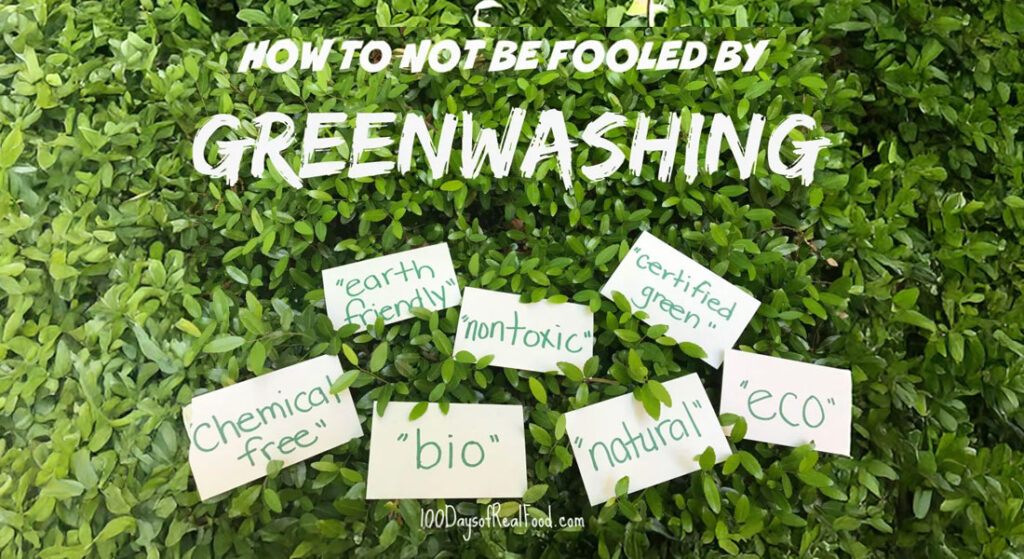
There is a saying: “You can fool some of the people all the time, and all of the people some of the time, but you cannot fool all the people all the time.” Unfortunately, some individuals believe they have mastered the art of deception and think they can get away with it. They primarily target those who are aware of the state of the planet and mindful of their lifestyle choices — such as what they wear, eat and buy. These individuals strive to live in harmony with nature and seek eco-friendly products that do not harm or destroy Mother Earth.
You might be wondering what I am talking about. I’m referring to a growing trend worth monitoring in 2026: greenwashing. This term refers to the dubious practice of misleading customers into believing they are purchasing environmentally friendly products that promote health and do not harm the planet.
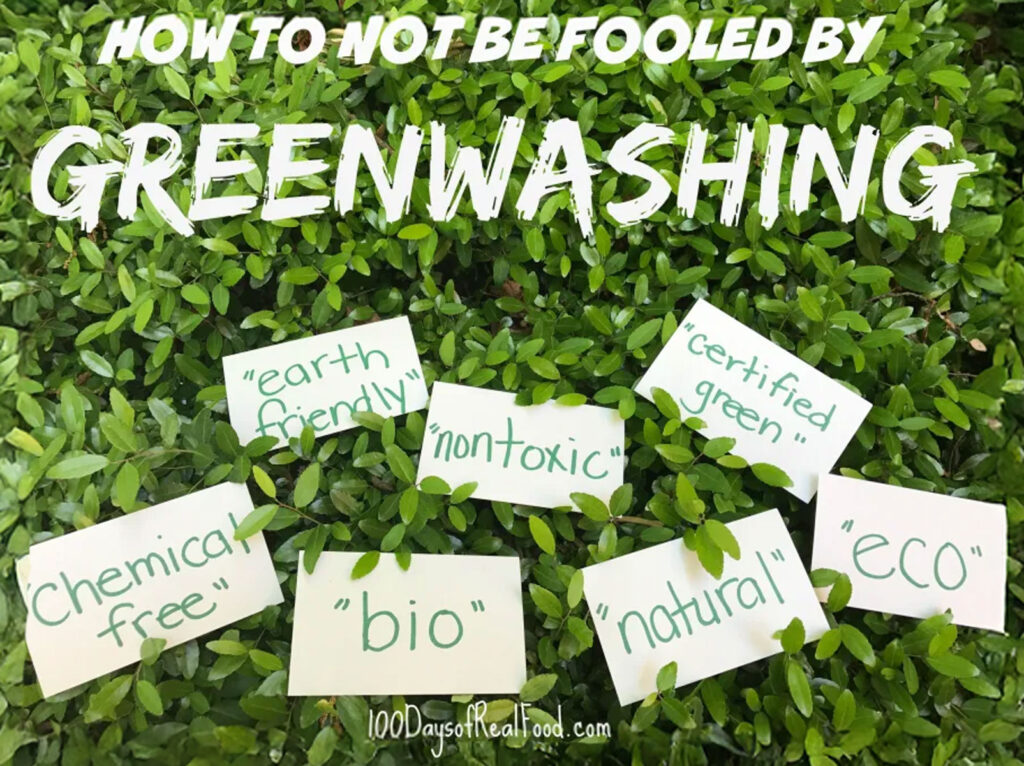
Here are a few examples, some of which you may have come across as advertisements or as slogans on the packaging of products you buy.
One of the most common and misleading slogans seen on products is “100 per cent natural,” even though the product contains synthetic substances. This happens across brands in India, including detergents, food, ayurvedic products, garments, and more. You have to scratch the surface and do some homework, and you’ll find that the claim is a blatant lie.
In the last few years, many such products have been called out by research and consumer organisations. But it does not deter companies from continuing to use superlatives such as “pure and natural,” “toxin free,” “eco-friendly,” “recycled” and “100% ocean plastic” (products made from plastic waste from coastal areas and waterways, to prevent them from reaching the ocean). Many of these claims are not true or are sometimes only half-truths.
Let me illustrate this with a personal anecdote. Recently, I went to buy bedsheets for my sister-in-law. She had specified that she uses only cotton bedsheets. In fact, she preferred the truly environmentally friendly ones made from organic cotton. As I went from shop to shop, I found all kinds of bedsheets made of different materials and kept reading the labels to make sure I was buying the right one. In several bedsheet brands, I repeatedly came across the hard sell, “As soft as cotton,” and the shopkeeper would insist that this was indeed cotton. It was, in reality, “as soft as cotton” when mixed with a certain percentage of synthetic fibre. It was not pure cotton.
It was only after visiting three different shops that I, at last, came across bedsheets made from 100 per cent cotton. Of course, they were much more expensive, but they were authentic and had the organic cotton logo. It was a tough search, but well worth it. What I am trying to illustrate is that by the twist of a few words and an enthusiastic salesperson at hand, a consumer can be subjected to “greenwashing” without even knowing it.
So, what is greenwashing? One of the definitions says, “the act of disseminating disinformation to consumers regarding the environmental practices of a company or the environmental benefits of a product or service.” According to a study by the Advertising Standards Council of India (ASCI), 79 per cent of green claims made by organisations were proven to be exaggerated or misleading. In fact, a 2024 report by the Centre for Responsible Business, “Combatting Greenwashing in India,” quotes a YouGov market research study that found that 71 per cent of Indian consumers reported incidents of greenwashing, with 60 per cent expressing concern over these deceptive practices.
The categories commonly abused by greenwashing include cosmetics, packaged food, textiles and even shoes. So, when companies promote their “eco” range of products, they often represent only a tiny segment of their entire product lineup. For example, if a company markets its “sustainable” shoe collection, it may only refer to a limited batch of shoes made using an “eco-friendly” process. Majority of its products, however, could still be manufactured through a supply chain that disregards air and water pollution or the working conditions of its employees, such as those in well-known sweatshops in small towns in India.
You will be surprised that some of the biggest brands in the textile sector that have their presence in our malls have been called out for their environmental track record, their lack of transparency, and for choosing profit over ethics. Their names are only a Google search away.
Food is another sector that greenwashes its way into the taste buds of consumers. Manufacturers deliberately and consciously build their reputation on words such as “organic”, “pure”, “wholesome”, “good for the planet” and a host of others. However, many of these companies do not live up to their claims.
Take the case of honey. Most brands that bottle this commodity label it as “natural” or “pure,” coming straight out of the beehive. But often this is far from the truth, and some years ago, a well-known manufacturing unit had to face the humiliation of its product being tested, only to reveal that sugar had been added to the honey it was marketing.
So, what are the greenwashing tactics that you must look out for?
- Don’t get carried away by labels that are “green,” have images of nature and say that they are “compostable” (they may be compostable after 200 years!)
- Look at the ingredients carefully, even in packaging that calls itself “healthy” or “natural” because a lot of sugary snacks full of gluten carry such wordings.
- If the company claims it is “sustainable,” it may be just in one tiny aspect. It would be worthwhile to check on its core practices and reputational history.
- Keep your eyes out for certification. Certified organic products or companies always display an official approval stamp.
The moral of the story is to always be vigilant against greenwashing by companies. As the trend to seek a greener lifestyle grows, so does the practice of misleading consumers with tall “sustainable” tales!
A happy and green 2026.
The writer is a senior journalist who writes on environmental issues