
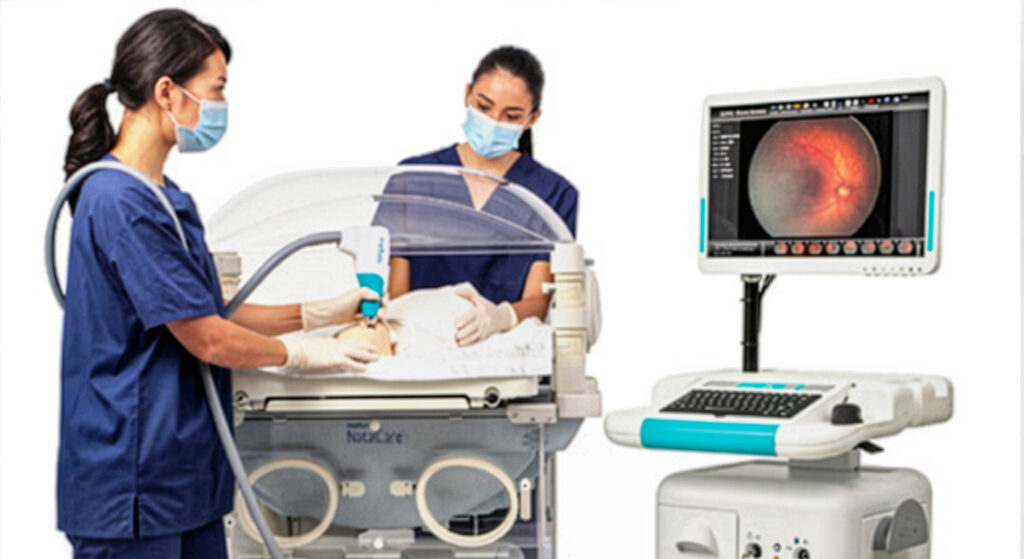
The Rotary Club of Jalna Midtown, RID 3132, has set up one of Maharashtra’s first state-of-the-art RetCam Diagnostic Centre for Neonatal ICU infants, adding a significant service to the highly specialised care required to protect premature babies from the danger of losing their eyesight, and put them on the path to normal, healthy growth. This equipment is targeted at ensuring that neonatals do not face the danger of premature retinopathy, endangering their vision.
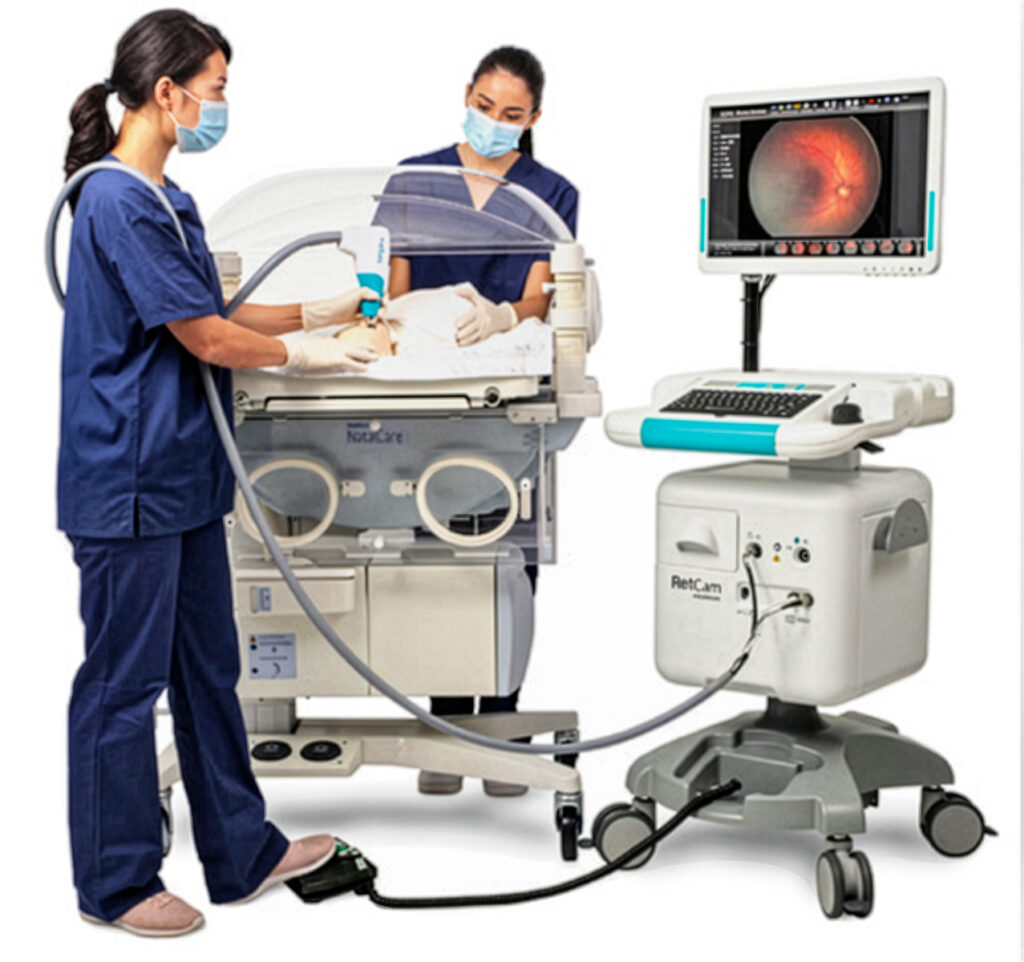
This centre, established at the Shri Ganpati Netralaya, Jalna, a tertiary eyecare centre, run by the Mahyco Research Foundation Trust, and equipped with sophisticated devices to diagnose and treat retinopathy in premature babies, was made possible by a global grant of around $49,500, with the Shri Ganpati Netralaya contributing around ₹1.5 crore.
Explaining the genesis of his project and the work that went behind it, the club’s past president Anup Karwa, grant lead and RID 3132 grant subcommittee chair (DGSC, RY24-25), said that in their conversation with doctors at the partner hospital, the Rotarians found that this Netralaya examines at least 3–4 neonates a day for this condition known in medical terminology as Retinopathy of Prematurity (ROP). The finding: many of these babies have already developed stage 5 ROP with extremely poor prognosis. This is just the tip of the iceberg, with many “research publications reporting the incidence of ROP to be alarmingly high. It is estimated that nearly one-third of premature babies develop this condition. Unfortunately, most government hospitals lack the expertise to diagnose and treat this condition, which requires both high-skilled surgeons and high-end equipment and facilities to treat it,” he says.
In Jalna and surrounding rural belts, advanced retinal imaging and trained specialists are woefully lacking. Babies have to go to distant cities, losing precious time.
In districts like Jalna and surrounding rural belts, access to advanced retinal imaging and trained specialists are woefully lacking. Babies had to be referred to distant cities, losing precious time.
ROP is a potentially blinding condition and affects the retinal vessels of premature infants who weigh less than 1.5kg or were born before 32 weeks. Quoting numbers, he says that the survival of preterm infants has significantly increased globally in the last two decades, especially in countries such as India, with over 3.5 million preterm infants born and surviving annually. The financial burden of blindness and vision impairment in a thickly populated country like India is phenomenal.
Keeping all these factors in mind, “our dream of establishing a RetCam Diagnostic Centre took shape,” says Karwa, hastening to add, that for those involved in planning and executing this project, “this was much more than just the purchase of an equipment… it was setting up a lifesaving and sustainable system that would give hope to parents of premature babies in this region.”
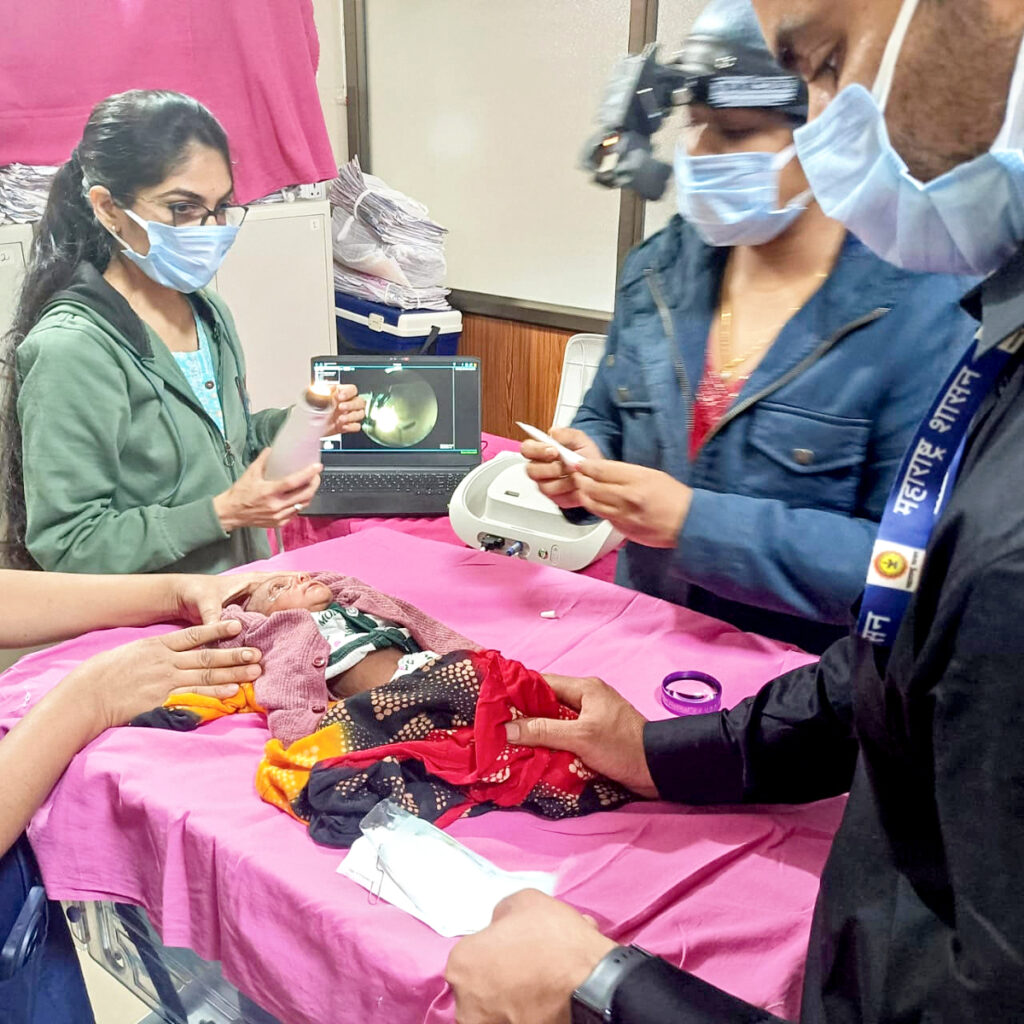
The journey began with conversations between Rotarians, doctors, neonatologists and the families of tiny patients. Visits to NICUs revealed stories that stayed long after the visits ended. “What was the hardest for us to note was that so many babies survived critical days, only to face a future of darkness,” he says.
The first step was understanding the real need and rigorous community assessment and this was done through “multiple hospital visits and discussions with experts in the field. These revealed a critical gap… the absence of RetCam technology, the gold standard for ROP diagnosis. After collecting data, documenting case histories and assessing the magnitude of the problem, “we were convinced that the need was real, urgent, and undeniable.”
Once convinced about the need, the core team members reached out to many international Rotary clubs in the US. Through presentations, storytelling, and data-backed need assessment, the project’s importance was shared with RC Corona in RID 5330 and RC Austin, RID 5870, by Karwa, who secured funding commitments and cemented the partnership. The GG valued at $49,500 was approved by TRF and the Ganpati Netralaya contributed $170,000 (₹1.5 crore at the prevalent exchange rate then).
The mobile equipment will be taken to rural areas and the images captured by the special camera will be shared via Cloud servers with retina specialists for timely diagnosis and treatment.
The centre with the state-of-art imaging technology was inaugurated in 2025 in the presence of District Governor Sudhir Lature, with Rajendra Barwale, chairman, Mahyco Group, IPDG Suresh Saboo, PDG Swati Herkel, club president Ankit Agrawal, Dr Rushikesh Naigaonkar, medical director of Shri Ganpati Netralaya, and Anup Karwa. The service here will be provided free of cost, “ensuring no child is denied care due to financial constraints,” said Agrawal.
Once the equipment was procured and the centre inaugurated, screening of neonates admitted in the NICU of government hospitals in various districts of Maharashtra began. The screening is being conducted by skilled and trained technicians using the fundus camera, which is being transported in an air-conditioned mobile van equipped with telemedicine facilities already available with partner hospitals, and will continue to be done periodically.
The images captured by this special camera will be shared via Cloud servers with retina specialists trained in the diagnosis and treatment of ROP, who are available at the partner hospital in Jalna.
Since Diwali this portable equipment has screened over 50 prematurely born babies across three cities near Jalna and prevented retinopathy in eight cases at Stage 1 and 2, through timely drops and adequate eye care. If these cases were not diagnosed in time, it might have led to surgery or even blindness, Karwa added.
The babies diagnosed with the malady and requiring specialised medical management will be treated in the NICUs, where they are already admitted. Neonates requiring surgical management will be referred to Shri Ganpati Netralaya, Jalna, where all facilities for the required operation are available. The cost of surgeries will be covered under the national medical insurance scheme, said club president Anil Agrawal.
Next on the cards are doctors’ workshops to train paediatricians, neonatologists and ophthalmologists for early detection of this condition. “A workshop for NICU doctors from 10 cities of Maharashtra will be held. We’ll connect with more NICUs to ensure universal screening coverage, and send the mobile unit to remote areas for timely detection and management,” said Karwa. During his term as DGSC last year he did 15 GGs worth $700,000, including district grants.
More camps will be held across Maharashtra and those interested in volunteering can travel with the Netralaya doctors to contribute to this project, he added.
NICU and Rotary eye care hospitals across Maharashtra can reach out for collaboration at rcjmidtown@gmail.com and anupkarwa@gmail.com