
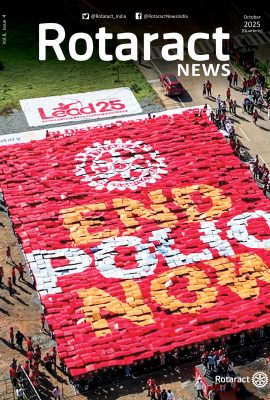
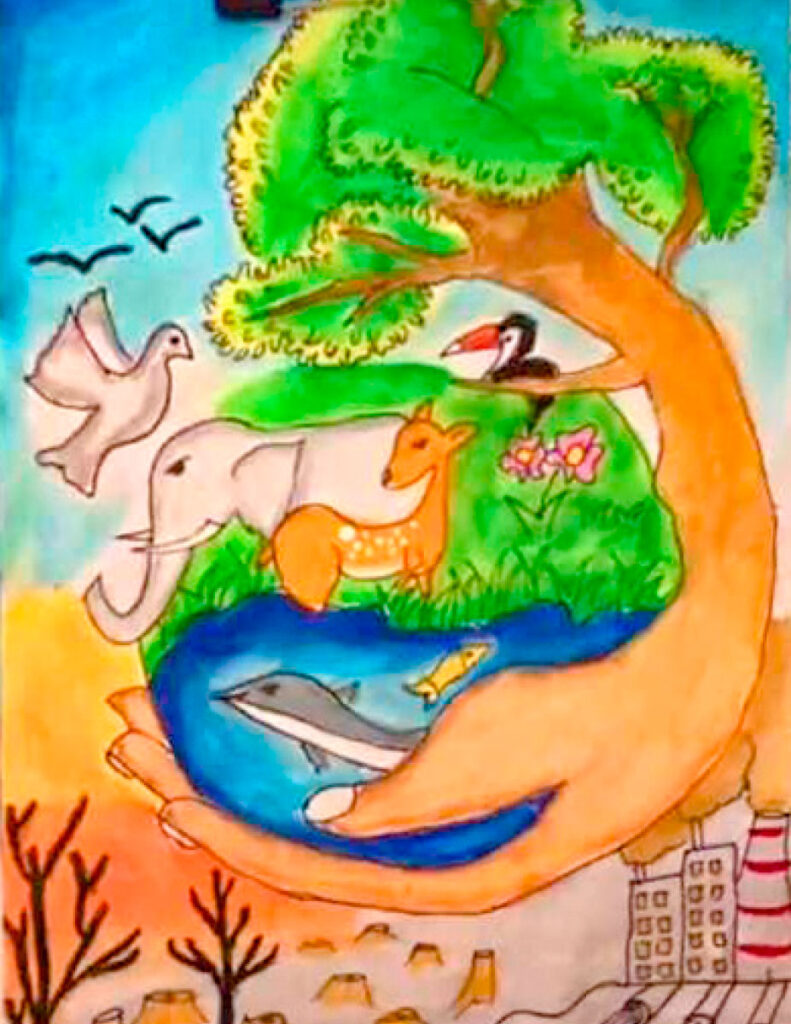
RC Trichy Heritage, RI District 3000, conducted a drawing competition after its members reflected on a simple question: “Would children understand what peacebuilding means? We were curious to know,” says club president I Johnson. Of the 580 students who registered, around 170 chose peacebuilding as their theme, over other topics such as environmental protection and End Polio.
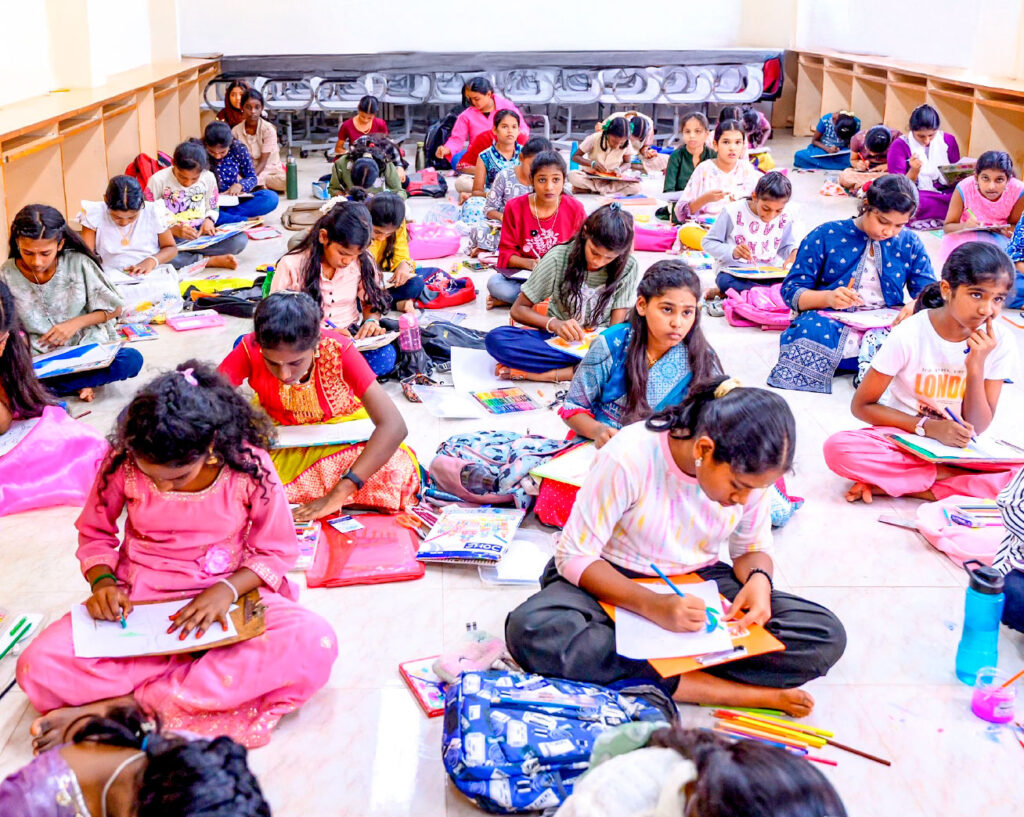
“We live in a largely peaceful part of the world, and it’s difficult for children to imagine conflict or the kind of suffering they only hear about.” Many children expressed peace through small, everyday gestures like sharing food, helping neighbours and playing without quarelling. “Their interpretations were simple, but that is something to be grateful for. Peace is what they’ve always known, not something they have to struggle for like children living through war or disaster,” he said.
For 11-year-old Harish, a Class 6 student from a government school in Trichy, peace was painted as a narrow path connecting two pink houses. On one side, he drew children playing together and on the other, neighbours offering sweets to each other. “It wasn’t a grand statement — just his way of showing what a calmer world might look like if everyone was a little more understanding,” says club member V Valarmathi who was part of the organising team.
What began as an activity to engage local schoolchildren on weekends grew into an effort to build awareness on peace, environmental care and polio eradication. In partnership with its Interact club, Aravind Police Academy and Mangalam Hospital, RC Trichy Heritage hosted this competition while simultaneously offering a free medical camp to the 500 parents who accompanied their children.
While children bent over blank sheets, sketching clean rivers, quiet streets and green landscapes, parents rolled up their sleeves for routine medical tests.
The campus was lively as students queued for registration and parents headed to the health camp. “Inside the competition hall, children bent over blank sheets, sketching clean rivers, quiet streets and green landscapes. A few classrooms away, parents rolled up their sleeves for routine tests, some closing their eyes as blood was drawn. We had both care and creativity in the same space,” Johnson quips.
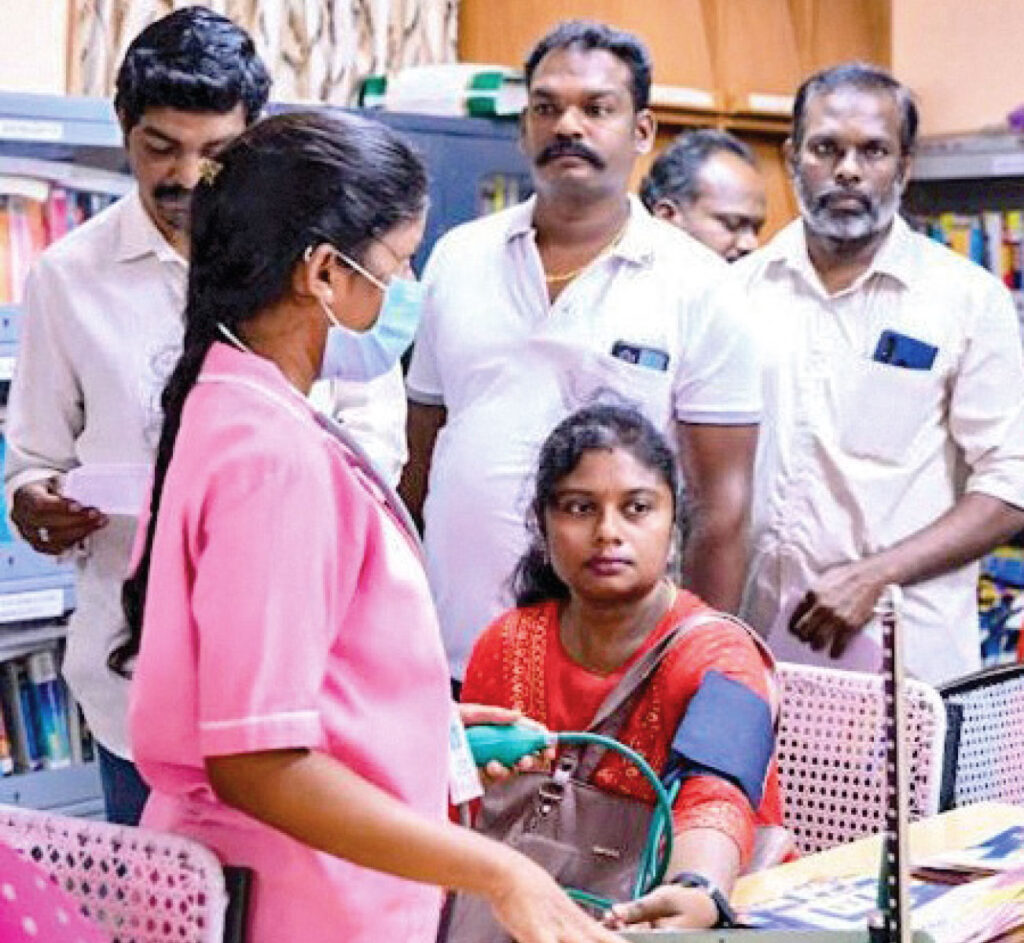
Doctors from Mangalam Hospital conducted basic screenings, and for “several mothers, it was their first check-up in years. Many homemakers simply don’t prioritise their own health. Everything at home runs smoothly, so families assume they are fine. A few mothers had high BP but appeared perfectly normal,” he says. Parents came for their child’s competition but ended up discovering something more important… their own well-being.
The club also used the opportunity to raise awareness about polio immunisation; Volunteers spoke to parents individually, distributing leaflets and answering questions, “a reminder that immunisation still requires steady community engagement.”
Trophies and certificates were distributed to all participants of the drawing competition. DG J Karthik, who attended the valedictory, called it a “rare event where creativity, public health and civic responsibility intersected so naturally.”