





In the last 10 years or so, Hiranandani Estate, an integrated township of around 10,000 families in Thane near Mumbai, has seen rising cases of vector-borne diseases, especially dengue, with many people getting hospitalised.
Hence, “the club leadership of RC Hiranandani Ivan, RID 3142, decided at its first sitting in July to take up an anti-dengue campaign to create awareness and sensitise the residents to adopt preventive steps against the disease,” says club president Vinay Pratap Singh.
The Thane Municipal Corporation has also taken up fumigation of water bodies and vulnerable pockets of the township where large stagnant puddles and potholes breed swarms of mosquitoes that attack the immune system,” he says. “Even residential societies are doing fumigation on a regular basis, but still we see an alarming increase in malaria and dengue cases each year.” During monsoon, heavy rains transform the craters and trenches, a result of year-long construction activity, into small artificial ponds which then start breeding mosquitoes.
Another feature in Hiranandani is that people in high-rise buildings grow mini parks on their balconies, terraces and in common areas where hanging pots and containers attract fleas and rodents.
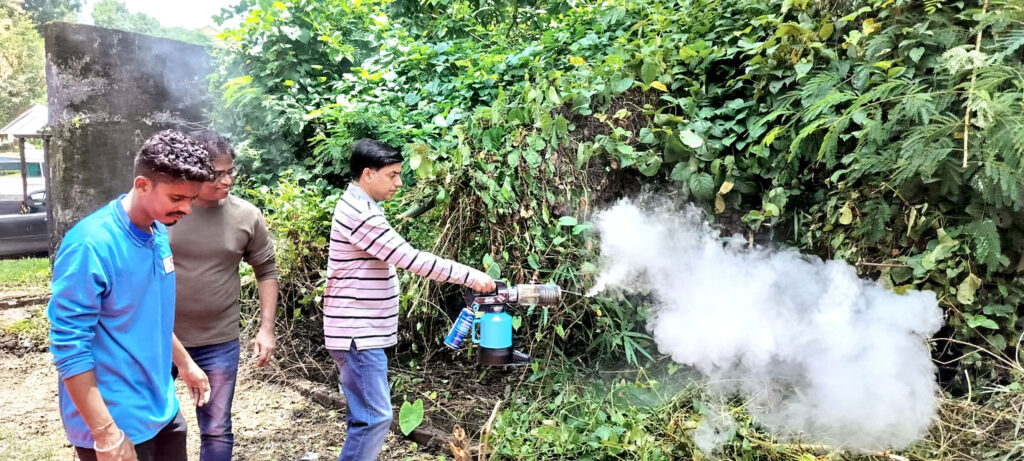
The club organised an anti-dengue campaign through a two-pronged effort from July-September, when rains batter this region nestled between the Yeoor Hills and the Ulhas River. First, Rotarians took up a social media campaign, and placed advertisements in local papers to educate people on preventive steps to ward off dengue. On the eve of Ganesh Visarjan, the Rotarians took up fumigation of small ponds created to immerse the idols.
An elaborate dos and don’ts poster titled Aapka Prayas, Dengue Khallas (with your efforts, dengue can be finished) was distributed among residents, shopkeepers and traders. “We formed a team of 12 Rotarians to fumigate public spaces like parks, roadside habitats, small ponds etc over three days,” says the club president.
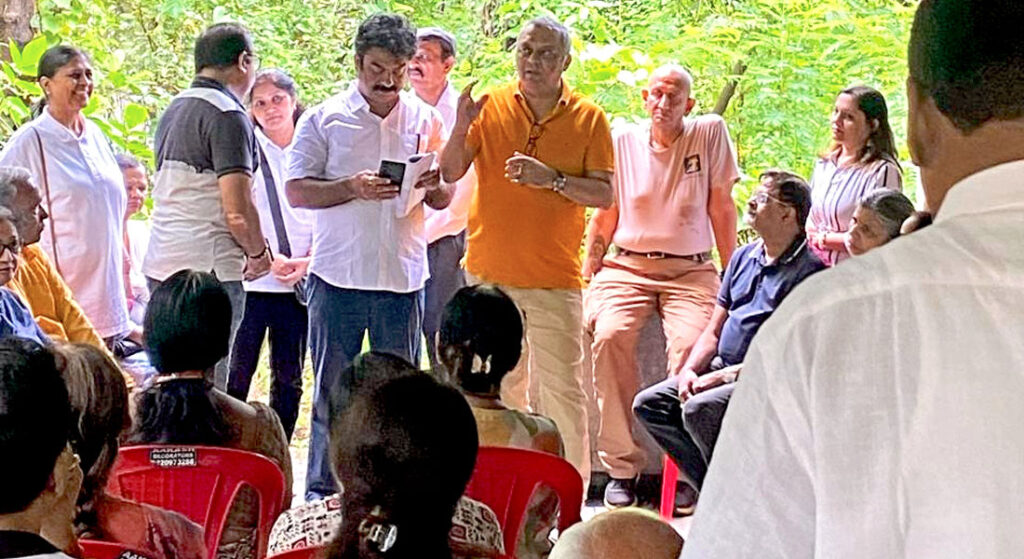
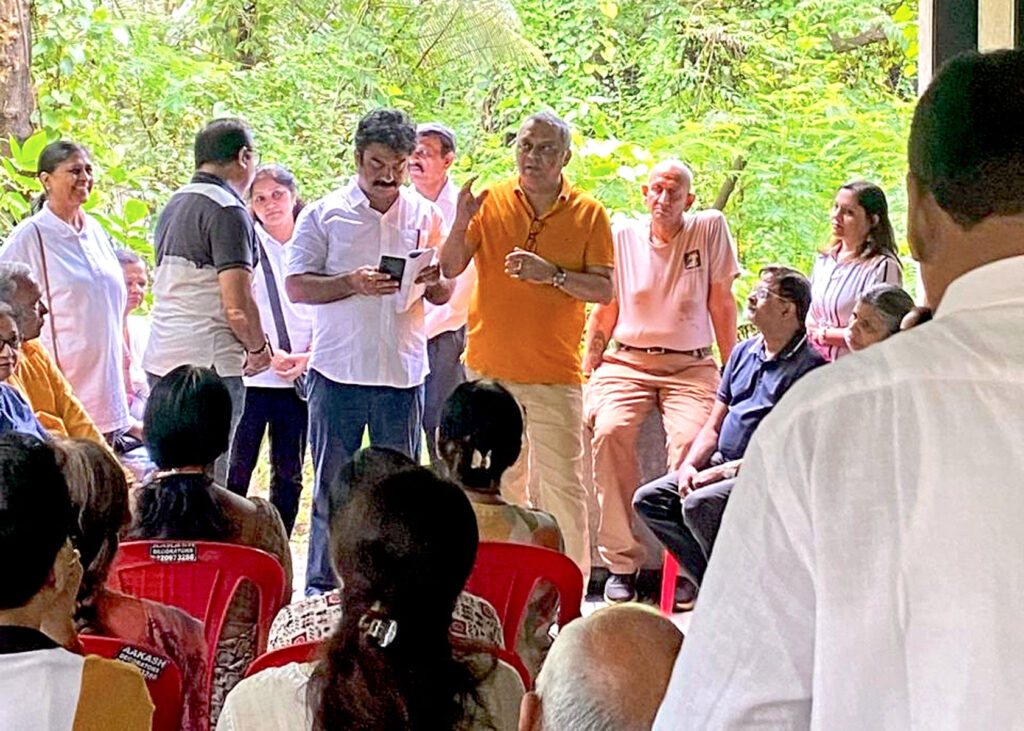
Secondly, they visited apartment complexes and spoke at their RWA meetings on the need to curb the spread of dengue through preventive steps. These efforts were appreciated by the residents.
The 18-month-old club has spent around ₹50,000 for its three-month anti-dengue drive. All the 40 members support their club’s initiatives. “Next year, we will join hands with the municipal corporation to expand our anti-vector drive during monsoon,” smiles Singh.