





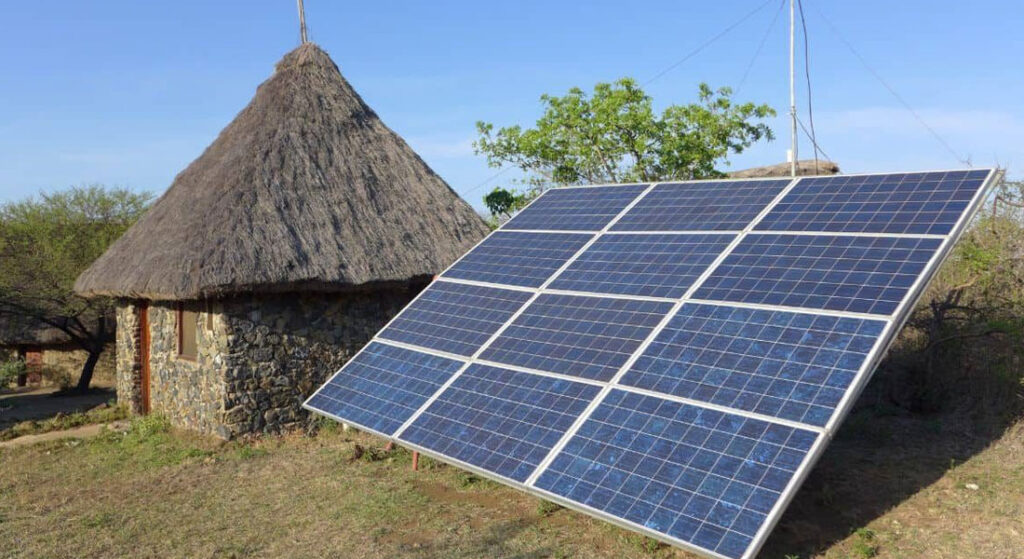
Let solar power help you negotiate the ongoing global energy crisis.
The energy crisis triggered by the Iran war has set off alarm bells in many quarters, including our homes and offices. More than anything else, a war being fought some 2,800km away has forced us to realise how fragile our lives are when we depend on a single source of energy derived from crude oil.
Identifying another source to fuel our daily needs suddenly became a priority for ordinary citizens. Many of us rushed to petrol pumps to top up our vehicles. In another knee-jerk reaction, we made a beeline for stores selling electrical appliances to buy an induction cooktop to address the cooking gas shortage. Such was the scramble for these appliances that department stores in Chennai reported running out of stock in no time. This must have been the story in other cities and towns as well.
But induction cooking is a short-term solution, since it, too, depends on power generated largely in our country from fossil fuels — coal, natural gas and petroleum. None of the three is an eco-friendly source of clean energy. And petroleum comes from crude oil, which is suddenly in short supply. So, where does it leave the individual citizen when it comes to cooking and the consumption of energy for lighting, running fans, refrigerators and air conditioners.
Government subsidies are available for certain categories of solar units and details are available on the website of the Ministry of New and Renewable Energy.
Luckily, there is light at the end of the tunnel from the sun, that perennial source of energy, some 150 million km in space. Governments and corporations have been tapping solar power to reduce dependency on fossil fuels and simultaneously reduce the country’s carbon footprint. As citizens, we can contribute to this effort while we downsize our electricity bills.
I know some of us are already tapping into solar power, but more of us need to join the party to make the earth a cleaner and greener place. So, this column will outline the pros and cons of incorporating solar power into your energy mix and why you should spare a thought for solar-powered cookers.
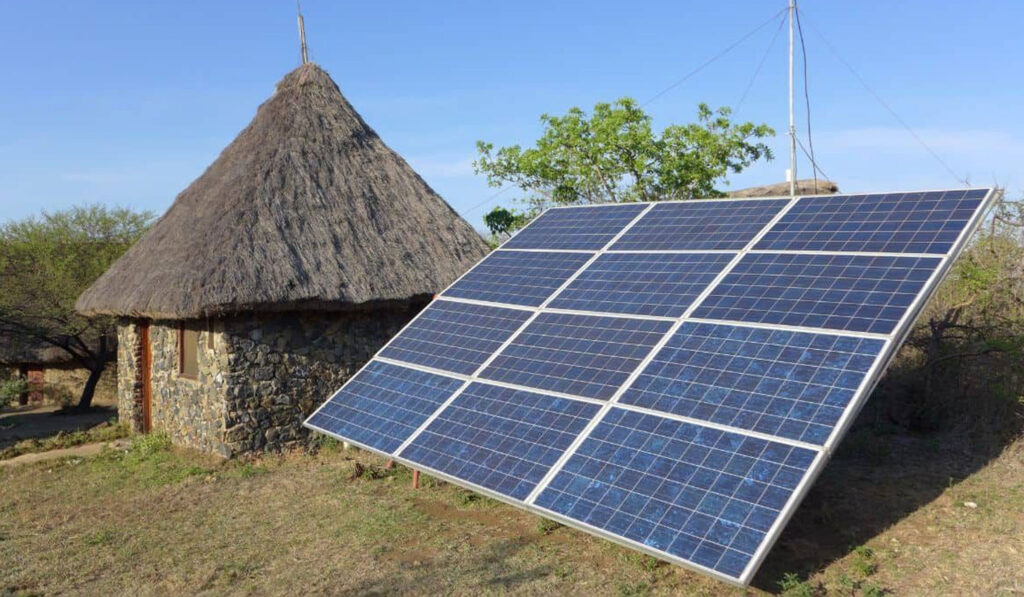
One lesson the Iran war has taught us is that we need to think long term about reducing our dependence on power supplied through the grid. Putting up solar power panels does involve initial cost. A basic solar panel system that can generate 1kW power costs anywhere between ₹50,000 to ₹80,000. According to information on the internet, the power generated is enough to run three ceiling fans, one LED TV, four LED bulbs, a laptop, a router and a small refrigerator.
People wrongly think that solar panels require high maintenance cost. The panels need cleaning once a month. Annual service costs ₹2,000–5,000.
Systems that generate higher power require a larger initial investment. Installing a 3kW system would cost ₹1.5 lakh to ₹2.4 lakh, while a 10kW one would require ₹5 lakh to ₹8 lakh. Government subsidies are available for certain categories of units and details are available about the various schemes on the website of the Ministry of New and Renewable Energy.
What keeps people from installing solar panels is the false notion that they require high maintenance cost. The panels indeed have to be cleaned once a month and an annual service check is required which costs between ₹2,000 and ₹5,000.
But this is a small price to pay when you consider the long-term energy savings. The power bill in an average home is likely to see a 60 per cent to 80 per cent reduction, though this depends on the number of sunny days in a year. Also, having a battery system that stores power could help on cloudy days. But power consumption is guaranteed to be reduced, and so too will your carbon footprint.
Coming to solar cookers, I was first exposed to them 21 years ago when I visited the home of a retired army officer in Yol, a cantonment town near Dharamshala. A group of us was invited for tea, and the lady of the house proudly took out a cake she had baked in a solar cooker recently installed on the edge of her lawn. The oven-fresh cake was delicious, and my fascination with solar cookers started then.
There are amazing advantages of using a solar cooker. First and foremost, we can save fossil fuels such as coal, kerosene and LPG. It also does not pollute the atmosphere, besides all nutrients are retained as food is cooked at a lower temperature.
Of course there are disadvantages too. If there is no sunlight, you cannot use the cooker. And the direction of the cooker has to be changed from time to time to catch the best rays of the sun.
The summer months in India are ideal to use a solar cooker. I have known people who cook one-pot meals in their solar cooker to save energy, and that may be quite enjoyable when the kids are on school summer holidays and need to be engaged in different activities. They could be taught the art of cooking dishes on a solar cooker or solar oven. This will hold them in good stead all their lives and teach them how to deal with an energy crisis like the one we are facing today.
There are some interesting designs and models of solar cookers available online, even ones that cost less than ₹6,000. The box solar cookers are very popular in India. However, it is best to read reviews and do some in-depth research before buying one.
There was a time when cooking on solar power was a hit-and-trial experience. But friends who use it frequently showed me a number of YouTube videos giving recipes for solar cooking. One of the websites that you could consult before going in for solar cooking is sunshineonmyshoulder.com. It even gives you recipes that will specifically please the children and make their summer holidays that much more special.
You must wonder why I am hard selling solar panels, solar ovens and solar cookers to you. Well, the truth is that I am passionate about saving energy and reducing the carbon footprint on the planet, be it during a war-generated fuel crisis or just peaceful sunny days.
The writer is a senior journalist who writes on environmental issues