





Grant Ennis, an environment expert from Monash University, while speaking on climate disinformation at a webinar I attended last month made a pertinent point. He said we keep using the expression “climate change,” which does not convey the real threat to our planet explicitly. Instead, he said, it would be better if we use “global warming” so that people realise where we are headed — to a hotter planet which impacts us immediately rather than a slow change in the climate which may seem distant.
He is absolutely on target. Global warming it is, and this month is predicted to be one of the worst in terms of heatwaves across our cities. Urbanisation and concrete infrastructure that is encouraged in cities has brought about the phenomenon called the Urban Heat Island (UHI) effect. This means that the city areas are significantly hotter than surrounding rural areas. This is caused by the concentration of buildings in cities, which means they have more concrete surfaces like pavements and less green spaces and few trees. The concrete surfaces reflect heat, increasing temperatures considerably.
This is a dangerous trend. During heatwaves, temperatures can touch the 50-degree Celsius mark, with serious consequences to environment, human and animal health. The poorer and more vulnerable the population, the more the impact of heat on their lives, health and livelihood.
Before we look at what damage extreme heat can inflict on our health, let us look at how we can gauge the severity of a heatwave and prepare ourselves. The India Meteorological Department (IMD) issues colour coded heatwave warnings that indicate the severity of a heatwave.
During heatwaves, temperatures can touch the 50-degree Celsius mark, with serious consequences to environment, human and animal health.
This is primarily to alert the disaster management authority and health officials to initiate appropriate action. But it can also help citizens. The four colour codes are: Green, which means things are normal; yellow tells us to keep a watch and stay updated; orange asks everyone to remain prepared; and red asks you to take immediate action.
Heath concerns during a heatwave are at several levels. It can lead to hyperthermia, a condition where the body’s core temperature rises above the normal temperature of 98.6 deg Fahrenheit due to failed thermoregulation when the body absorbs or produces more heat than it can release. This, in turn, can lead to a heat stroke when the core body temperature touches 104 deg F and requires emergency hospitalisation. Lesser manifestations to heatwave conditions include heat cramps and heat exhaustion which results in muscular pain, excessive sweating, weakness and dizziness.
In tropical climates, extreme hot weather can result in droughts and drinking water shortages which can turn into a health emergency unless supplies of potable water are rushed to the affected areas. Bacteria also thrive in a heat-intense climate leading to the spread of diarrhoea, cholera and infective gastroenteritis. Additionally, recent studies indicate that dengue and cardiovascular diseases see a spike during peak heat season in India.
If there is any discomfort like dizziness, weakness, body pain, exhaustion, fever or headache, move to a cooler area and call for medical assistance.
Needless to say the poor, old, children and those with pre-existing health conditions are the most vulnerable. So too are those engaged in work that exposes them to the sun like construction workers.
What can we do as citizens to protect ourselves and those who work for us? The IMD had drawn up some recommendations. Among those is the general directive of avoiding exposure to heat. This may be difficult for those who are engaged in outdoor work. But the ill-effects of such exposure can be minimised by keeping oneself hydrated by drinking plenty of water with ORS (Oral Rehydration Solution) added. Some ORS formulations come in a powder form in sachets and are mixed with water and drunk. At home one can keep lemon water, buttermilk and summer drinks in the fridge to cool off in the summer.
The IMD suggests avoiding working outside between noon and 3pm. This may be impossible for workers who are on eight-hour shifts but if they must work then they should be advised to carry drinking water and ORS replenishments to combat the heat. Also, a sensible management would consider giving them five minutes rest in the shade every half hour or 40 minutes.
This last recommendation from IMD needs to be taken seriously by parents with regard to their children. Behind the apartment block I live in is a stretch of open ground where children from the neighbourhood come and play cricket in the blazing sun. True, with summer vacations in full swing they have all the free time in the world. But cricket in the heat after an early lunch is not a healthy activity. However, they justify it by saying that IPL games are also played in the height of summer!
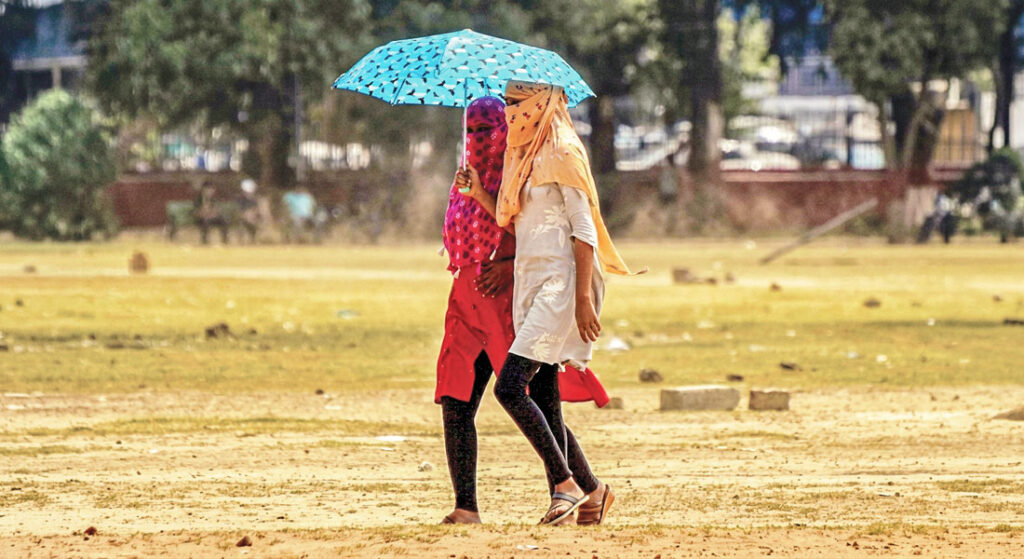
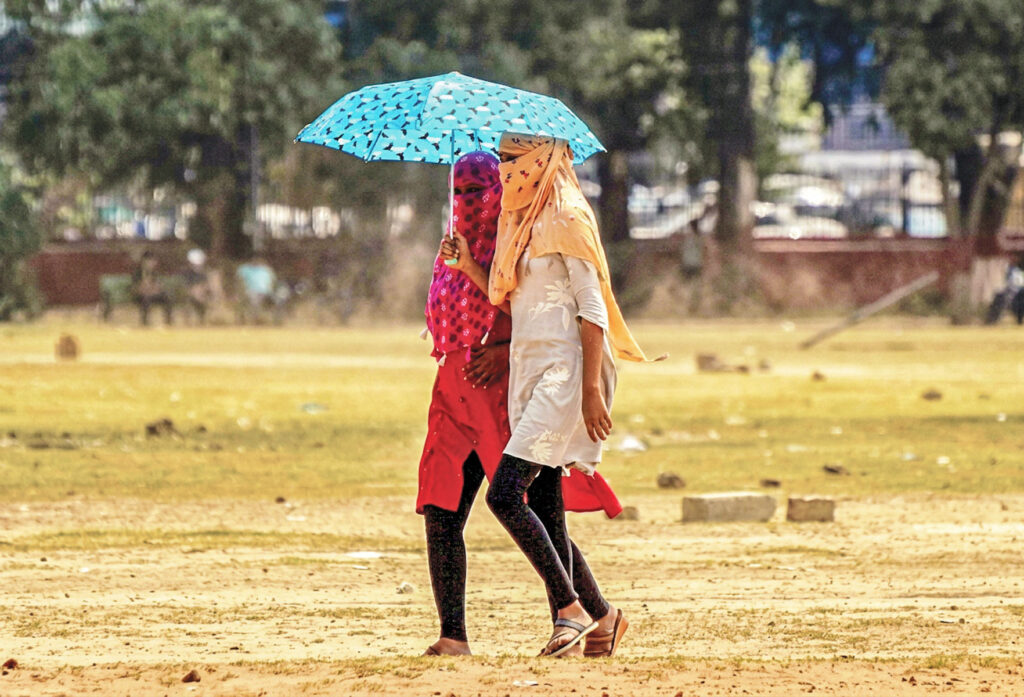
The ground rule is that strenuous outdoor activity must be avoided and those travelling must carry water and light juices. Coffee, tea and carbonated drinks like colas must be avoided since they dehydrate the body. Loose fitting cotton clothes are ideal for the heat and carrying an umbrella or wearing a cap can provide shelter from direct sunlight.
More than anything else, if there is any discomfort like dizziness, weakness, body pain, exhaustion, fever and headache, move to a cooler area and call for medical assistance. Till help arrives try to drink water or better still, oral rehydration solutions.
Extreme heat must not be treated lightly. As socially conscious citizens we must also pressurise the government and the civic authorities to be prepared. We might be doing our bit by reducing our carbon footprint, which is no doubt a commendable act. But that may not be enough. Grant Ennis noted in his presentation at the recent webinar that reducing your individual environment footprint may be good, but the difference you will make is small. Instead, we should be urging our governments to take climate action seriously, and pressure them to take the right policy decisions. While many of the cities now have Heat Action Plans, there are several loopholes in them and implementation on the ground is not as good as it should be.
The policymakers must act. A recent study by the Council on Energy, Environment and Water (CEEW) revealed that 57 per cent of districts accounting for 76 per cent of the population are currently in the high-risk category. At high heat risk are ten states — Delhi, Maharashtra, Madhya Pradesh, Andhra Pradesh, Uttar Pradesh, Tamil Nadu, Goa, Kerala and Rajasthan.
So, do try to do your very best to look after your health and stay cool this summer. As a green warrior, it is equally important for us as privileged citizens to try to make the world a cooler place.
The writer is a senior journalist who writes on environmental issues