

We started at the bottom of the evolutionary scale as quadrupeds, walking on all our fours. As our brains evolved, we became bipeds, walking on two limbs. This freed our arms for other activities and contributed significantly to the development of intelligence and civilisation.
Although walking is a natural skill, we are losing it as the motorised revolution has taken over the world. Today, hardly anyone walks. Even toddlers have motorised scooters, tricycles and battery- operated cars. Among adults, many are unwilling to walk even 100 metres without a vehicle.
Most of us want to lead active, independent, and mobile lives well into our nineties. Preparation for such a healthy life, barring unforeseen events, should ideally begin in the early teens, but it is never too late to start.
Current medical findings recommend at least 40 minutes of physical activity daily. Of all the activities suggested, jogging, running, swimming, dancing, or sports like tennis, walking is the easiest to adopt. It requires no special training or expensive equipment, can be done anywhere, does not need a partner, and is least likely to cause injury.
As we grow older, attention must be paid to a proper walking technique. Slouching, poor posture, and an improper gait are avoidable pitfalls. While walking, hold your head high and the neck straight. The eyes should be focused 15–20 feet ahead, the chin parallel to the ground, the abdomen gently pulled in, feet placed shoulder-width apart, and arms swinging naturally at right angles to the body, not across it.
Walking first thing in the morning has several advantages. Muscles rested overnight, and mental alertness both get “kickstarted.” Later in the day, other commitments or visitors may interfere with the routine.
There are different types of walking. A casual stroll or amble does not improve fitness. If you can sing or carry on a long conversation while walking, you are nowhere near achieving 50–80 per cent of your target heart rate (calculated as 220 minus your age).
During a brisk walk, you should be able to cover one km in 9–10 minutes, breathe faster but not feel breathless, and speak only in short sentences. Aim for under 10 minutes per km.
Power walking involves a speed of about 8km/hour, with arms pumping vigorously.
Race walking is an Olympic sport in which one foot must remain in contact with the ground at all times.
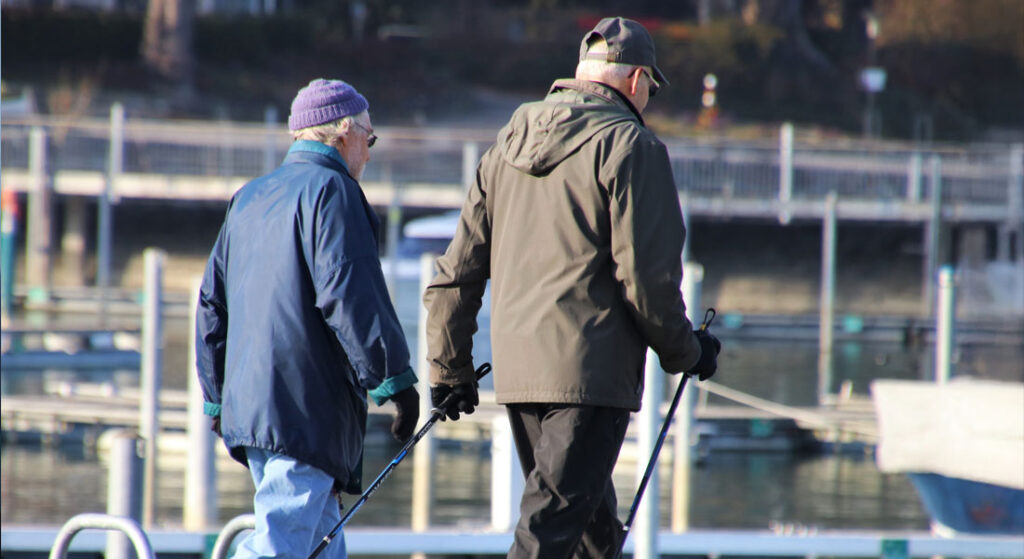
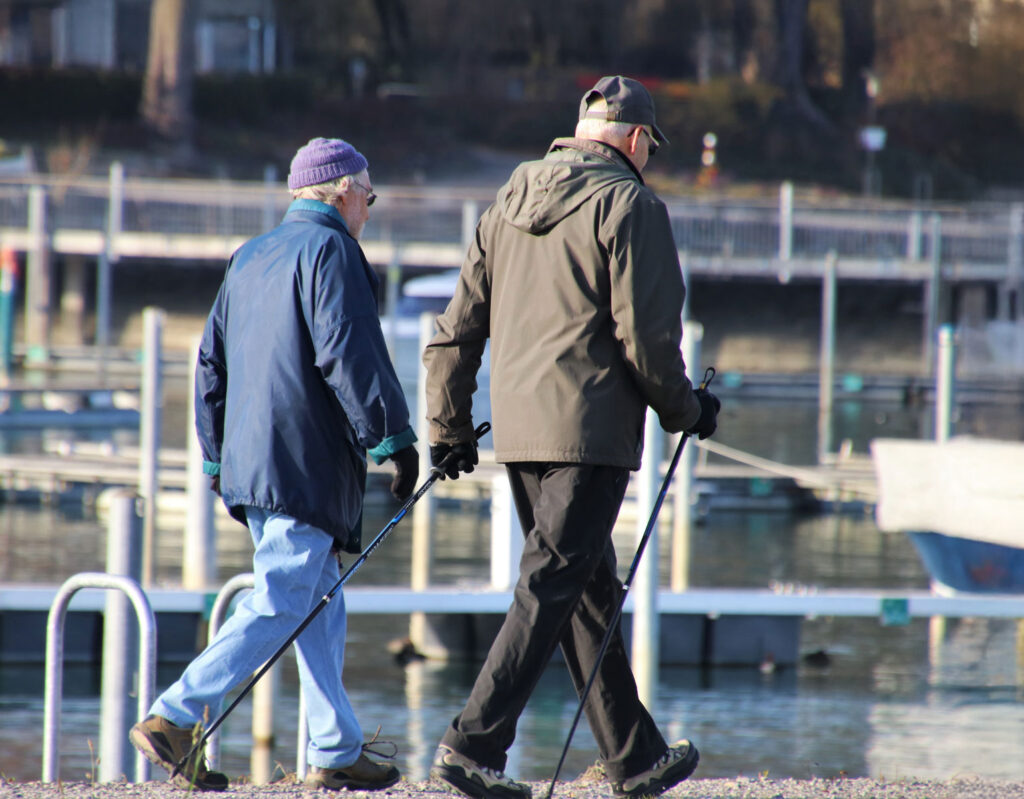
Nordic walking uses two ski poles, which dig into the ground on either side, engaging the upper body as well. It is efficient and practical; the poles can even help ward off stray dogs, monkeys, or chain-snatching miscreants.
If you are confined indoors, you can try spot walking in a V-shape. Even for this, proper footwear is essential.
Infinity walking is another safe and popular method. On a terrace or garage, imagine a central point and walk in a figure of eight. The Japanese have improved its effectiveness with the 3-minute rule: walk for three minutes, then jog or run slowly for three minutes. Since most songs last about three minutes, listening to music makes this routine easy to follow.
Maintain an upright posture with the head straight. Breathe through the nose with the mouth closed, and avoid clenching your hands into fists. Efficiency and balance improve if you occasionally include backwards walking in your routine.
If you have not exercised for a long time, walking is gentle and places minimal strain on joints and muscles. Start with 10 minutes a day during the first week. Gradually increase the duration, speed, and distance each week until you reach 4km in about 45 minutes. Focus first on time, then on speed, never both simultaneously. Doubling the distance on weekends or holidays provides an additional cardiovascular benefit.
Stretching gently before and after walking helps prevent injury and improves muscle efficiency, even if it seems like a waste of time.
In senior citizens, lack of physical activity first makes climbing difficult, then walking, then standing, and eventually even sitting. Prolonged immobility can lead to postural pneumonia, muscle atrophy, cognitive decline, and premature death.
When advised to exercise, many people protest, “I don’t have time, doctor. You can’t imagine how busy I am!” In reality, everyone’s life is hectic; even those who spend hours watching television serials cannot afford to miss an episode. (Though you can do spot walking at that time).
Starting to walk is easy. All it requires is willpower and an end to procrastination.
The writer is a paediatrician and author of Staying Healthy in Modern India.