





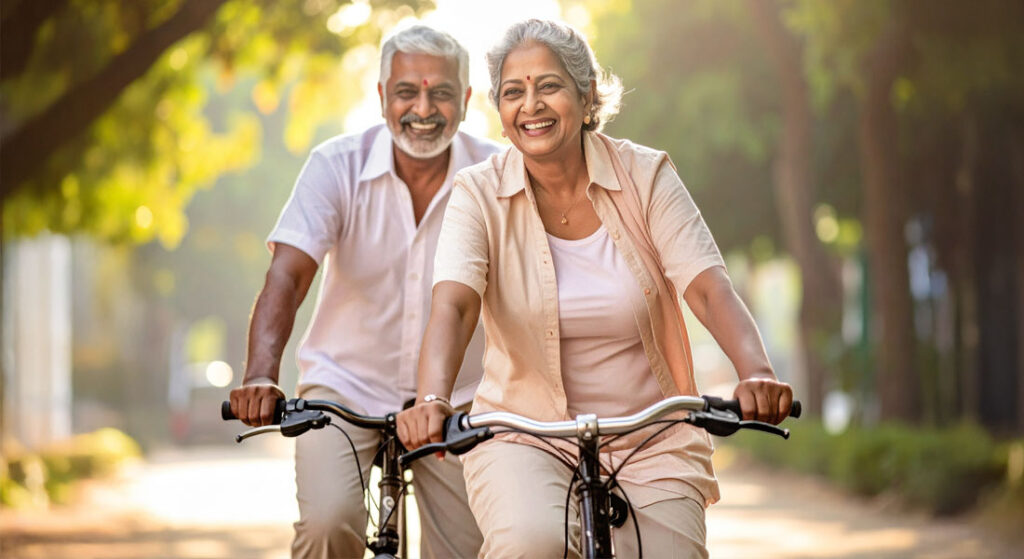
India, along with the rest of the world, is ageing rapidly. It is a scary proposition. Even with financial security, a failing body and a forgetful, slow- reacting brain make coping with life difficult. Additionally, children may reside in distant countries. Social security benefits are limited, and finding domestic help may be challenging.
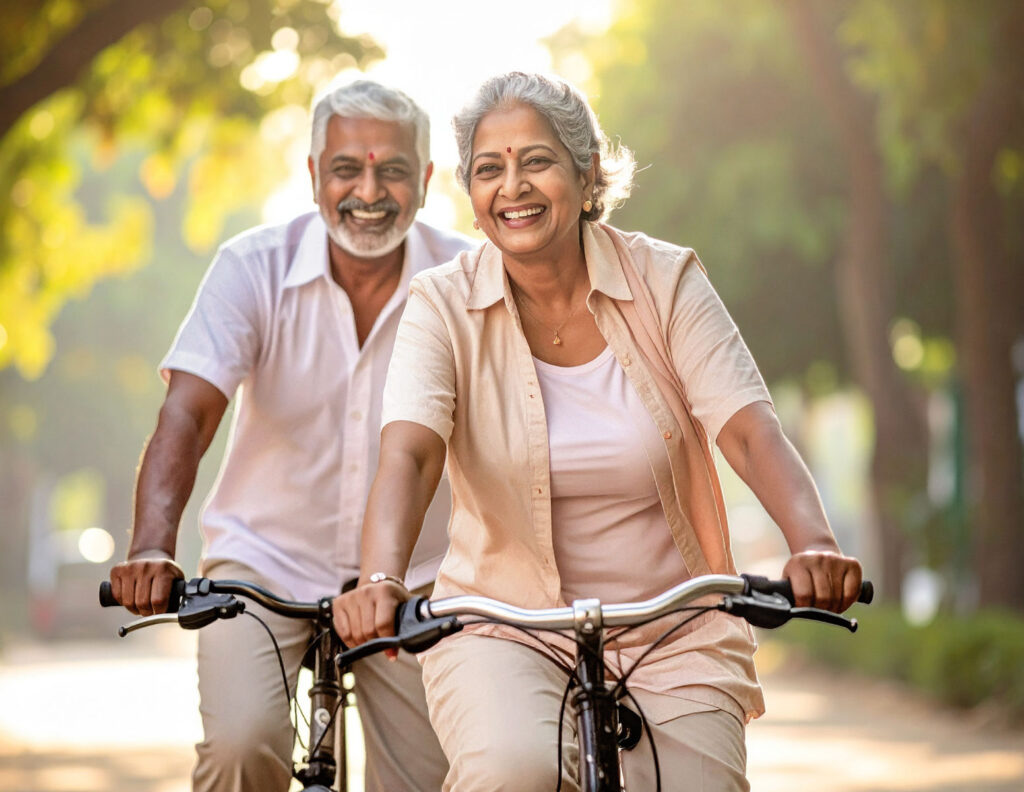
This has led to a plethora of anti-ageing advice on social media, in medical journals and anecdotes. Some wealthy people sit in hyperbaric oxygen chambers and devote a greater part of their day to anti-ageing devices. Many treatments are unproven, and some may be dangerous.
We all start life at conception as a single cell. It multiplies at an unbelievably rapid rate to form a baby. The cells continue to grow as the child grows and matures. Then, all of a sudden, in early adulthood, growth stops and gradually senescence sets in. Cells do not divide as rapidly as they used to. Repairs to damaged body parts are slow or do not occur at all, as with ageing, cells lose the ability to divide and replace lost or damaged tissue. The mitochondria within the cells become less efficient. The ends of the chromosomes (telomeres) break off and become shorter. Our immunity decreases.
Ageing is an inevitable biological process, not a disease. It is a time-dependent functional decline that affects every part of our body. DNA damage is considered a primary driver of ageing, controlled by genetic pathways, which regulate metabolic efficiency and defences against age-related damage.
By the mid-thirties we start losing muscle at the rate of 1–2 per cent every year. Balance becomes a problem, joints ache, and lifting that “carry-on” into the overhead bin becomes a herculean task. It contributes to a decrease in aerobic capacity, and fatigue sets in faster.
The factors that affect ageing are complex. They are partly hereditary, genetic and partly environmental. We may inherit good genes, but if we are constantly exposed to toxic, polluted and an unhealthy environment, as in the air we breathe, and the food and water we consume, then ageing and death are likely to occur at a faster rate.
Most people do not want to age. If they must, they want to remain healthy and free of incapacitation. Many people search for a magic potion which, if taken with minimal effort, will keep them young and fit for life. All kinds of theories and advice circulate on how to “remain young forever,” but much of it is unscientific and unproven.
The genes we inherit are not under our control, but the rate at which damage sets in can, to some extent, can be influenced. This is not achieved by some magic elixir or by drinking a glass of red wine daily (containing resveratrol), under the mistaken impression that it will retard ageing. Some wealthy individuals resort to hyperbaric oxygen chambers and other expensive gimmicky contraptions, but this is impractical for most of us.
Life expectancy in Japan is high. There are many centenarians. Their emphasis on family, government support and daily calisthenics well into old age are contributing factors. They also experience less stress, with strong family ties and a government that provides a good quality of life and social security to seniors. This has led to a fascination with Japanese practices.
Genes control our lifespan. If you are blessed with good genes, unless you do something to drastically cut short your life, you will probably live as long or longer than your parents.
To age well and look good:
• Exercise aerobically. Walking, jogging, swimming, dancing, or cycling for 40–60 minutes a day, at least six days a week. Muscle attrition slows down. Strong muscles provide good balance and hold joints in place, decreasing the risk of fall and preventing incapacitating joint pain.
• Do strength training with 2–5kg dumbbells with at least 30 repetitions on each side. You can also walk holding 2kg dumbbells or wear a weighted vest to increase exercise efficiency. Try Japanese interval walking: 3 minutes at a fast pace where talking is difficult, followed by 3 minutes at a slower pace.
• Practise yoga. Eye exercises help prevent rapid deterioration of eyesight, ear exercises help with hearing, and balance exercises prevent falls.
• Avoid toxins such as smoking, alcohol and fast food.
• Diet. The Japanese do not take a second helping of food, even if it is delicious. They follow the Hara Hachi Bu principle (eat until 80 per cent full), which helps prevent overeating. Eat only until the edge of your hunger disappears.
• Control lifestyle diseases that you may have unfortunately developed.
• Do not underestimate the power of natural oils. Massage your face and body with a mixture of 250ml coconut oil, 250ml sesame oil, and 100ml castor oil. Leave it on for 10 minutes and wash off. Your skin will retain its youthful glow.
Here’s to healthy ageing for everyone.
The writer is a paediatrician and author of Staying Healthy in Modern India.