





Green is the way to go this festive season.
Festivals are celebratory by nature all over the world. People dress up for events, they let their hair down, forget their blues and spread good cheer. In India we take our festivals seriously and pull out all the stops in making them joyous and full of warmth. We are at that point of the year when we have three mega festivals ahead of us: Diwali, Christmas and the New Year.
Even 50 years ago if someone dared to write about making festivals environment-friendly, he or she would be dismissed as a killjoy and a party pooper. But today we know that while letting the good times roll, we must give Mother Nature a thought and make it easy on her. So, with the confidence that we have a much more enlightened and responsible citizenry, I thought it would not hurt too much to share some information on how we could have cleaner and greener fun.
Before I venture forth, I must add the rider that I love festivals and the unadulterated joy and bonhomie that they bring. Last month was Ganesh Chaturthi and, in the colony where I live in Chennai, the occasion was celebrated with great enthusiasm. Ganesh pooja was held for several days and there was a pandal where an idol of Ganesha was installed. It was later taken out in a procession to be immersed in the sea.
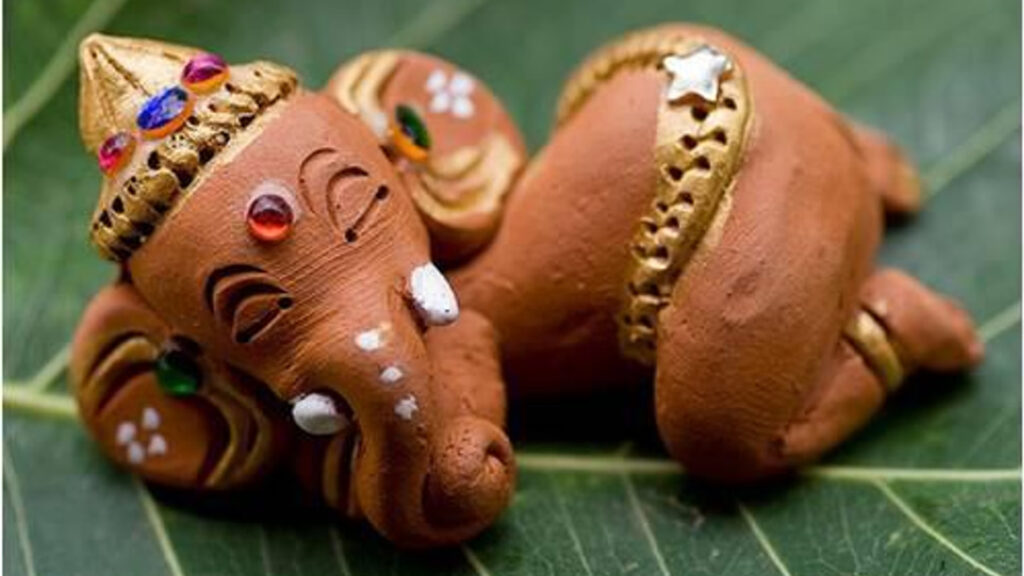
The pooja reminded me of how a friend of mine celebrated Ganesh Chaturthi in Delhi. Though she made it a point to install a Ganesha idol at home every year, she also scouted the markets for the most eco-friendly idol available of the right size. She would dress it in flowers and leaves, use earthenware diyas for the daily aarti, serve lunch to everyone in her clayware, and on the day of the immersion she would use a bucket to immerse her beloved idol. In around ten minutes, the idol would disintegrate and the water would be used for the plants, blessing her garden and home.
It is these little thoughtful gestures that differentiate a green warrior from the rest. With a wee bit of effort, it is possible to ensure that we celebrate a green Diwali this month. So, how does one go about it? The first step is to be aware that smoke-emitting crackers are a massive reason for deterioration in air quality, and a serious health hazard for infants, children, the sick and the elderly. If we can desist from buying such crackers and explain to our children their impact on the environment and health, we would have won half the eco-battle.
Some thought must also be given to avoid or minimise the use of loud crackers that add to the noise pollution levels in our cities. Pets, animals and birds find the sudden and intermittent burst of noise extremely disturbing. A weary foreign couple on a visit to Delhi told me that they had a rough, sleepless night on Diwali day and felt they were in a war zone!
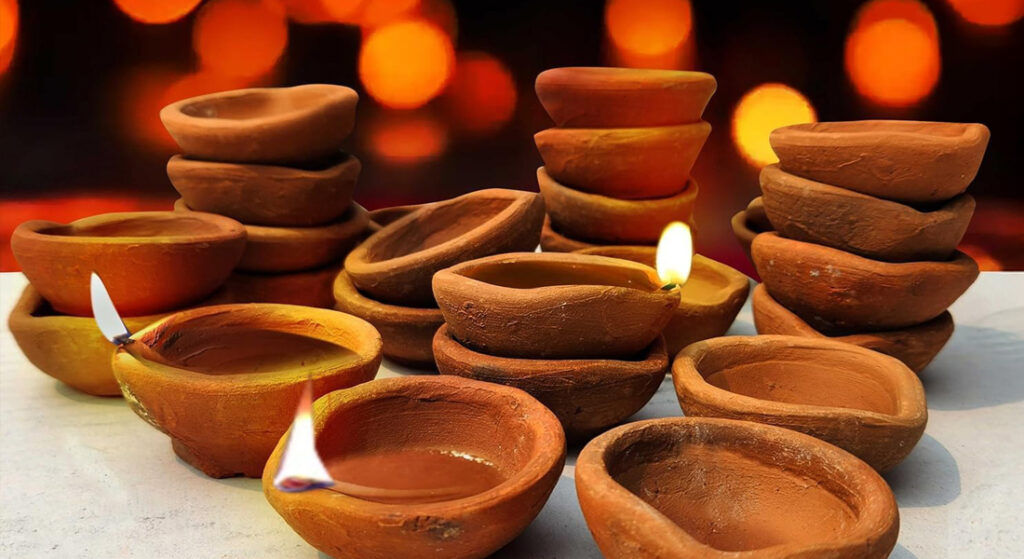
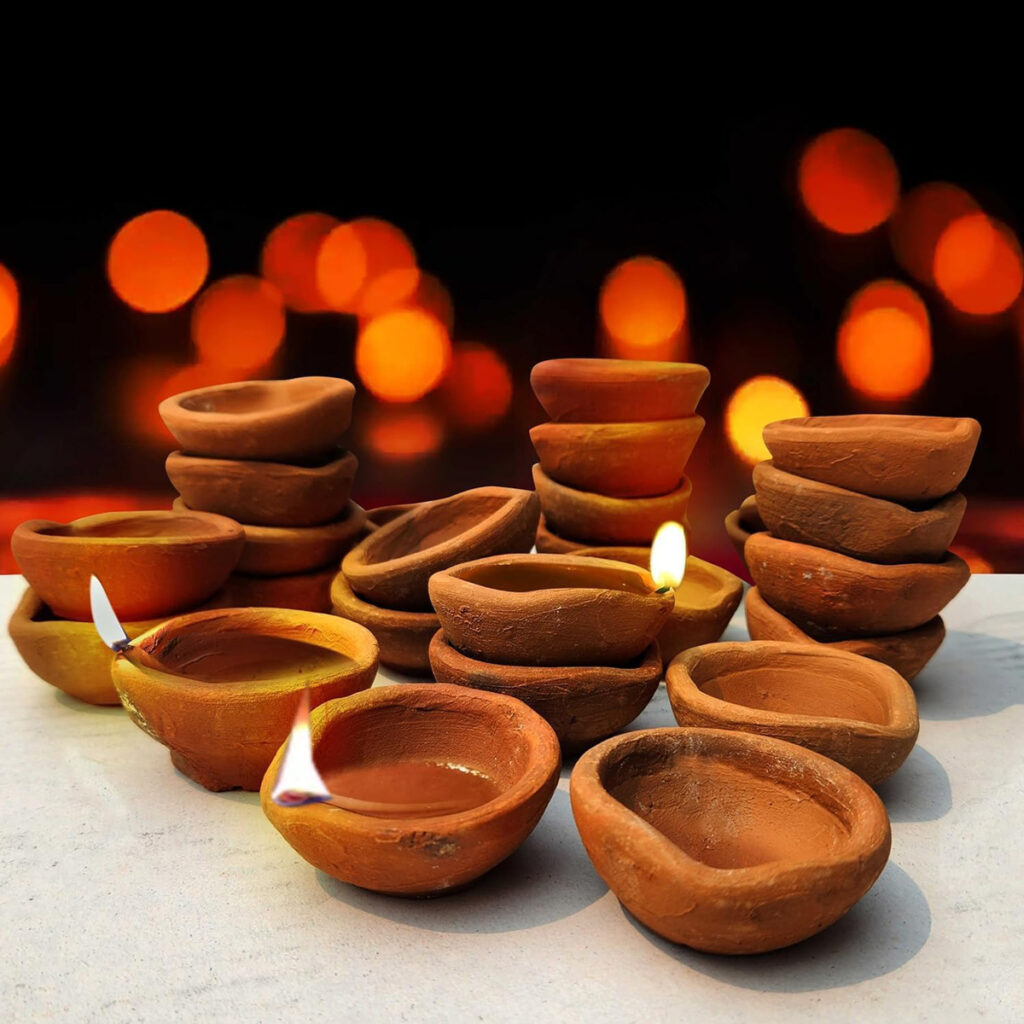
Other gestures that will help to make it a sustainable festival include wearing our best clothes, and not buying new ones as reducing our carbon footprint on Diwali is the best gift we can offer Goddess Lakshmi. If you use only clay earthenware or candles for lighting the house, use leaf plates for prasadam and larger leaf or sugarcane bagasse plates and wooden spoons if you are serving a meal, you would have done the planet a world of good. The rule holds true for Onam, Eid and other festivals too. Though single-use plastic is banned in India, cheap plastic cutlery is widely used across the country. A sad reality.
And if yours is a very large gathering in a colony or institution, it would be wisest to try and avoid using PET bottles for water. However, if that is unavoidable, it would be best to put in place a system of collecting and disposing them off responsibly. The automatic bottle flaking machines manufactured by Biocrux installed in malls, railway stations and other public places are very useful. You just have to feed the empty PET bottle into the machine; it disintegrates, and the flaky remains are recycled to make other products.
Christmas too can be a truly green festival. Just use the same decorations for your Xmas tree year-after-year (I know of many people who do) and you will not be tilting nature’s balance. Here too, as in Diwali, the feast could be eco-friendly and the clothes, your Sunday best. The one thing that can make your Christmas even greener is if you ensure that every Christmas gift that you give is either made by hand or produced from sustainable material. That would go a long way in changing the thinking and expectations of the younger generations as well.
One of the pleasures of Christmas is playing the Secret Santa game in offices or classrooms. Here lots are drawn on who will prepare a Christmas gift for a colleague. I remember, at one of these I participated in, the rule was that the gift had to be simple, cost less than ₹100 and must be your own creation or it should fall within the ‘green’ ambit. It really set minds thinking and made colleagues aware of a host of eco-friendly options. People came up with the most innovative gifts.
Similar practices at New Year celebrations can do the trick. It could make parties much cleaner, healthier, and generate much less or no waste. One of the party rules could be to clean up before leaving, segregate the garbage into ‘wet’ and ‘dry’ for the bins. It will give the hosts so much respite as well as inculcate a habit that will go a long way.
Last, but not the least, a perfect New Year game could be to make guests think of a resolution, (and commit to it) that helps them go green in the coming year!
The writer is a senior journalist who writes on environmental issues