



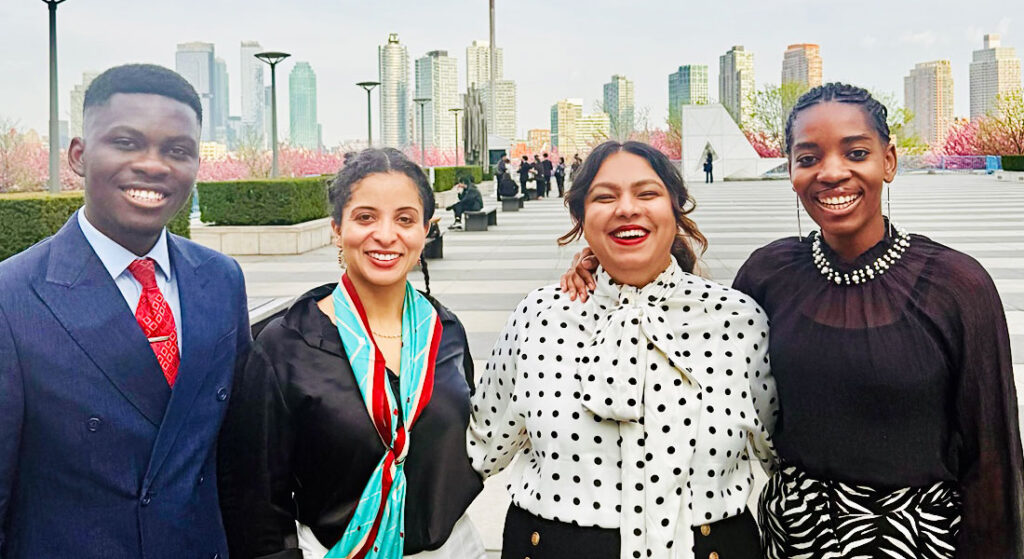
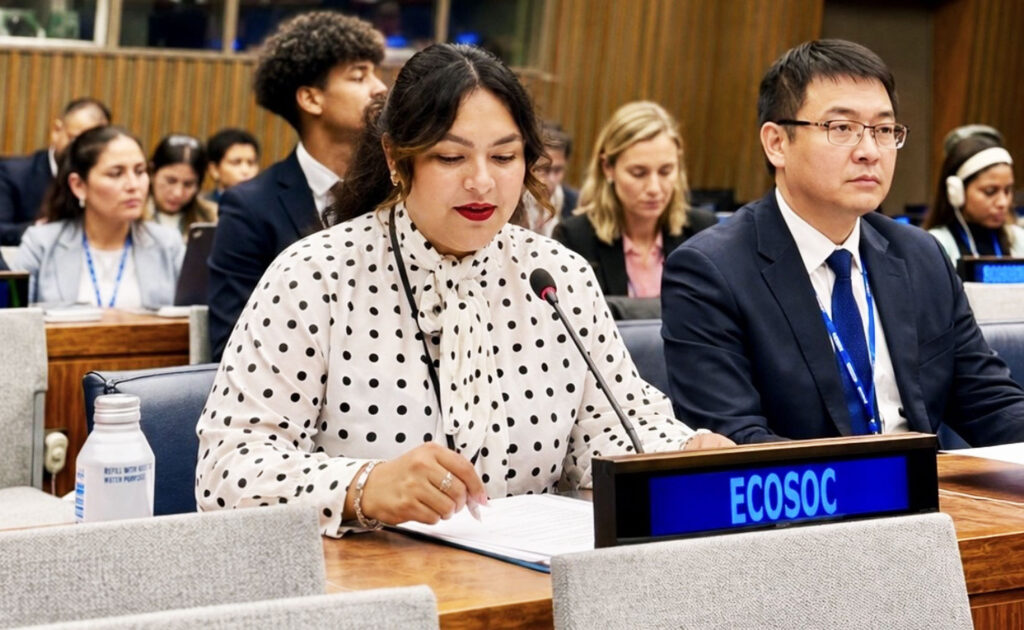
A Sri Lankan Rotaractor, Fathima Haneekah Rahil, got the unique opportunity to participate in the 2026 ECOSOC Youth Forum held from April 14–16, 2026, at the United Nations Headquarters in New York.
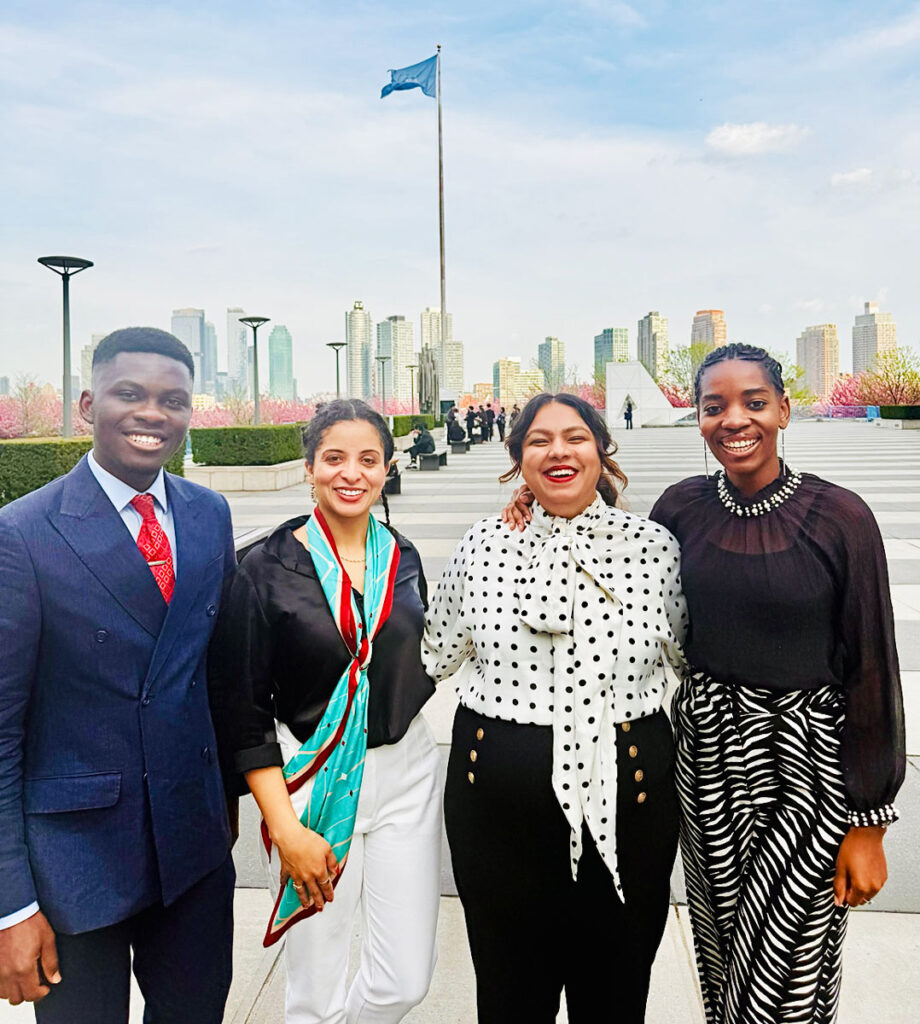
Asked how she got the opportunity to participate in this prestigious event, she says that she is presently the global coordinator for the |Commonwealth Youth Peace Ambassadors Network (CYPAN), and along with another youngster from Pakistan got this opportunity at this UN meet.
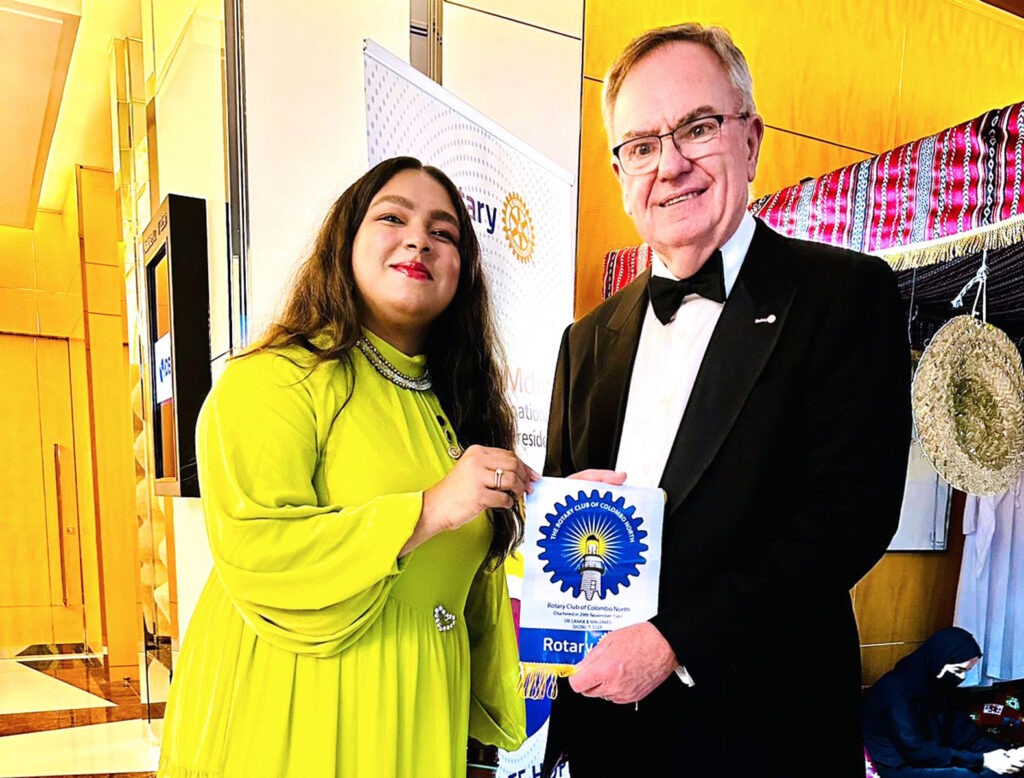
Haneekah is both a Rotaractor and a Rotarian, and has already served last year as the president of the Rotary Club of Colombo North, a 56-year-old and prestigious club in Sri Lanka.
Her Rotaract journey was not “at all planned; a friend who was a Rotaractor introduced me to Rotaract, I joined the organisation and found my life partner there. He was the DRR,” she smiles.
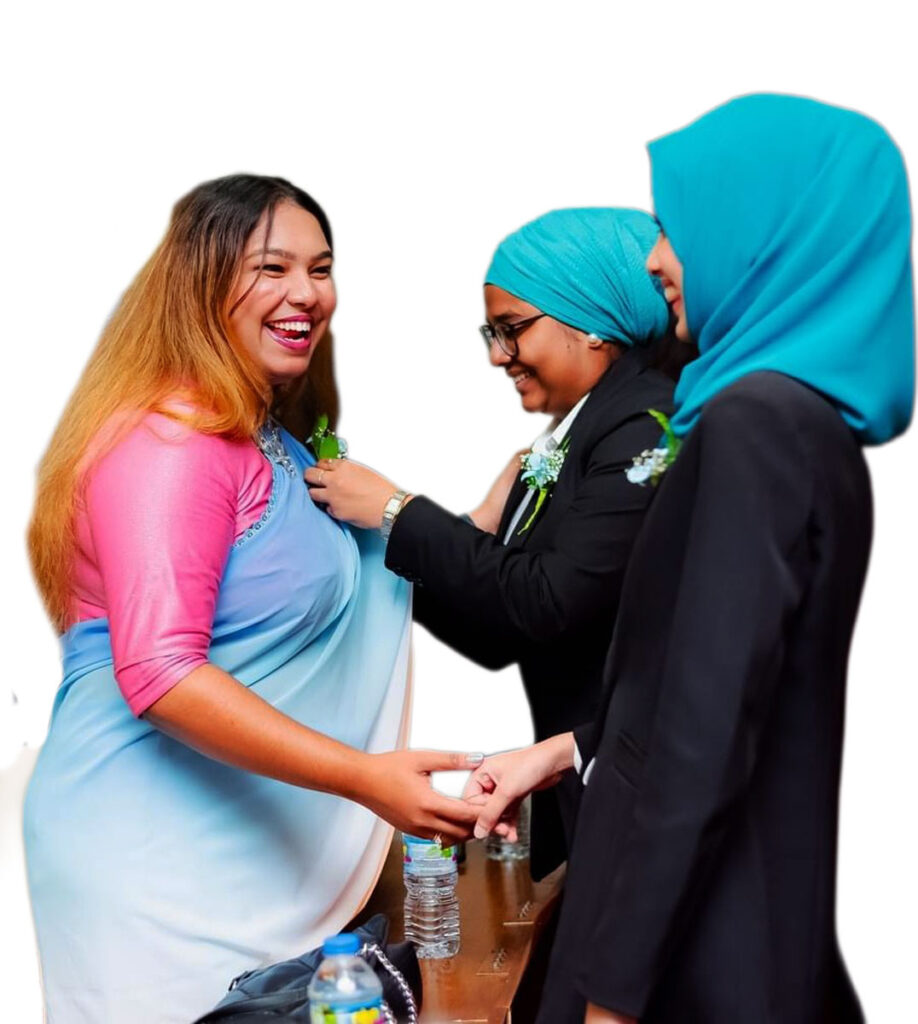
Asked what Rotaract has given her, she says, “Rotaract has definitely shaped the way I look at the world and myself. Rotaract helps you network, meet like-minded people who can be relied on. So, Rotaract has been a very strong influence in my life.”
The New York meeting was a three-day programme where many young people were present and they all had the opportunity to meet the Assistant UN Secretary General.
On the kind of concerns the young people raised there, Haneekah says “one of the strongest messages was that young people do not want to be just consulted occasionally, but want to be meaningfully involved in finding and shaping solutions to the serious problems our world is facing today. They also want to be actively included in governance.”
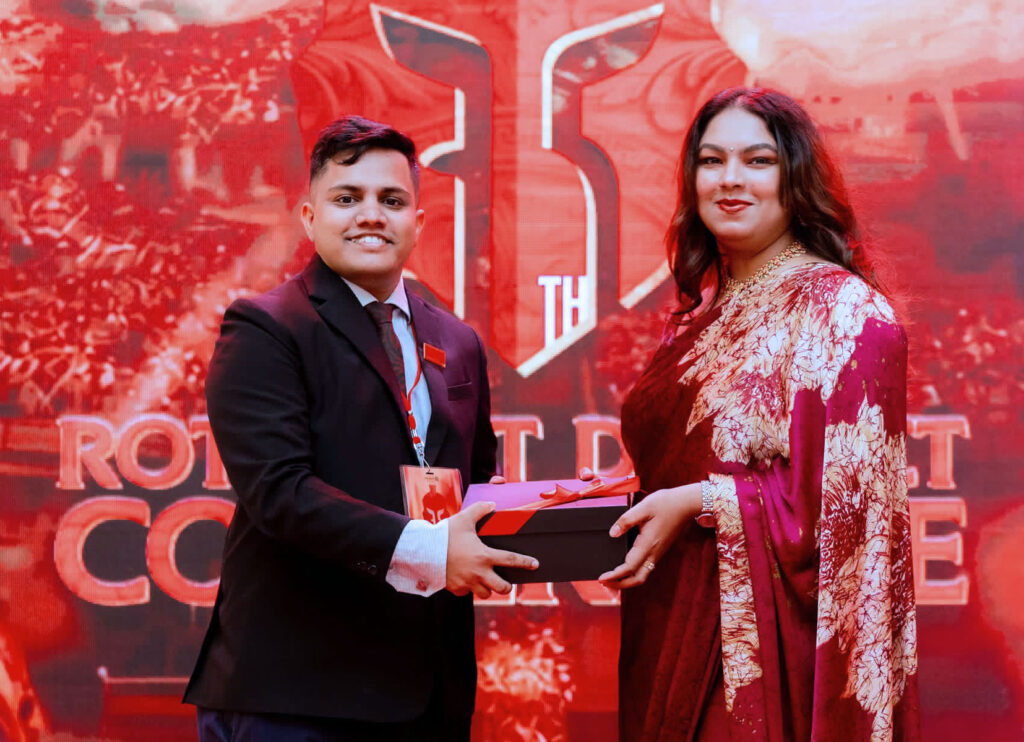
The discussions touched varied aspects of life, including employment, education, digital transformation, mental well-being and climate resilience.
AI was, of course, discussed and another main topic on the table was the significant shift happening in the world due to AI. “A lot of attention was paid to how AI and emerging technologies will affect jobs, learning, and civic participation in the coming days.” She adds that she was amazed to find that so many delegates were “raising similar concerns, whether they were from the Caribbean, Africa, South Asia, or other countries. Many young people were asking the same questions: how do we access opportunities; how do we build resilient communities. Basically, what the young people wanted was a shift from participation to partnership.”
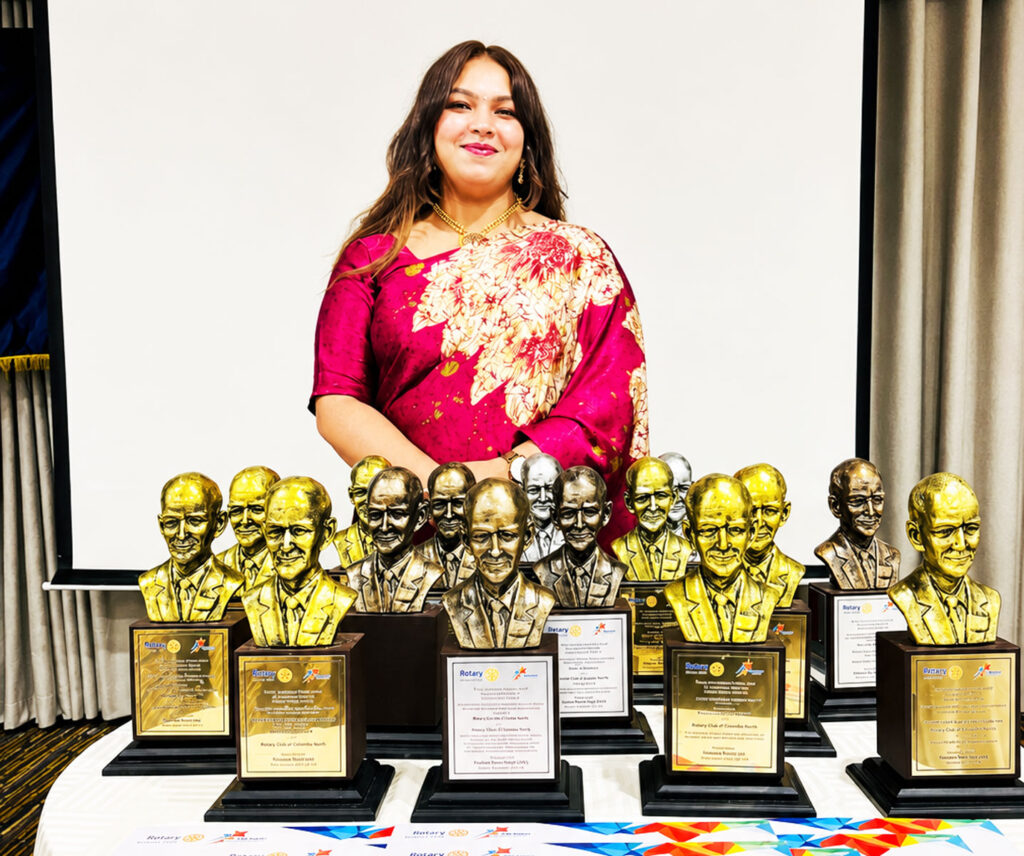
This young lady, who has a Masters degree in Law, also serves currently as the co-chair for Programs and Partnerships within the Task Force for the upcoming Commonwealth Heads of Government Meeting (CHOGM) 2026, which will be held in St John’s, Antigua and Barbuda, from Nov 1–4. In this role, she contributes towards youth engagement, strategic partnerships, and programme development connected to the summit.
Here, she told Rotary News, she will be co-chairing the programmes at Commonwealth Youth Forum, which is going to be part of CHOGM, with its main focus on youth employment, entrepreneurship, digital innovation and climate resilience. “It is the diversity of the Commonwealth nations that excites youngsters; so whether it is a small island state or an African or South Asian nation, young people are looking for meaningful opportunities and consultations on employment, entrepreneurship, and so on.”
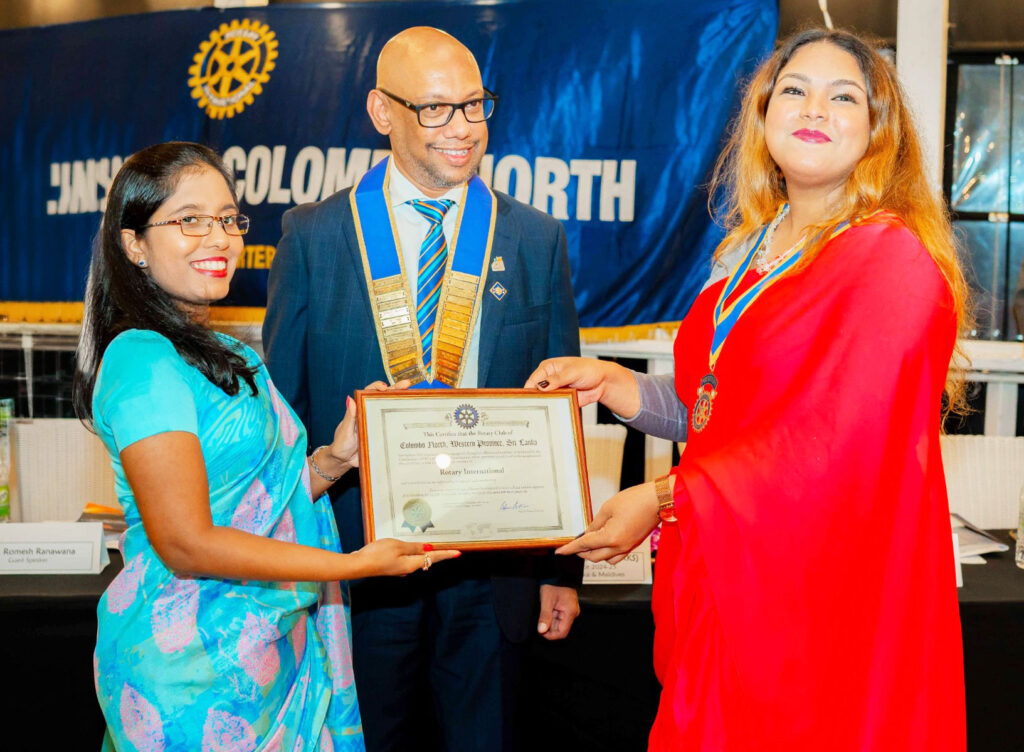
Asked whether the youth are looking at AI as a challenge or an opportunity, Haneekah says that would vary according to perspectives of different people. “It is an opportunity and not a barrier for the young because AI can support you in many ways. You can already see how many young people are thriving with AI. They’re not looking at it as an obstacle because there are certain things AI cannot do. AI is not a human, but can help humans. Once you think and understand that, you can make good use of AI and not think of AI as competition. That’s what I believe.”
Asked to elaborate on her view that young people should not be mere contributors, but active participants in shaping the policies of the world, she says, “Normally young people are included once decisions are made. They’re often invited into rooms and asked their opinion after the decisions are made. I have travelled to many countries representing CYPAN, and find this happening.”
But what young people want today, she continues, is for policymakers eople to “call and involve us while the decisions are being made… from the beginning and not afterwards. That will be meaningful participation. This will enable them to bring issues on the table, look at them from their lens, perhaps at a different angle, and help design solutions.”
But, she cautions, this doesn’t necessarily mean it’s youth versus older generation. “I believe the goal is intergenerational partnership. Filling the gap is important.”
Haneekah is currently a director of the World Commerce Lanka, her family company dealing in import-export, apart from being the CYPAN coordinator which is also a paid position.
I next quiz her on the involvement of youth in the political upheavals; transformations in Sri Lanka, Bangladesh, and the vote of youngsters that brought about a change of government in Tamil Nadu, India. Does she think a time has come for young people’s active participation in the way governments are formed or work?
She says the specifics in the political environments of different countries are different, so they can’t be compared, “but what interests me is the broader trend of young people demanding greater voice in the decision-making process to safeguard their future. Also, what is definitely undeniable is young people across the world becoming more engaged in public life, compared to the past.”
This she feels is a global trend and gives the example of the New York mayor Zohran Mamdani, and the social media campaign he ran for his election. “It attracted the young people because with social media and technology, we all have news at our fingertips. We are well aware about what is going on in the world, and the youth want to influence, I think, beyond elections… it can be digital, advocacy related, entrepreneurship, anything. Today’s youth want to get actively involved in these platforms. That is what is changing; global technology trends are influencing the young, they want to voice their views and their own decisions for the future… because we are the future, right?”
Does she really believe the young can make a tangible difference to our world today? “What I think is that young people do not want to sit at a table for symbolism. They want meaningful role in shaping the solutions. Only if this opportunity is given, whatever they say can make a tangible difference. Or else, what they say will just remain a voice, it won’t be driven into policy. That is the difference we are talking about. We can give interviews, go to conferences, as I have been to so many Commonwealth nations; but what we seek is to be involved in the decision-making process for us to change or shape the future for youth.”
Coming to what being a member of Rotaract and Rotary has given her, she says “A lot; even my involvement with Commonwealth and other agencies… the qualities I have, public speaking, being proactive, critical thinking, and knowing what to do when things are falling apart and take quick decisions… all these have come from what I’ve learnt in Rotaract and Rotary.”
On how she sees Rotary’s future, Haneekah says she joined Rotaract in 2018 and Rotary in 2020. In the last six years, first in RC Cinnamon Gardens as the youth services director, and later as the president of RC Colombo North (to which she moved as her husband was a member there), she found the Rotarians embracing a young Rotarian like her, and being just one call away if their assistance was required. “Sometimes, such transitions are not easy and smooth for everybody, but both the clubs’ members made it very seamless. I genuinely believe that is how the future of Rotary also should be; welcoming young people and willing to fill that intergenerational gap and giving them more responsibilities.”
If senior Rotarians can be welcoming the young members and support them, then the organisation would thrive. “I am very fortunate to have lots of past presidents… an army of past presidents… helping me out all the time.”
To arrest Rotary’s falling membership, there will have to be a better connect between Rotarians and Rotaractors. This year, she is the DRR for RI district 3220, Sri Lanka and Maldives, and she would work with the district governor and Rotarians to try and see that from the 80-odd Rotaract clubs in her region, a serious attempt is made to get at least half of the Rotaractors join Rotary clubs as members.