





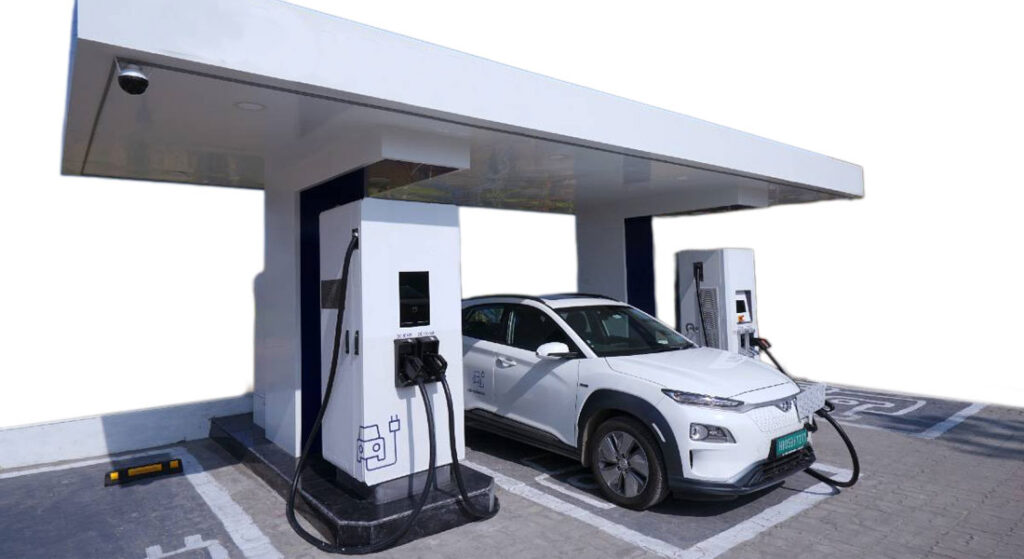
With the government pushing for EV adoption, your next car is most likely to be a non-fossil fuel one.
It is now abundantly clear that electric vehicles (EV) will be the mode of transport in the immediate future. If you have any doubts, then the Delhi Electric Vehicle Policy 2026 that came into effect last month makes it amply clear. The whisper in the corridors of power is that other cities and states that suffer from significant air pollution will soon follow suit and alter their policy on these zero tailpipe emission vehicles.
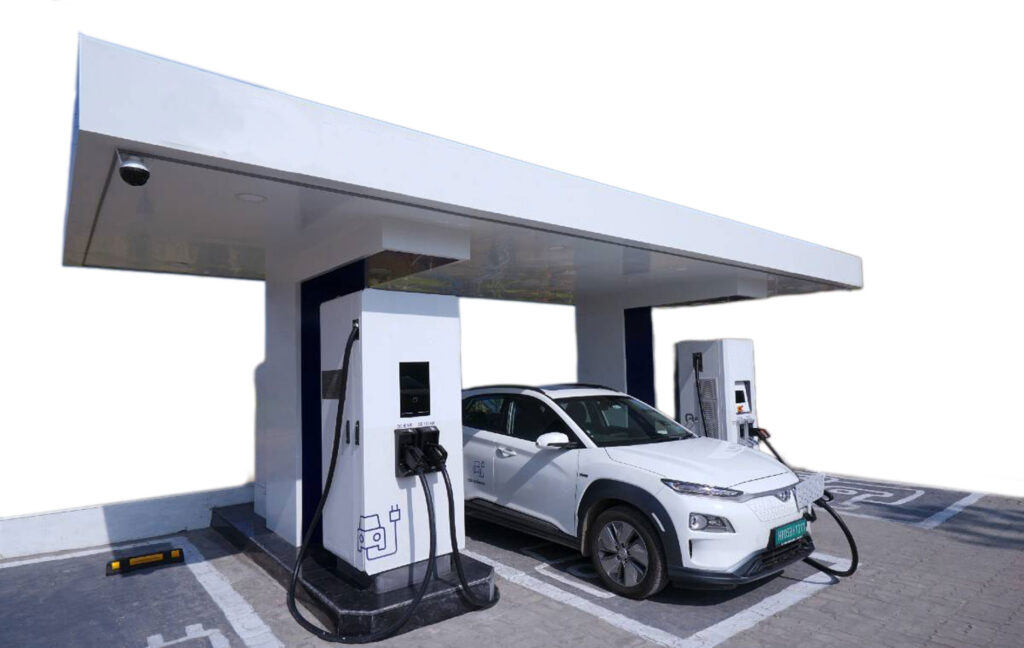
So, why are we bothering to talk about this? Because as commuters and vehicles users each one of us will soon have to make a concerted choice of how we will negotiate these new laws. In other words, how will we commute around our city or town.
Undoubtedly, electric buses, cars, two-wheelers, three-wheelers, called EVs in short, are much less polluting than the current fossil fuel-powered internal combustion engine (ICE) vehicles that monopolise our roads. EVs are best for the environment and will help in ensuring better air quality in cities and towns. But to make a shift to these vehicles is no easy task, and policies like the one enacted in Delhi are trying to push the idea forward.
So, what does the updated Delhi policy, valid till March 2030, entail? First and foremost, from 2027 you cannot register a three-wheeler with an ICE engine in the national capital. Most of these serve as last mile transport from the metro to residences. For two- wheelers the registration cut off for new vehicles has been relaxed till 2028. There are a host of upfront purchase subsidies for EV three-wheelers, two-wheelers and light duty commercial carriers or N-1 trucks.
Private and commercial electric passenger cars have also been given a big incentive. Those that cost up to ₹30 lakh will be given 100 per cent exemption from road tax and registration fee. Besides, getting rid of your old ICE vehicles will fetch you a scrappage bonus, which is up to ₹1 lakh for a four-wheeler and ₹10,000 for a two-wheeler. The initiative, in a nutshell, is to try and ensure 30 per cent electrification by March 2030.
Though we are not sure if such a mandate will work and how far it will help to improve overall air quality, it is a step forward. It is a move that will have a far-reaching impact on the number of EVs on the road and challenging times for the transport industry which will have to change its production lines in a short time.
As a commuter, it may be a win-win for you. In either case, if you travel by public transport or by your private vehicle, you will have the opportunity to lessen your carbon footprint and feel you are contributing towards a relatively more sustainable world.
But let me tell you the electric vehicle is not the new kid on the block. Most of us think of EVs as high-tech innovations that belong to the new millennium, but it will come as a surprise to many that a battery-operated vehicle (a locomotive to boot!) was put together some 180 years ago by Robert Davidson, a Scotsman. His EV ran too slowly and was seen as impractical to use. But, believe it or not, battery-operated cars became a hit in Europe and America briefly from the 1890s to the first few years of the 20th century before internal combustion engines completely ran them out of reckoning.
I came across these nuggets and many more historical facts in a book just released: The EV Evolution: Then, Now and Next of Electric Vehicles. Written by Anil Sasi, a former colleague, the book traces the history of the electric vehicle and where we are today in its journey.
Unlike in the West, India’s fascination for EVs is of more recent vintage. In the early 1990s a small two-seater electric car was put together in Kerala by the Chalakudy-based Eddy Current Controls in collaboration with Japan’s Yaskawa Electric Manufacturing Company. The car, christened the ‘Lovebird,’ was showcased as the first Indian EV in 1993 at the Auto Expo in Delhi.
The Lovebird, despite government support, remained a novelty and failed to sell more than 30 vehicles and the project unfortunately folded up.
Three years later, Vikram Safa, a three-wheeled electric vehicle, was developed by the Lucknow-based state-owned Scooters India Pvt Ltd. It sold some 400 pieces. Later on, Mahindra & Mahindra developed the nine-seater M&M Bijlee which hit the road in 1999. There were other manufacturers, including Bharat Heavy Electricals Ltd (BHEL) which tried their hand at developing EVs. But most of these attempts failed to attract sales and did not find space in the growing automobile market because they were cumbersome and costly to operate.
India’s first mass produced electric car was the Reva. It launched its urban electric microcar in 2001. Anil Sasi notes in his book that this was a full seven years before Tesla, generally considered a flagbearer of today’s EV generation, rolled out its maiden car, the Roadster.
However, the manufacturers of Reva could not capitalise on its headstart. It was bogged down by various issues and the company finally sold its majority stake to Mahindra and the original owner, Sudarshan K Maini, ceded control of the company around 2010. But before that Reva’s NXG model sold some 3,000 units and was made available in 24 countries.
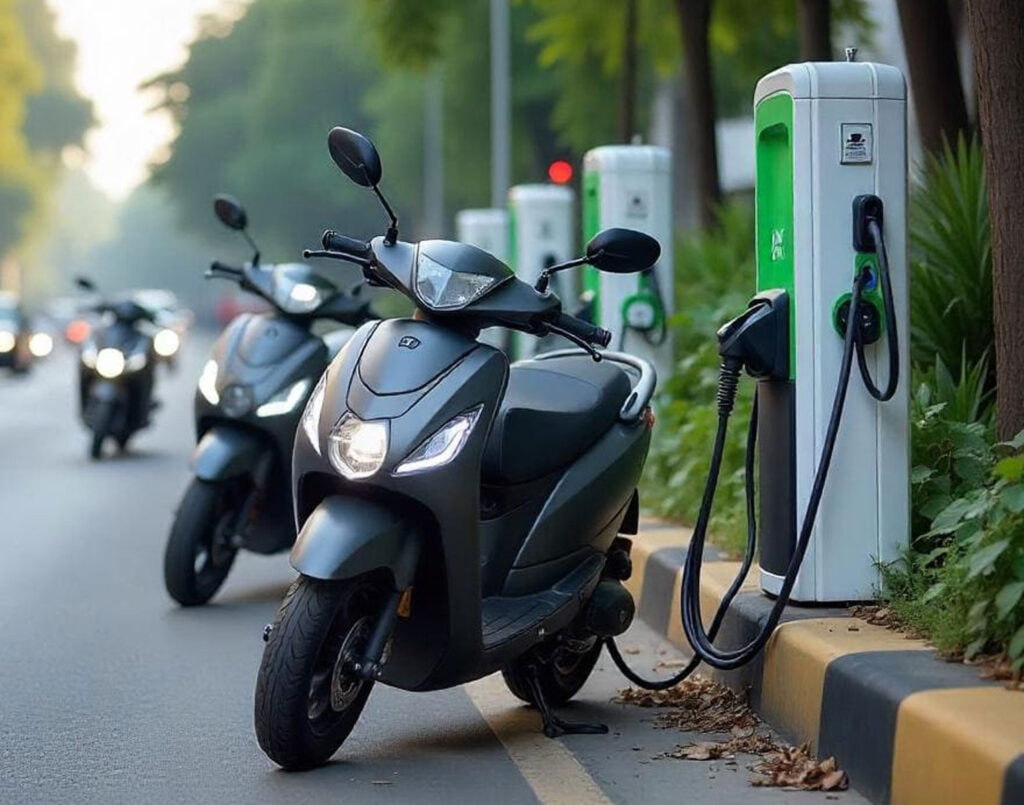
The Reva initiative did pave the way for electric two-wheelers. Several brands have hit the market in the last few years. In urban centres they have gained popularity with charging stations being set up at vantage points. Simultaneously, the four-wheeler segment has also picked up pace but much more slowly. However, it is now possible to spot EV cars in the metros silently weaving in and out of dense traffic without leaving a trail of fossil fuel smoke.
With government policy likely to push for phasing out ICEs in the coming years, there will be more efficient EV cars and buses in the market. So, before you buy your next vehicle, you may have to seriously consider opting for an EV. I am no car expert to advise you on which model will be best suited for your needs. But I can say this much: an EV vehicle will be the right choice because it will not add to the air and noise pollution in our cities. Having said that, I would like to hastily add that there is nothing more environment friendly than using public transport or cycling to your destination.
The writer is a senior journalist who writes on environmental issues