



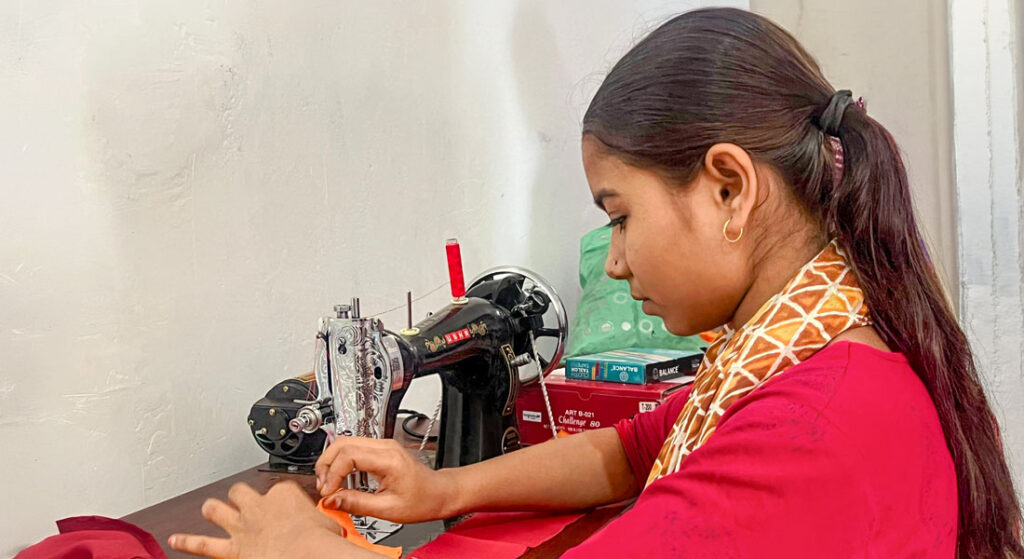
Rotary Club of Akola, RI District 3030, has launched a project to help young village girls learn tailoring skills which will get them a livelihood. Focused on girls passing out from Class 10 and 12, who would otherwise sit at home, getting absorbed in household chores or hurried through early marriage, the club has started a tailoring course for the girls.
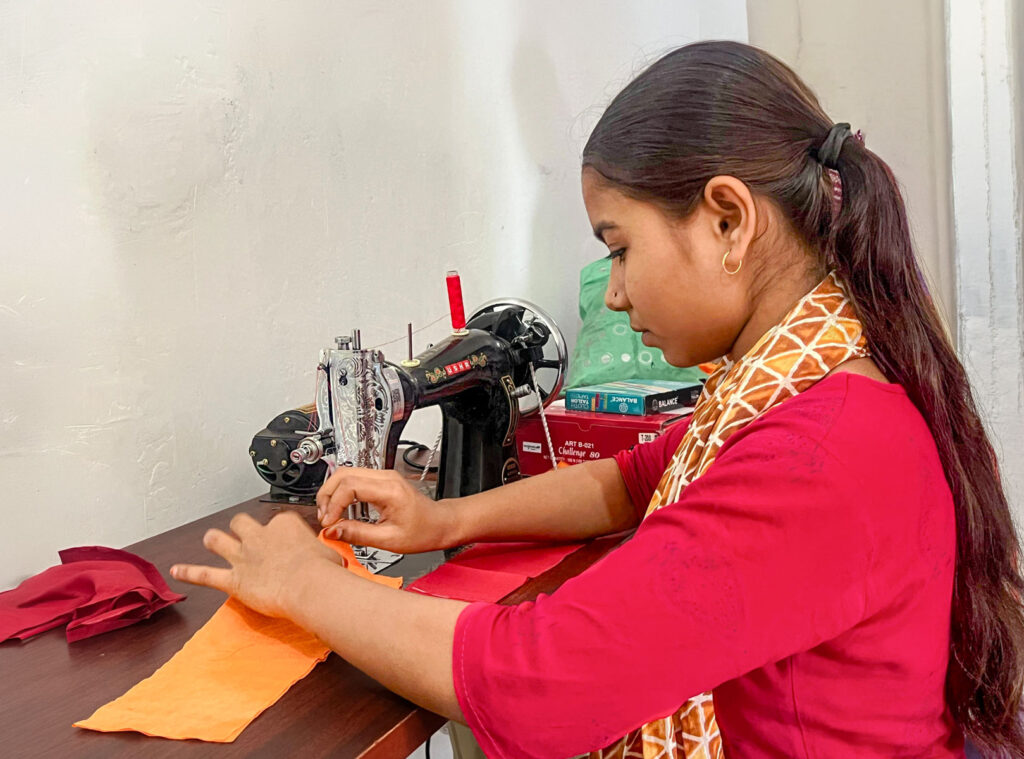
According to past president of the club Radheshyam Modi, who is in charge of this project which has been implemented in Gaigaon village, more than 40 girls from this village have enrolled in this class. “Sewing machines, including some electric machines, are provided by the club and under qualified trainers, these girls are learning stitching and garment making. Soon, armed with tailoring and dress-making skills, these girls will be self-employed and earning an income to support themselves and their families,” he says.
The cost of this project is around ₹1.1 lakh; from this money 10 sewing machines have been set up in the tailoring classroom. The money for the machines and staff salary was raised through contributions from the club members.
Rotary is instantly recognised in this village; we have done so much for the local school — set up a library and computerised lab, so that the schoolchildren can learn to work on computers.
— Radheshyam Modi
past president, RC Akola
The 40 girls who are enthusiastically turning up for tailoring classes every day belong to Gaigaon and surrounding villages. On how and why the village Gaigaon was chosen, Modi says one factor was proximity. Located just 15km from Akola and on a good motorable road, it makes it easy for club members to visit this centre. “And we are known in this village where Rotary is instantly recognised because we have done so much for the local school; set up a computerised lab and donated computers so that the schoolchildren can learn how to work on computers. We’ve also put up a library there.”
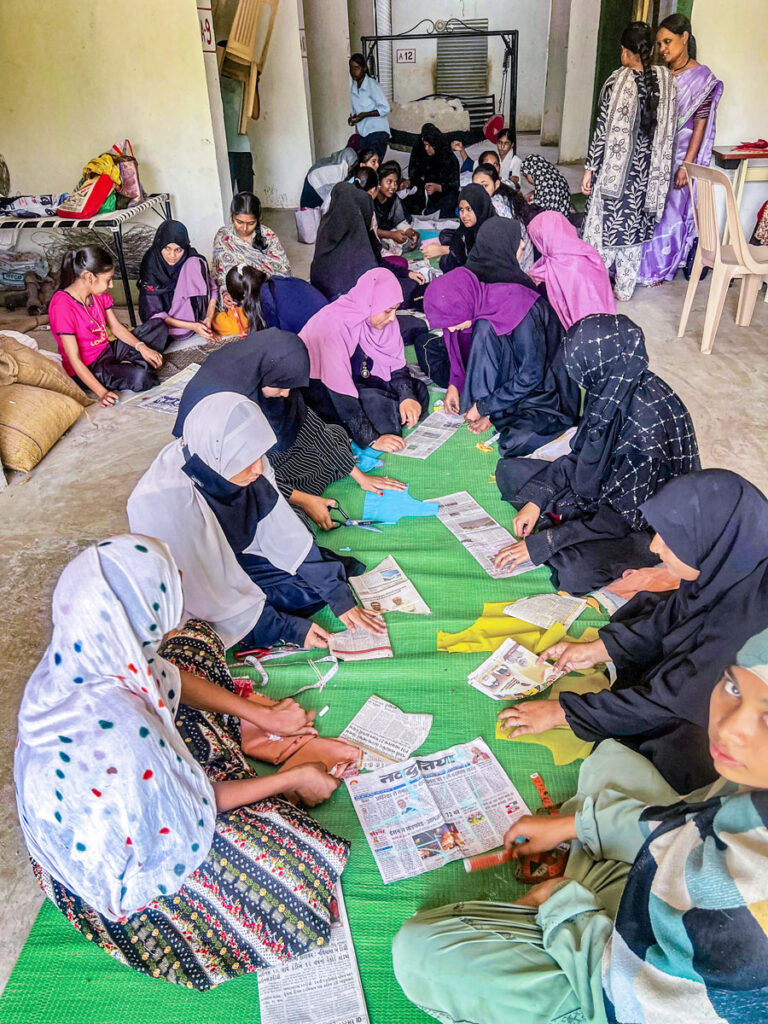
Club president Naryosang Tarporewala says the Rotarians will pay the salary of the two tailoring instructors, who will get ₹8,000 and ₹5,000 each month. The main objective of starting this initiative to promote self-employment was that once young girls in rural areas complete their Class 10 or 12, they have hardly any activity they can look forward to. They are entrusted housework, taking care of younger siblings and can’t even think of getting the most basic jobs. They’re neither unavailable in the village nor do the girls have any special skills which make them employable. “So we thought if we give them tailoring skills, they can stitch clothes, and sell them. Of course we have plans to help market the garments they make.”
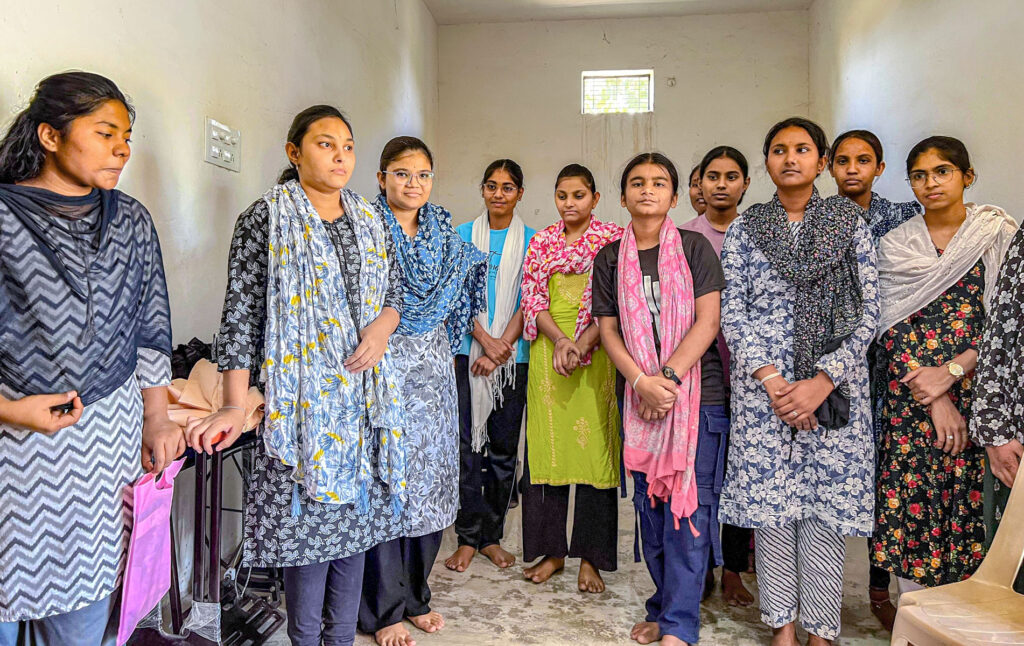
Interestingly, the Rotarians did not have to search too hard or too far to find a suitable place to set up this tailoring class. Modi explains that the brother of one of their tailoring instructors had built a clutch of shops in a prominent place in Gaigaon and a few of these were vacant. “Given Rotary and our club’s reputation in the village, where we have already done so much for the children’s education, she offered this place to us to start the tailoring classes. The villagers know very well that if this project is successful, girls from their village will benefit.”
Earlier, the learning was limited to two hours a day for each of the two batches of 20 girls. But seeing the need and the enthusiasm of the students, the class hours have been extended from 11am to 4pm. After they learnt the basics of stitching, the first batch of girl students stitched 400 cotton cloth bags under the club’s project of using cloth bags and saying ‘No’ to polythene bags. All the 400 bags were ordered and purchased by the club members, paying ₹10 as stitching charges per bag.
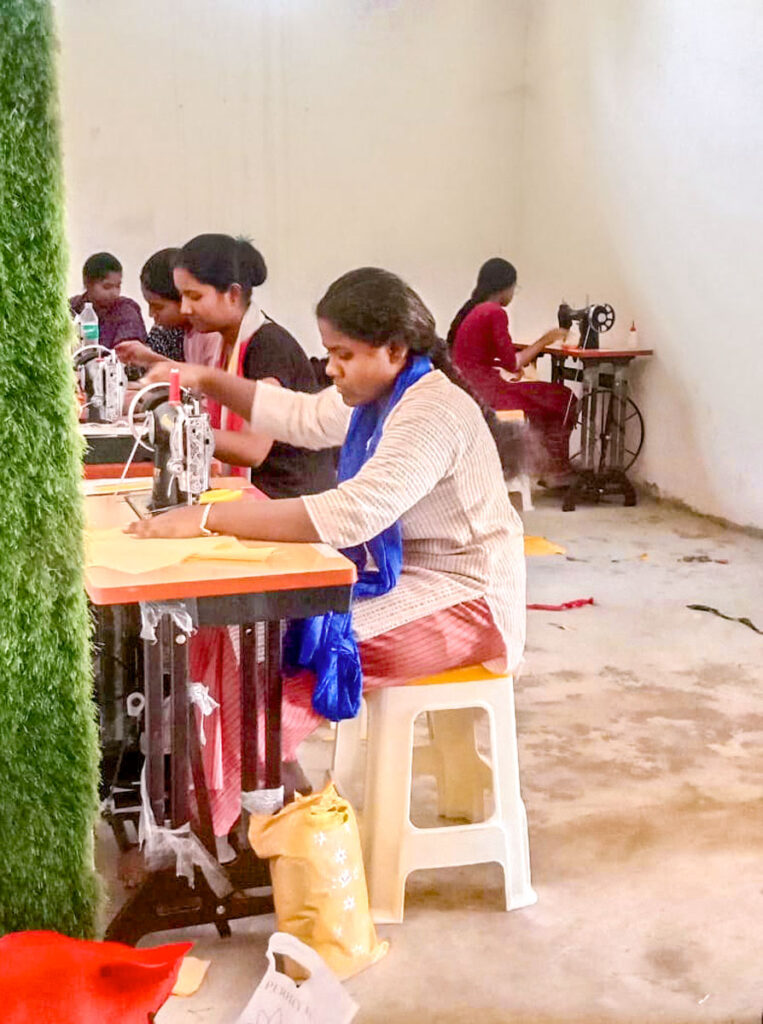
This was followed by an Akola bank placing an order for 1,000 bags, and with another order coming in for 300 more bags, the girls got an income of ₹13,000. Another order followed and “they have stitched 2,000 bags in 30 days, earning ₹20,000. This work was done outside their class hours; this is only the beginning; I know that their future is bright,” smiles Modi.
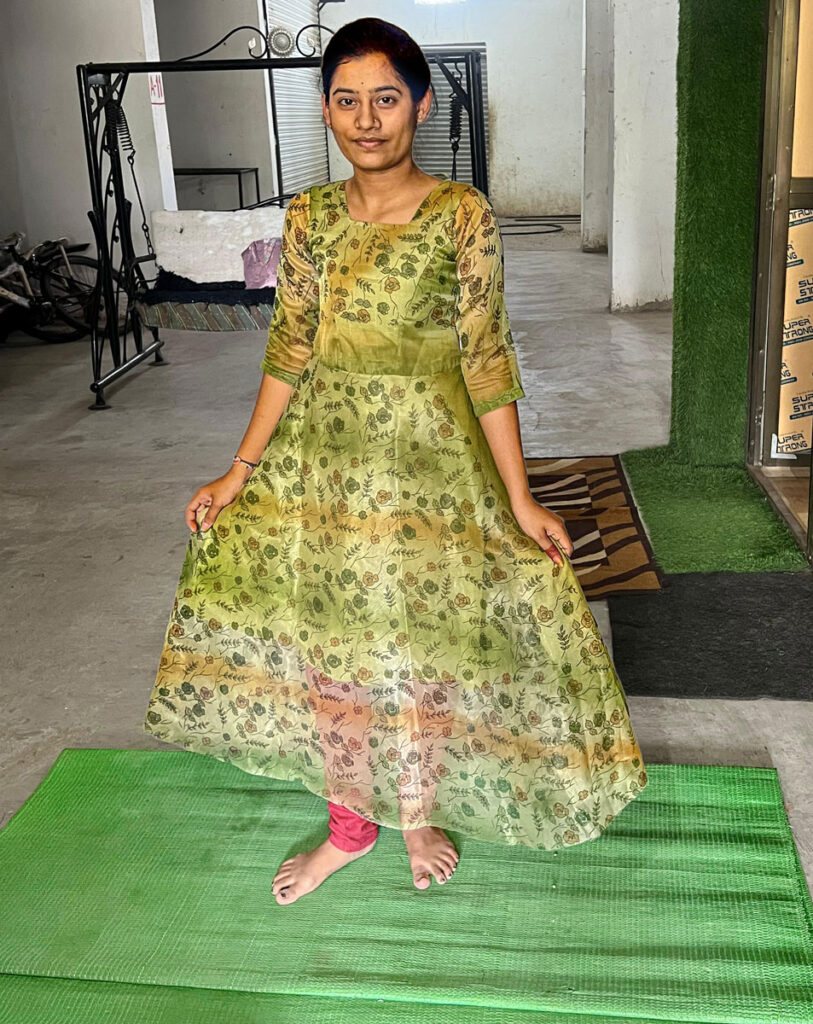
The tailoring course is totally free of cost; initially the Rotarians provided fabrics for the girls to learn the essentials of tailoring. “But we soon found the girls bringing used sarees from home and converting them into smart and pretty dresses. Now they have prepared quite a collection of garments. In the next month or two, we are planning to hold an exhibition in Akola, to ensure that the girls will be able to sell their dresses, and get more orders. Unless we are able to ensure them an income, this project will have no value. Giving them a marketing link is very essential,” says Modi.
He adds that the club members had firmly decided that it was no use just giving “school bags to girls or sewing machines to women. We have to ensure them a livelihood. I am happy to share that seeing the success of this tailoring course, now women from the village also want to undergo this tailoring course, and we will expand its scope.”
The club president says that “ultimately the younger generation will have to become self-employed, because there aren’t too many jobs available for youngsters with just basic schooling. Next, we will be providing driving lessons to young men, so that they can be employed as drivers in Akola.” Akola has a population of 10 lakh, and a floating population of around two lakh so drivers are always required.
Initially, the Rotarians provided fabrics for the girls to learn the essentials of tailoring. But soon the girls brought used sarees from home and converted them into smart and pretty dresses.
On the literacy front, the Rotarians are planning to offer about 20 students coaching in MS-CIT ( Maharashtra State Certificate in Information Technology) which is a foundational digital literacy and computer education programme. This course will give them practical skills like MS Office, internet browsing and AI tools. The course costs roughly ₹4,000 to ₹5,000, and certificates are given by the government to those who complete the course. “Once they learn how to operate computers they can get lobs.”
The club is also distributing 40 more bicycles to school girls to ensure they have a safe transport to school and don’t have to drop out for safety reasons.
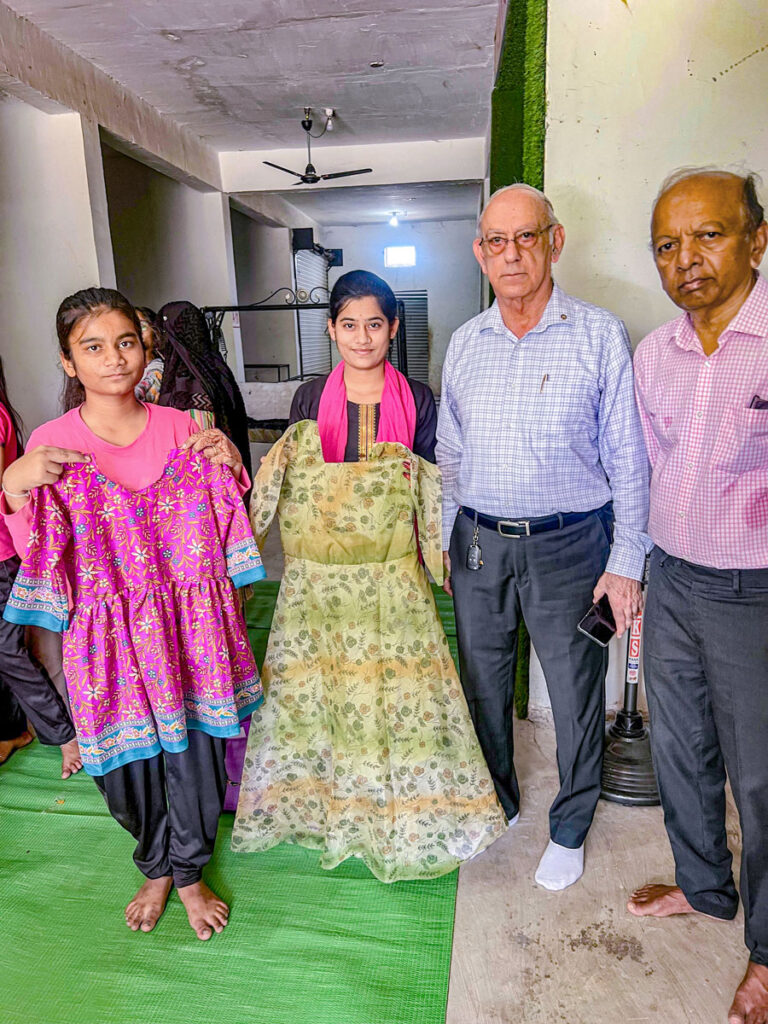
Modi explains, “Rotary is changing the village scenario through this project, particularly for rural women who are the biggest victims of poverty and unemployment. It shall be a great day when many girls from these villages will be self-employed making garments and even designing them on their own. Once this happens, opening boutique shops and making designer clothes will surely follow, giving women a sense of self-reliance that comes from economic freedom. This will be Rotary’s gift for women’s empowerment in rural India.”
Here are some of the testimonials the club has got from the girls from the tailoring class.
“Rotary has provided us with a great opportunity to learn and develop our skills in garment making,” said one girl.
Another one added: “I was so scared about what I would be doing after my Class 12 examinations. Learning stitching and being a part of garment making has given me the power to stand on my own feet. My mother is so proud of me, because she knows that now I will be able to stand on my own feet. Thank you, Rotary.”