


An iconic project of the Rotary Club of Bombay, RID 3141, is its aggressive promotion of IT literacy and technical skills among the youth in underprivileged and lower-middle-class families through its IT Innovation Labs and Career Foundation Learning Centres (CFLC), aimed at students in underserved communities in areas such as Palghar, Wada, Boisar and Dahanu near Mumbai.
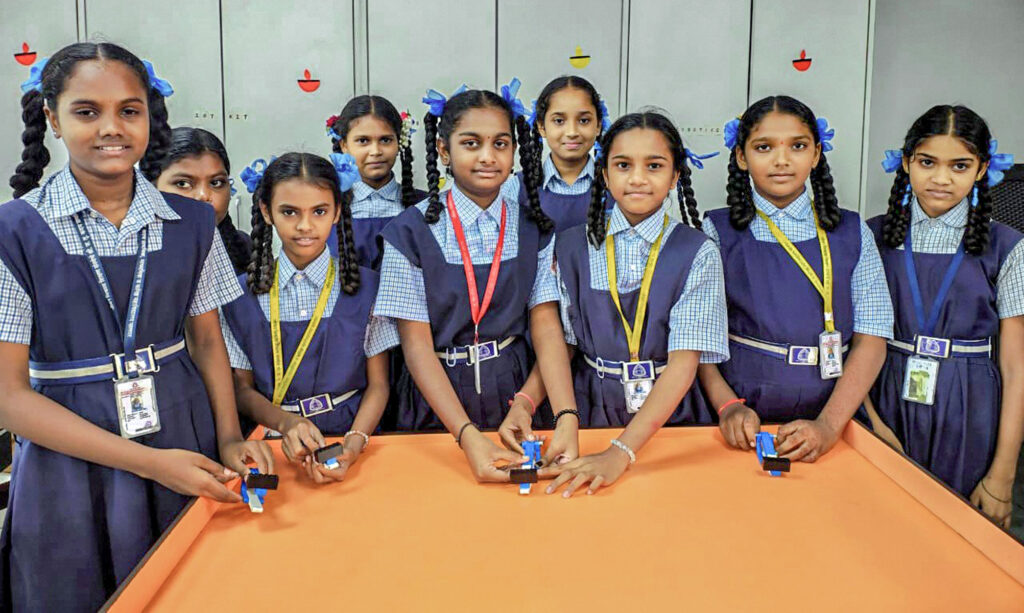
Conceptualised by PDG Sandip Agarwalla, a member of RC Bombay, “long before AI and other such skills became the buzzword, while preparing for my year as DG in 2022–23, I set up the first such lab in a charitable school in Palghar. Even though it was a Marathi-medium school and the students had absolutely no background in IT, we were resolute in our vision to enable these students to embrace careers of the future,” he says.
“Who knew that in a short span of four years AI would overtake the world? We have made students proficient in AI, Robotics, IoT, 3D Printing and Data Systems starting from batches from Class 8,” he adds.
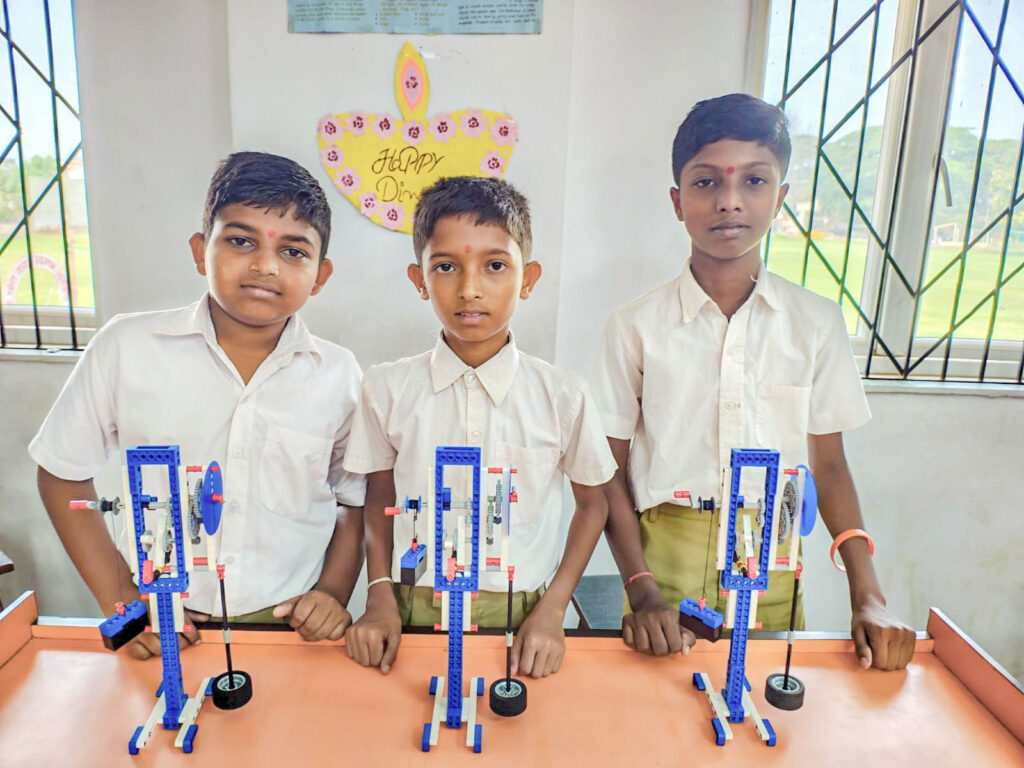
The key projects include training in Robotics, IoT, 3D printing and Data Science. The club has established multiple stem labs in rural Maharashtra (Boisar, Palghar) to foster hands-on learning. Students from RCB’s IT labs have participated in national-level competitions, showcasing IoT and AI innovations. Bhavishya Yaan and Lighthouse are programmes that integrate IT learning and science-based education to improve employability for students. “These initiatives aim to bridge the digital divide by equipping students from underprivileged backgrounds with practical technical skills, improving their prospects in getting better paying jobs,” says past president of RCB Vineet Bhatnagar.
The co-chair of the IT Innovation Committee, Uday Sanghani explains that this is much more than just opening labs or computer centres and giving access to youngsters to computers and equipping them with basic IT skills. “We wanted to set up laboratories that would equip the young with very forward-looking, futuristic IT skills and technologies, which are not only innovative but will also enable them to get concrete results in areas such as 3D printing, robotics and other automated applications.”
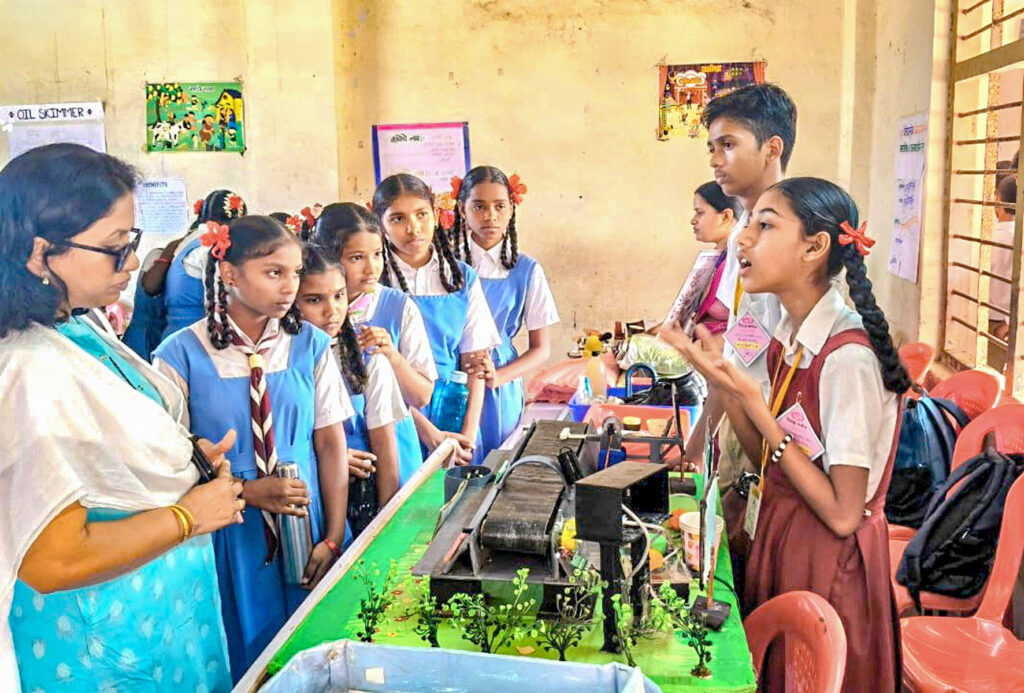
These labs were conceived in partnership with a company called Grok Learning which was started by two NRIs from the Silicon Valley, who had returned to India and are based in Mumbai. They had set up a sample IT laboratory in a Marathi school in Sahin, which Sanghani and some other members from RC Bombay visited, as they wanted to do an IT project for youth.
They loved the concept and the lab and decided to start a similar lab in Palghar, an Adivasi area, which comes under the purview of RID 3141. Hence, four years ago, in Palghar, these Rotarians identified a Trust-run school as a partner school, which gave them a 1,500 sqft-room, and along with their knowledge partner, they designed and converted it into a lab. A club member, Yogesh Mahansaria, came forward to give CSR funds through his company Mahansaria Tyres for this lab, and has continued to support other labs the club has set up in the last four years.
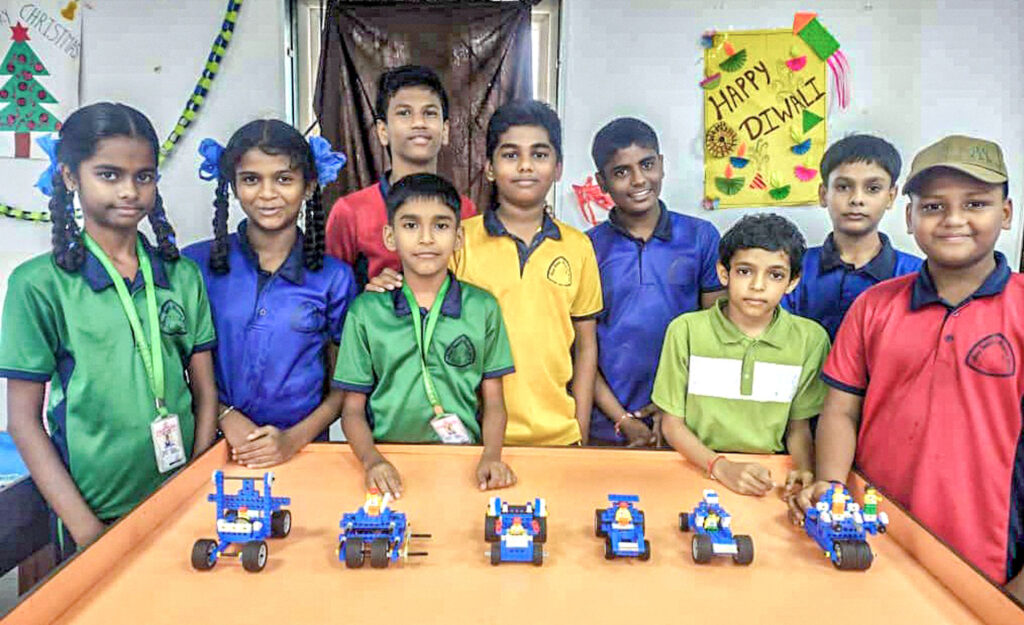
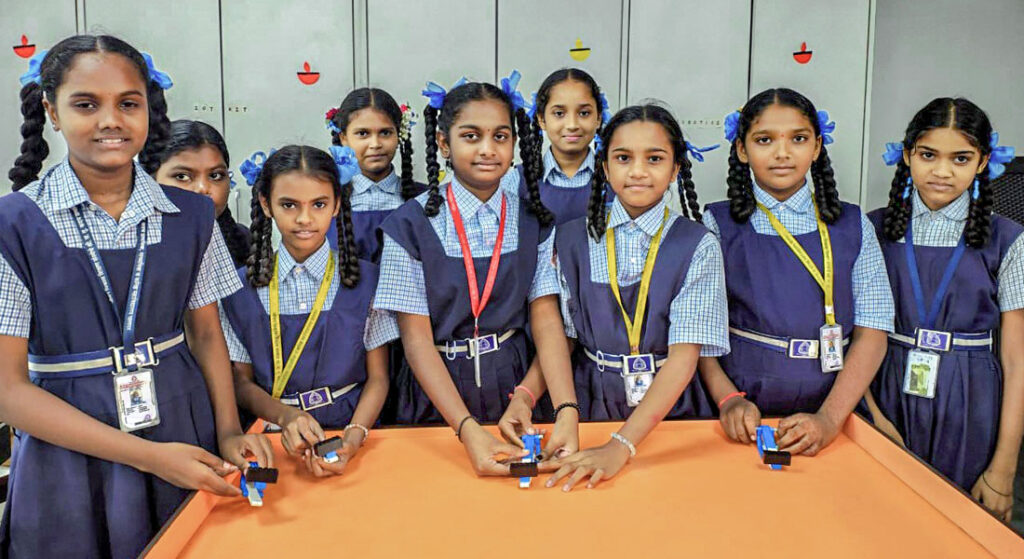
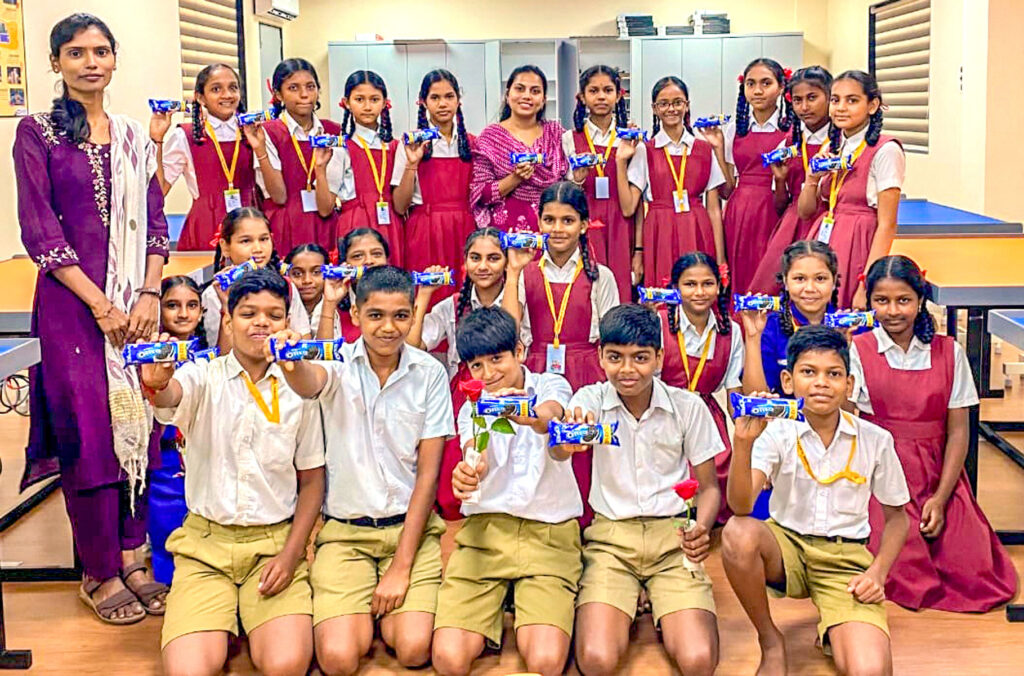
The next such lab was set up in a school in Wada and then Boisar. In all, four labs were set up for children from underprivileged families in charitable schools for Classes 7 to 11. The heartwarming part is that till now nearly10,000 students have benefitted from this RC Bombay project and, 50 per cent of them are girls!
Equipped with basic to special IT skills, and armed with enthusiasm, many of the children trained at the first lab in Palghar have gone to college, mainly for degrees or diplomas in Engineering. Club president Bimal Mehta explains that the teaching and learning that happens in these labs involves “a grounding in IT innovation. Everything is practical, there is no classroom study as theory. They do hands-on projects, so they can better understand the concepts.”
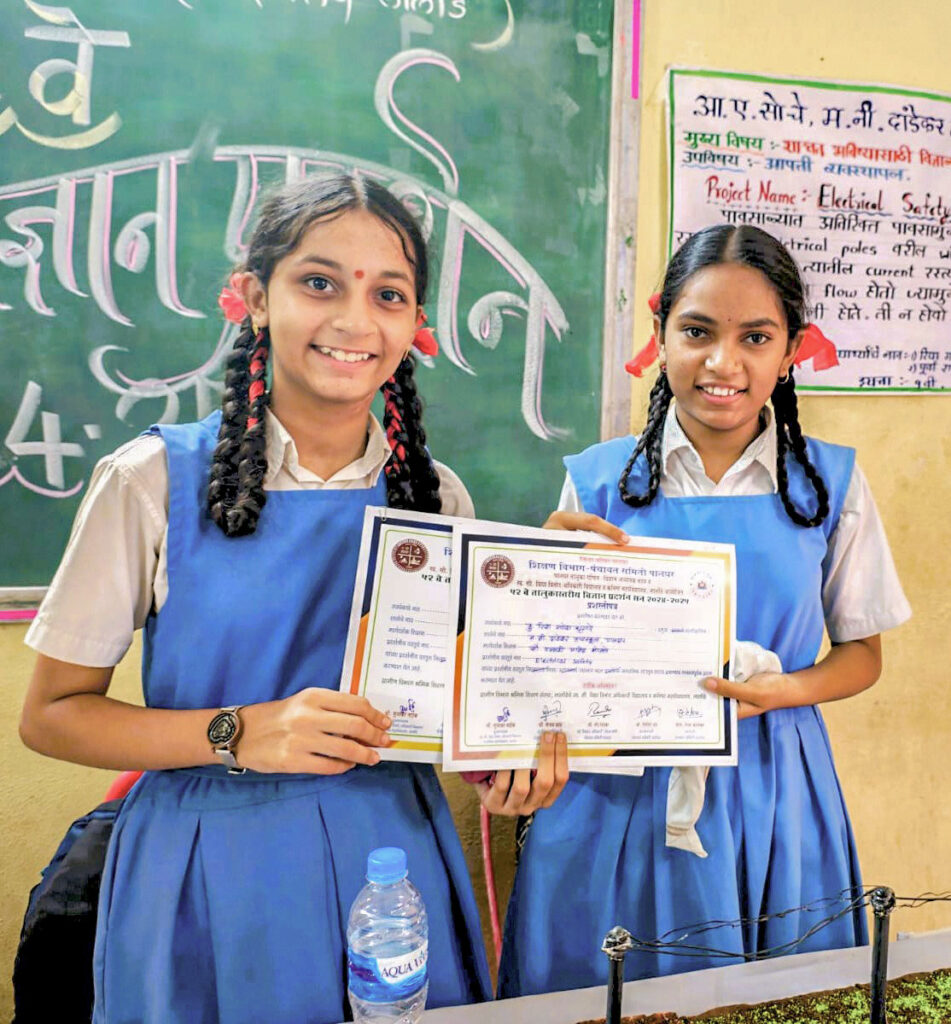
Sanghani adds that the club does MoUs with schools “because we want this to be a permanent, sustainable project. There we stipulate that 50 per cent of the past students who come into the lab can be from your school, but the other 50 per cent will have to be from the surrounding schools. The idea is to have a larger impact. Sometimes, we are unable to do it because there are not many schools around.”
The students don’t have to pay anything at all. The entire ₹20 lakh, the approximate annual expenditure on this project, comes from the club and is sustained mainly by members’ contributions and CSR funds, including from Mahansaria Tyres.
We first set up an IT lab in a Marathi-medium charitable school in Palghar. The students had no background in IT, but we wanted these students to embrace careers of the future.
— PDG Sandip Agarwalla
In its fifth year, the scope of the learning in this project has been notched up with the addition of what is titled Career Foundation Learning Classes. This involves training students from Class 9 onwards to prepare them for competitive exams and is being done with another knowledge partner. This course includes classroom studies beamed on a smart television and involves virtual training. Both the courses are going on simultaneously.
On how this idea germinated, Sanghani says, “We’ve always wanted to be involved in literacy, and as parents we all know how important it is to acquire IT skills.”
Asked if these children are also being given some basic AI skills, Bhatnagar says this is being done at their latest and more advanced lab they have set up a few months ago at an ITI called the Elphinstone Institution, which is in the heart of Mumbai and next to St Xavier’s College. At this Centre of Excellence inaugurated in Jan 2026, the focus is on Industry 4.0 skill development, including 3D printing, IoT and advanced AI training.
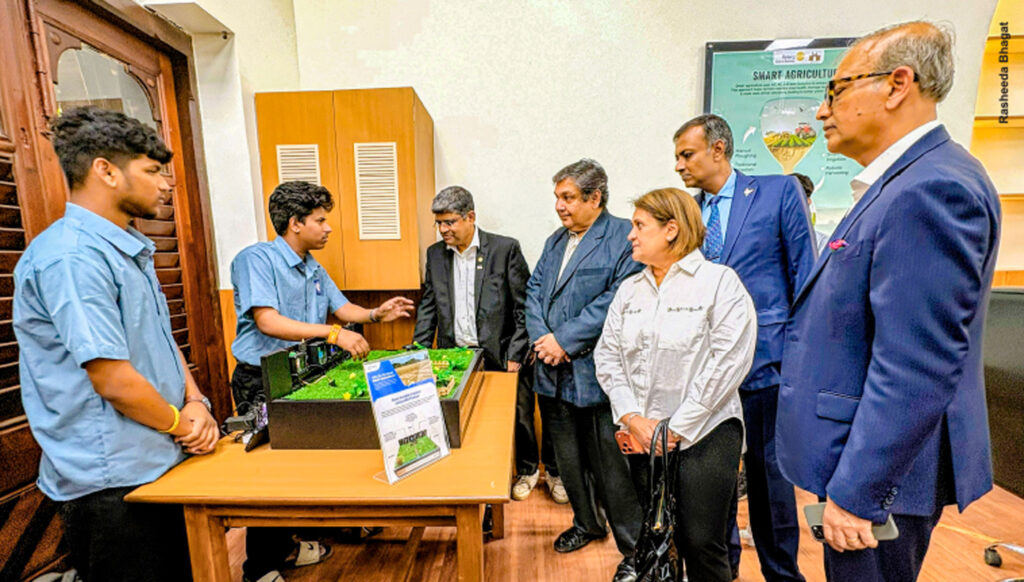
I walk into a glitzy lab at this centre, which has equipment you’d find in the best of private school labs. The large room has 12 desks with laptops. Around the tables are spread various bright coloured objects — such as test tubes, bulbs, plastic prototypes of a range of products, and other equipment you would find in any well-equipped science lab. The eyes also take in quite a bit of greenery, which comes from small potted plants and creepers growing as well as models of farmland depicted via grass.
It is very obvious that automated products and systems are being assembled here. The Rotarians accompanying me explain how each product has been developed by using IT and IT solutions, which are the backbone of these prototypes.
The room can train 24 students in each batch and I find it filled to capacity with young boys and girls, immersed in various experimental projects/products they are working on. The club was happy to partner with the Elphinstone ITI because “we saw students really engaged and participating in the classes and involved in learning. Here apart from innovative IT, generative AI is part of their curriculum and they will be taught how to use some of the AI platforms like ChatGPT, Gemini, etc. They are also learning some machine-learning related coding,” explains Sanghani.
The Elphinstone centre was added to their IT innovation lab project as “it fits in very well with our theme for this year — RISE — which is ‘Realign with the changing needs, Integrate and synergise activities, Scale it up with purpose, and Engage with the community and your stakeholders’.”
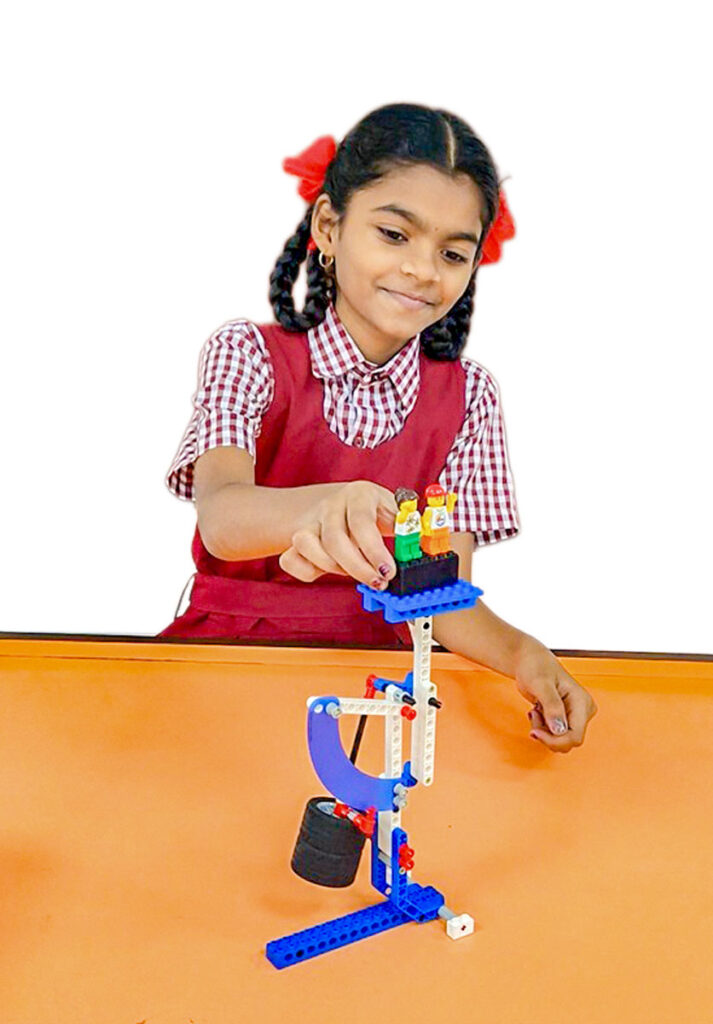
Adds Bhatnagar, “We know the needs of the communities around us are constantly changing, and an increasing number of applications are being made from AI, robotics, and such technology. Young kids need a different environment, and this kind of lab aligns well with their expectations and helps to integrate and synergise their activities.”
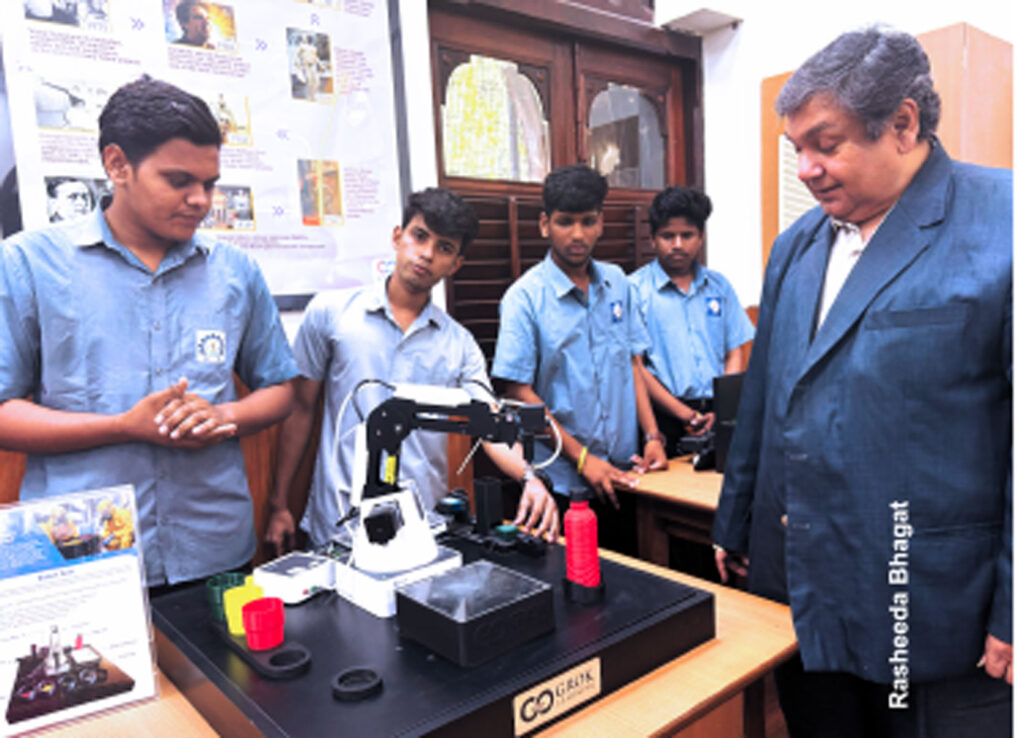
On one of the tables the Rotarians take me to, I find three youngsters working on developing the prototype of a robot arm that can be used for various functions in an industry. The Rotarians explain that in many manufacturing industries, several hazardous and repetitive tasks such as welding, grinding, and all kinds of assembly works are still being done manually. But such manual jobs expose the workers to harmful gases, heat and mechanical risks leading to fatigue and injury. Automation using robotic arms can make these tasks faster, safer and more precise, improving production efficiency. The students were learning the designing and application of robotic arms which can automate hazardous and repetitive industrial tasks and reduce human exposure to risks. Such robotic arms can be used in packaging, logistics, food, recycling, and other industries.
At another table I see a model of a ‘smart and scalable irrigation system’ which can automate the irrigation process based on the water needs of different crops using a particular technology (called LoRa). This, I am told, is particularly suitable for large farms in remote areas with limited or no internet connectivity.
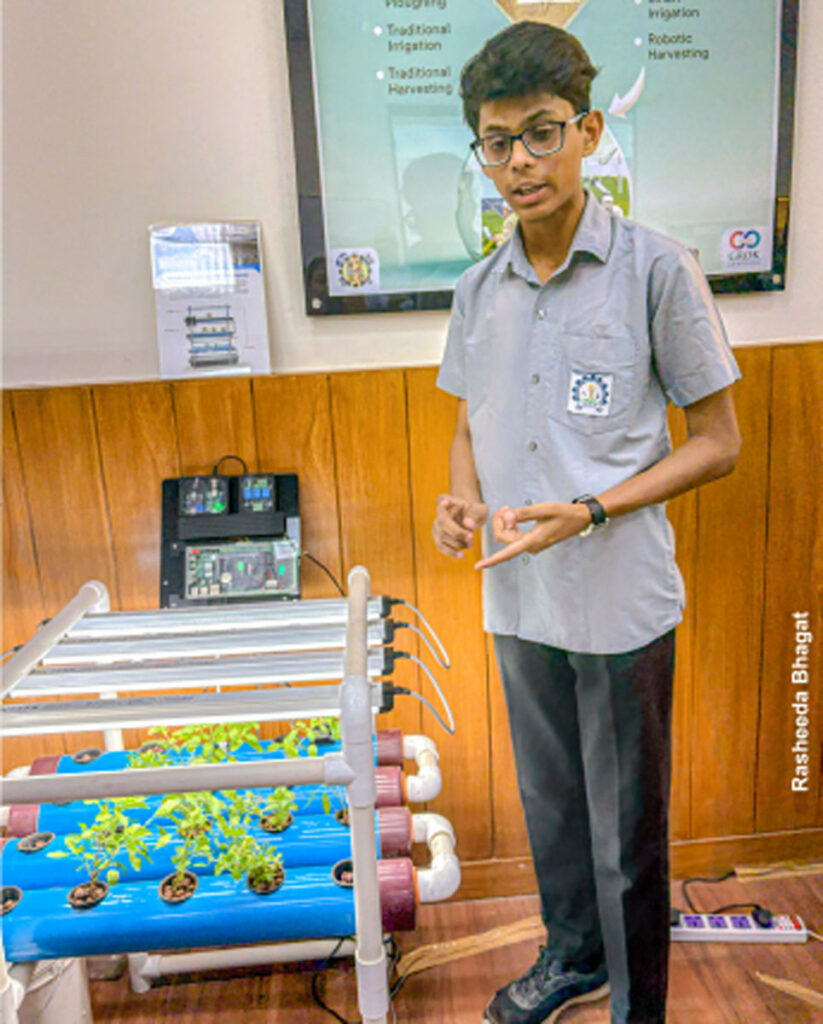
Another group of youngsters was immersed in a model where sustainable farming can be done through hydroponics, a modern agricultural technique that grows plants without soil. Instead of soil, crops are cultivated in a water-based, nutrient-rich medium like coco coir, perlite, etc.
Much of what the youngsters explain goes above my head… like how they “integrate sensors and devices like pH, moisture and temperature sensors, along with automation tools such as water pumps, to grow lights. By doing this we can monitor and control the hydroponic environment and this enables efficient resource management and optimum utilisation of water, nutrients etc to get best results.” But what is obvious is that they know what they were talking about… the excitement, the curiosity and the satisfaction they experience from what they were learning and doing, was amply evident.
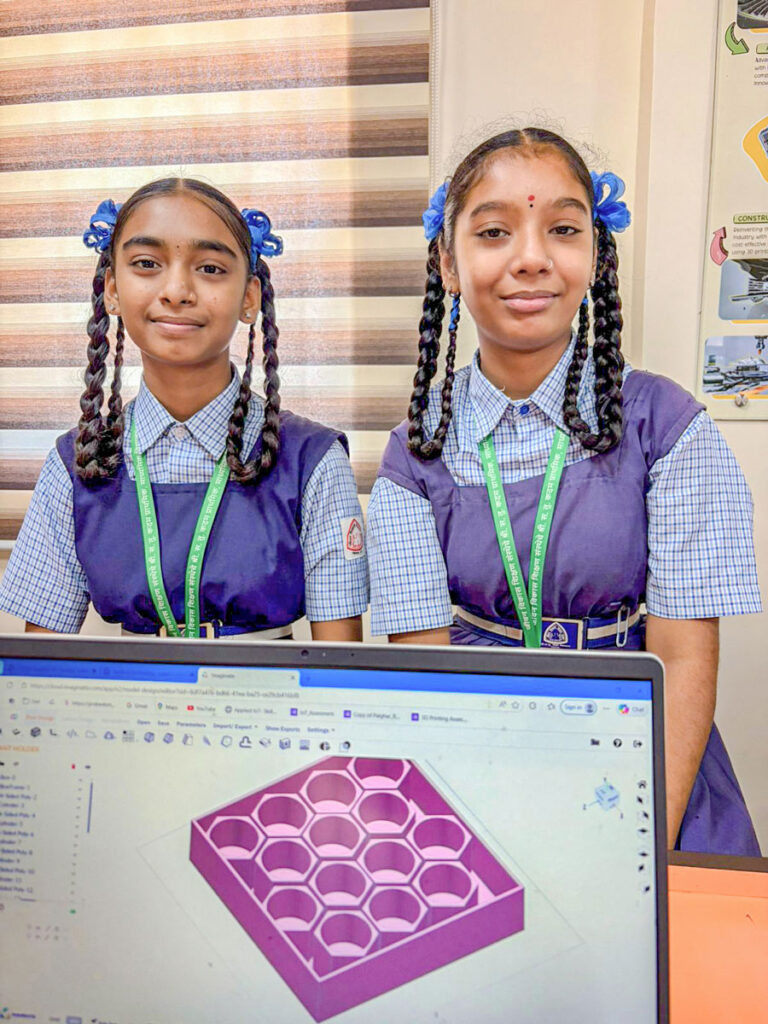
The students were also working on projects such as smart parking management, smart printing etc. They get a three-month training in each component — IoT, Robotics and 3-D modelling. It is easy to see how this training will prepare them for jobs… because what they are getting here is much more than book knowledge. This project is clearly focused on skills that can create livelihoods in the current scenario powered by AI-based technology. And there are scale and sustainability too. “We in Rotary have always believed in scale, but not scale without a purpose. In whatever we do, we measure impact and outcomes. We now have five such IT labs, because we know that unless we scale up, the impact won’t be felt. Just to do one lab and then forget about it doesn’t make sense. Here the focus is on career development,” says Bhatnagar.
The youngsters are also coached and mentored about the need for going to college, so that they have better opportunities.
Swapnil Anil Shigohan, 18, is the son of a security guard working in a company in Mumbai. He explains all about how soil moisture sensors work, and how they can be automated to water plants without physical presence, and to save water.
Innovative IT and generative AI are part of their curriculum and the children are taught to use AI platforms like ChatGPT, Gemini, etc. They are also learning some machine-learning related coding.
Siddhesh, his companion, explains how this technology, when applied properly, will benefit farmers in far-flung areas. “I can operate the system on my mobile phone from a distance of 15km, and can see if and when there is less water in the soil.” He is confident that he will get a job as an IoT technician after completing this training. Rajeshwar, another student, explains about automated machinery with colour-coded sensors which can be used to replace manual packaging.
Talha Sheikh’s father works as a shop manager, and he smartly shows me how different coloured sensors will pick up different objects. Vishwas Rankhambe explains about spot parking management, and how the systems they are developing can be used in big office complexes, malls, hospitals etc, where drivers face difficulty in finding empty parking slots.
Atharva Desai, one of the teachers, says overall they teach about 300 to 350 students in three batches every day. He is all praise for these students. “Not only are they smart and hardworking and concentrate on learning, they are very hungry to take in the knowledge that this lab provides,” he smiles.
These youngsters, he adds, are “seeking a path to a good job and a bright future. With this lab, they have the opportunity to get that path. And they are very eager to learn new technology, which Rotary has made possible for them.”
The students are extremely eager to share what they have learnt and what they are doing. Vishwas Rankhambe continues to explain how the car park system “where we use reasonable and affordable components, such as proximity sensors, to detect a parking spot,” works. He adds: “Secondly, this has sensors so that the gate opens and closes automatically, when a parking spot is available. Also, the communication protocol gives real-time updates, and the system is connected to the cloud internet.”
While I struggle to comprehend the technology, I am impressed by his articulation in English; when I compliment Vishwas on his English language skills, he demurs: “No ma’am, it’s not that good. But yes, I read a lot. Instead of playing games on my phone, I read.”
Komal Resheem’s father works in a private company, and she wants to join the police department and do IT work there! Mohammad Daduji is all excitement as he explains the hydroponics system they are working on to help farming in difficult conditions. “In today’s traditional farming, both the soil and weather conditions have deteriorated, and there is less land for farming. This mini hydroponics system we have designed works without soil, and in high-nutrient water, which helps the plants to grow well. The sensors will tell you about the nutrients, whether the water is acidic or alkaline and so on.”
I am attracted to a mint plant which is clearly thriving with fresh, green and fragrant leaves; there is both mint and tulsi. The youngsters want to gift me one… I choose mint!
Leaving the best part for the last, I ask teacher Desai that now these students have already completed their high school, and are armed with this nine-month training, what kind of salary can they expect.
He pegs the figure anywhere between ₹25,000 and 30,000!
Sanghani smiles and says, “This is an advanced learning centre. But even at the Palghar innovation lab, where 3D printing is taught, last year the students used the centre’s 3D printing technology to design and create personalised rakhis for Raksha Bandhan. After printing beautiful rakhis, they added coloured threads and glittering and decorative little items to make each piece colourful and glitzy. This activity helped students to understand how 3D printing works and gave them a chance to explore their creative talent while celebrating a traditional festival.”