
Engaging the Sundarbans’ tribals
Underground transport
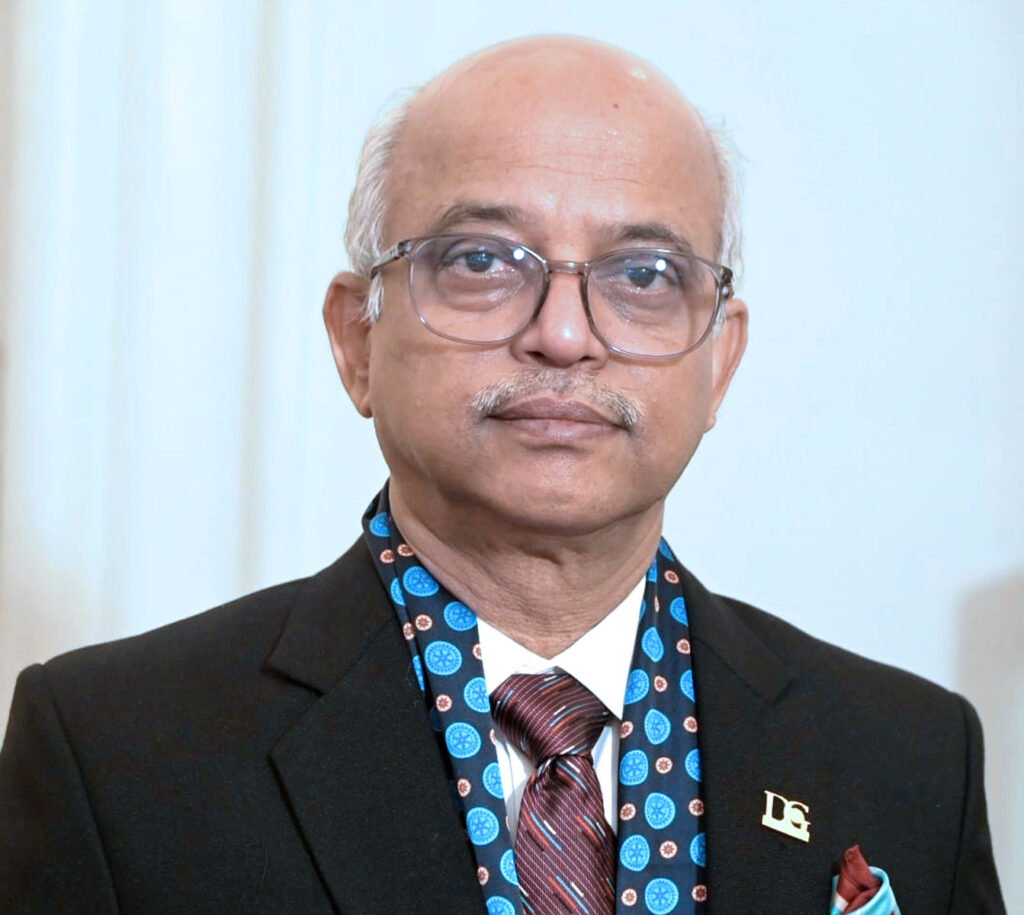
RC Dum Dum, RID 3291
Walking down memory lane, Tapas Bhattacharya says, “I joined Rotary in 1994 to serve communities better with more resources, more hands, instead of working alone. While doing this, I enjoy the fellowship of Rotarians.”
He will charter 10 new clubs, and aims at a net membership growth of 800 in his district which has around 150 clubs with over 4,000 Rotarians. In a mega initiative, the tribals at a Sundarbans island will be educated “on preserving their fragile ecology through awareness camps; healthcare camps will be held regularly for them; and artificial limbs will be distributed to the tribal amputees,” he says. The island project (GG: $40,000) will also include 150 child heart surgeries. Around 100 Rotary water booths will be set up (GG: $60,000) across Kolkata and other areas of his district.
On the medical front, thalassaemia screening camps will reach out to 5,000 beneficiaries. Project Life Beyond Cancer will set up Rotary Help Desks at three government hospitals which will “act as a bridge between the parents of cancer- afflicted children and the doctors. Free medicines will be provided in these bridge counters.” Rotary Help Desks (₹1.5 crore) are funded by contributions from members, private donors and CSR grants.
A Rotary Blood Centre and thalassaemia daycare centre will be set up at the Tapan Sinha Memorial Hospital, Tollygunge, through a GG of ₹2 crore for which the application has been made. For TRF-giving, his target is $500,000.
Virtual sessions for Rotarians
Fertiliser manufacture
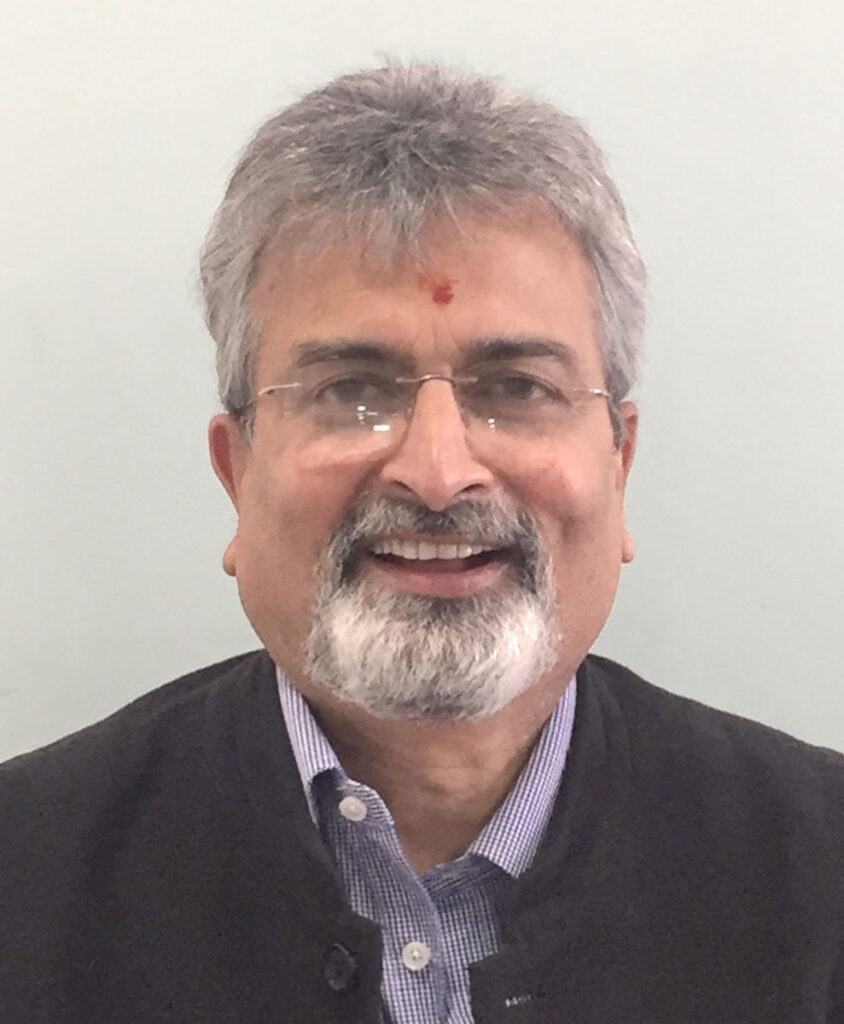
RC Amritsar Midtown, RID 3070
His focus will be on improving the “quality of Rotarians in our district, instead of simply adding more members. However, my aim is to achieve at least 10 per cent net membership growth,” says Anil Singhal.
Rotary clubs with 10 members will be merged with stronger ones as part of shoring up the service quality. At present, there are 115 clubs having 3,200 Rotarians in the district. In the last four years, they could not do GG projects as “we are under RI’s suspension for non-compliance of stewardship norms. It will be revoked, and around 5–6 GG projects (₹2–3 crore) will be done this year.” Around 100 Rotaract and 200 Interact clubs will be formed. At present, they have a ‘marginal presence’ in Rotaract. Singhal will be holding 2–3 zonal virtual sessions a month to “enhance fellowship, networking and bonding among Rotarians. I want to educate them so that they understand the value of social service.” At least 200 medical camps, each attracting over 150 patients, will be organised by the clubs.
Club leaders will be advised to take up online courses at rotary.org for doing service projects efficiently through team work and engagement. His TRF-giving target is $100,000. While he is inspired by PRIP Rajendra Saboo with his accessible nature, “I am motivated by PDGs Avinash Mohindru, Arun Kapur, and RIDE Gurjeet Sekhon as they are my role models.” Singhal joined Rotary in 1988.
Life-saving devices for hospitals
Cashew industry
RC Quilon, RID 3211
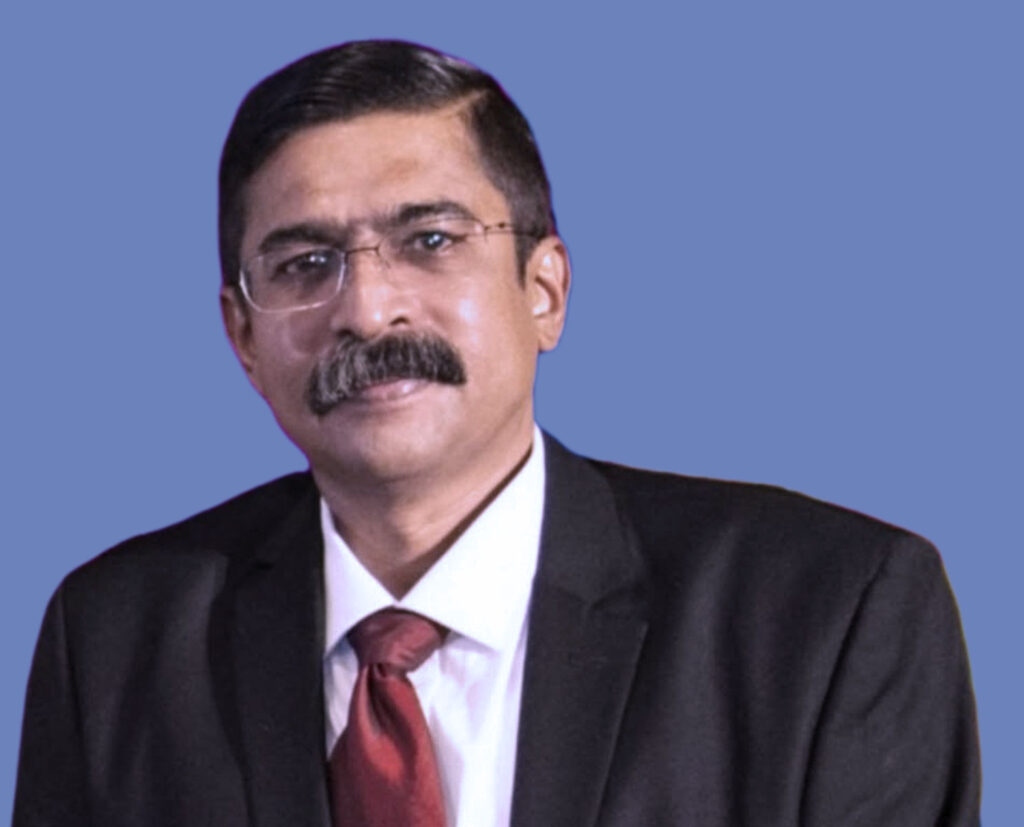
Having five revenue districts of Thiruvananthapuram, Kollam, Pathanamthitta, Kottayam and Alleppey in southern Kerala, “my focus is on increasing the number of members in each club, and starting new clubs in underrepresented areas of my region,” says K G Nair. With 166 clubs and 5,450 Rotarians and 500 Rotaractors, he will be striving to achieve a net membership growth of 25 per cent by June 30 next year.
Nair has lined up a number of GG projects such as installation of life-saving, critical equipment — ventillators, defibrillators, dialysis machines, diagnostic devices etc — at healthcare institutions; providing electric and CNG autos to at least 100 individuals for a sustainable livelihood; and distribution of artificial limbs at prosthetic fitment camps which will be held at all the revenue districts, he says. “We are working on other projects to be done either through GG or other funding modes, to ensure self-employment and livelihood of the disadvantaged.”
Nair wants to promote Rotary and its welfare projects through social media, “so that our action- oriented initiatives for community well-being are brought into public focus.”
A former Rotaractor, he became a Rotarian in 1991, and says: “Rotary means a lot to me in terms of giving back to society, and reaching out to the communities to make the world a better place. Right from being a Rotaractor (1983), it has been a remarkable journey for me as a Rotarian.” Nair has set a TRF-giving target of $1 million.
A Rotary School in making
Academician
RC Ghaziabad Central, RID 3012
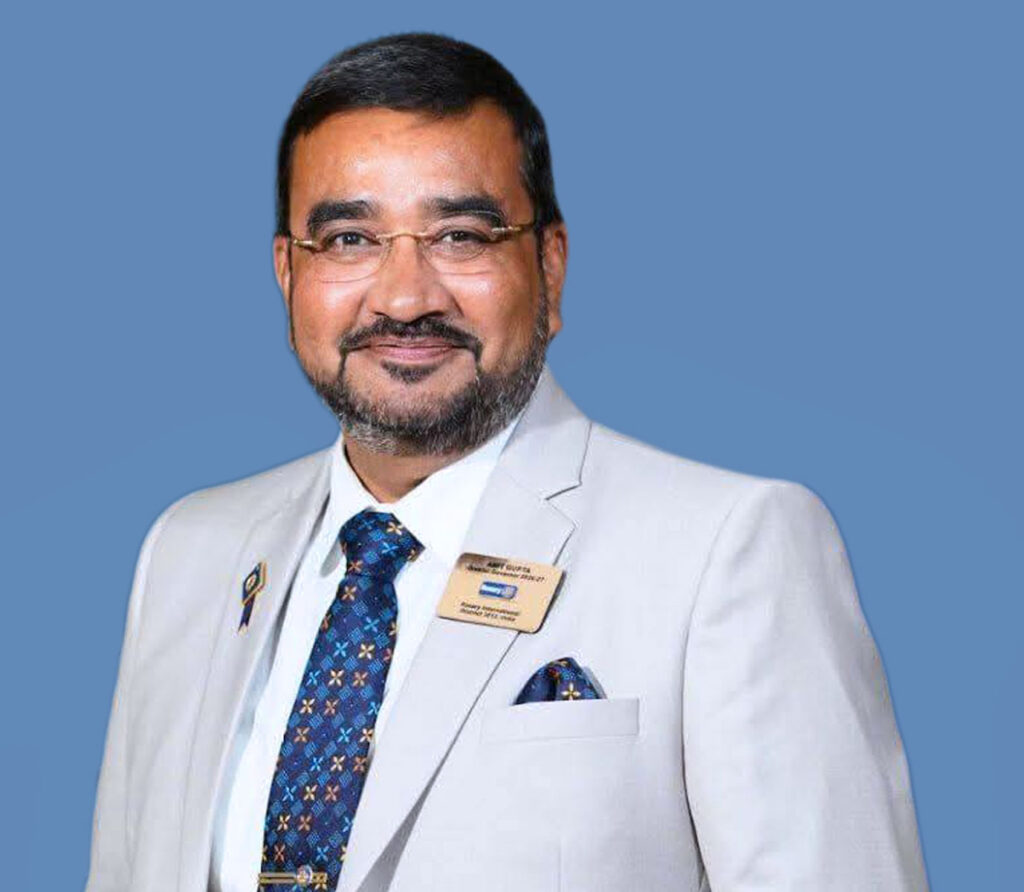
New Rotary clubs will be set up in the unrepresentative areas of the national capital region (NCR) around Delhi as “there are many places like Simbhaoli and Wave City where Rotary is yet to make its presence felt,” says Amit Gupta. His district has 145 clubs and 4,100 members at present; he wants to charter 8–10 new clubs with “focus on a net membership growth of 500.”
A clutch of GG projects has been lined up: Computer labs will be set up in 50 government higher secondary schools (GG: ₹2.5 crore); a thalassaemia testing machine for the Rotary Blood Bank, Sonipat (GG: ₹50 lakh); and two dialysis centres with two machines each (GG: ₹50 lakh) will be inaugurated at a charity and government hospitals in the NCR.
Talks are on with the UP government to acquire one-acre land near Ghaziabad to build a Rotary School (Class 6–12), which will be funded by a mix of CSR grant, GG and member contributions (₹3 crore). For TRF, the target is $1.5 million. He joined Rotary in 2008 which has enabled him to think about and do much bigger charity than he was doing earlier.
During Covid times, he procured Remdesivir doses for treating his mother. “I got a call from a Mumbai Rotarian asking for help to vaccinate his Covid-hit relatives in Ghaziabad. I immediately gave the doses to them.” As a Rotarian, “I am giving back more to society as my life perception has changed,” he smiles.