


The Rotary Club of Jalgaon, RID 3030, is helping tribal women turn a traditional forest resource into a source of sustainable income. The club recently organised a two-day workshop in a village located 70–75km from Jalgaon in the Satpura mountain range, where 38 tribal women were trained to prepare a variety of value-added products using mahua flowers.
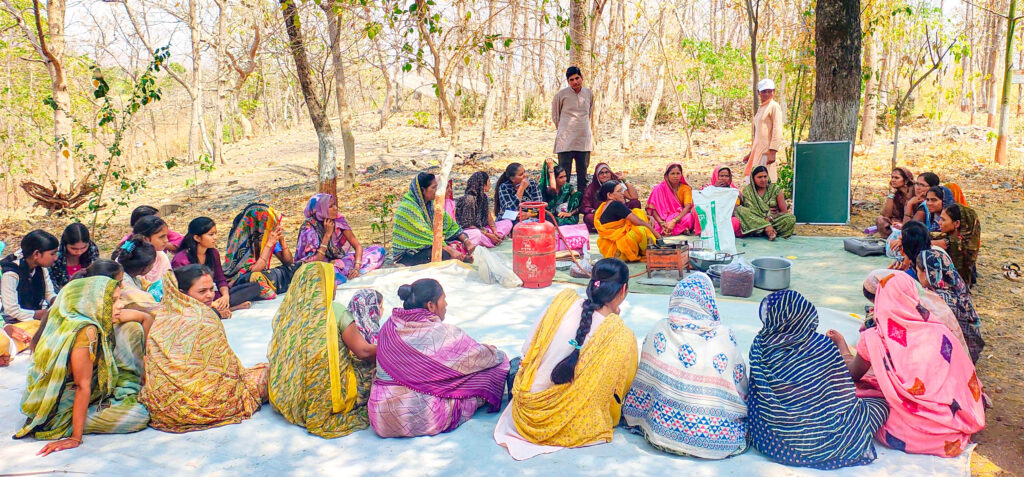
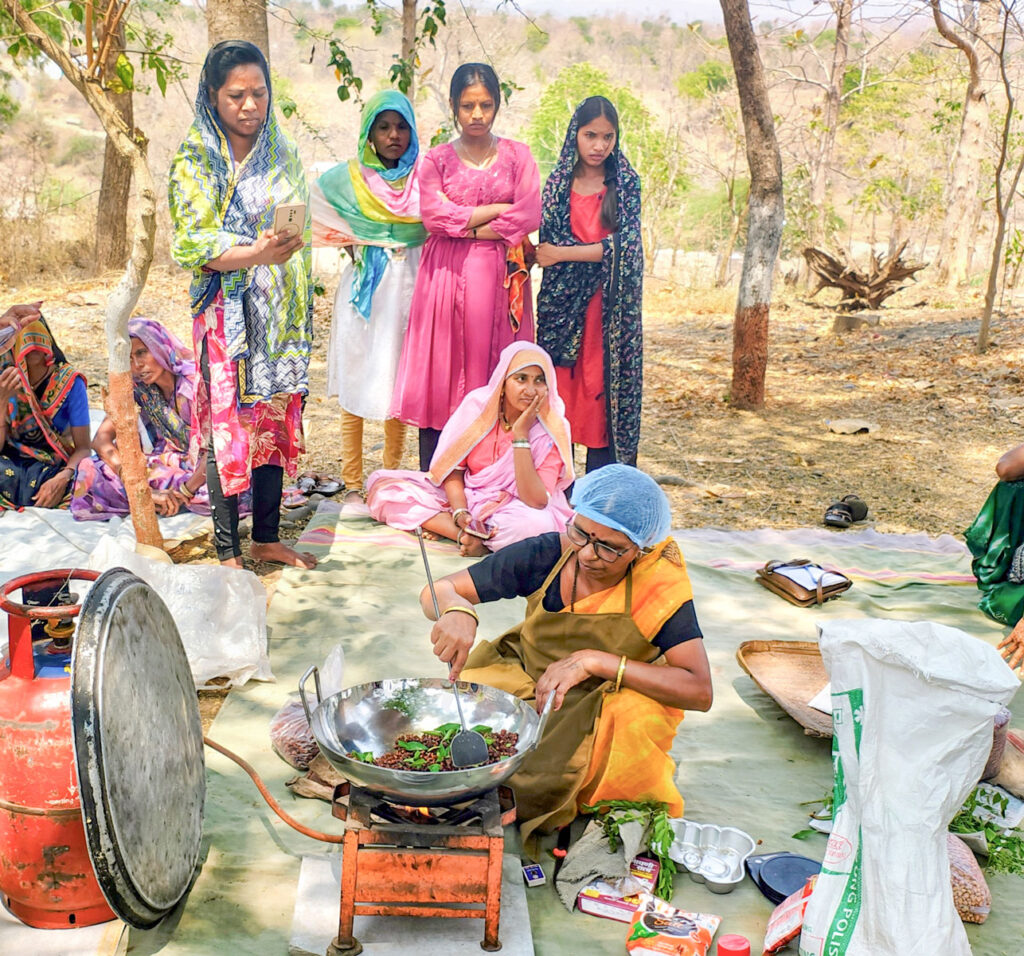
The workshop was led by Dr Sathish Gogulwar from Gadchiroli, an expert in the field, who taught participants to make chivda, laddoo, cakes, gulab jamun, jam and barfi from mahua flowers. He also guided the women on packaging, marketing and selling these products, enabling them to earn a livelihood from a resource abundantly available in their region.
“The mahua trees are aplenty in this area and villagers traditionally ferment the flowers to make Mahua wine and other alcoholic beverages. Through this workshop, we wanted women to discover alternative and more profitable uses of these flowers,” says club president Girish Kulkarni.
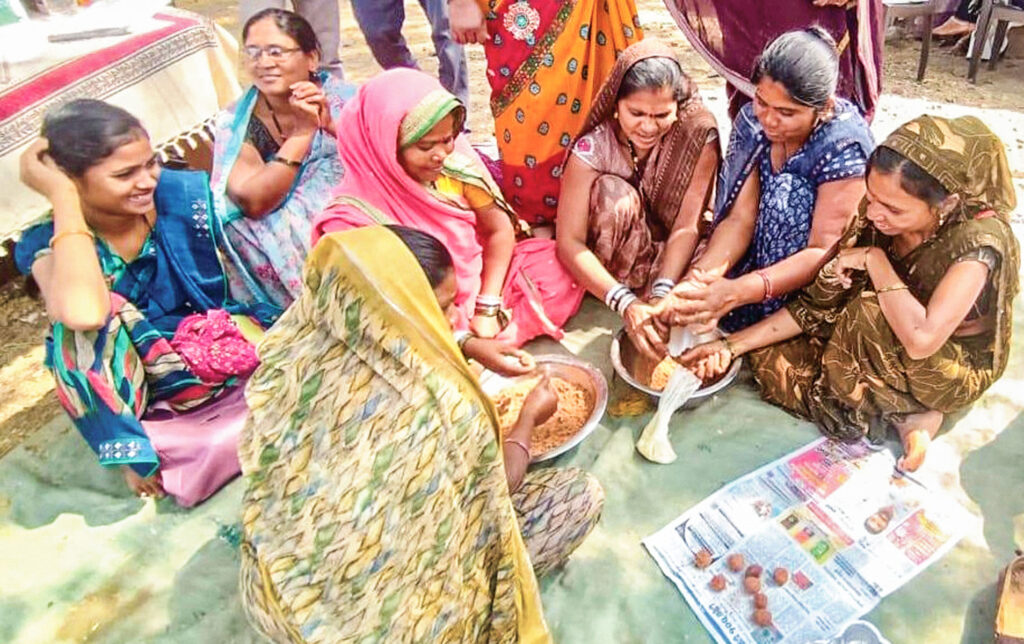
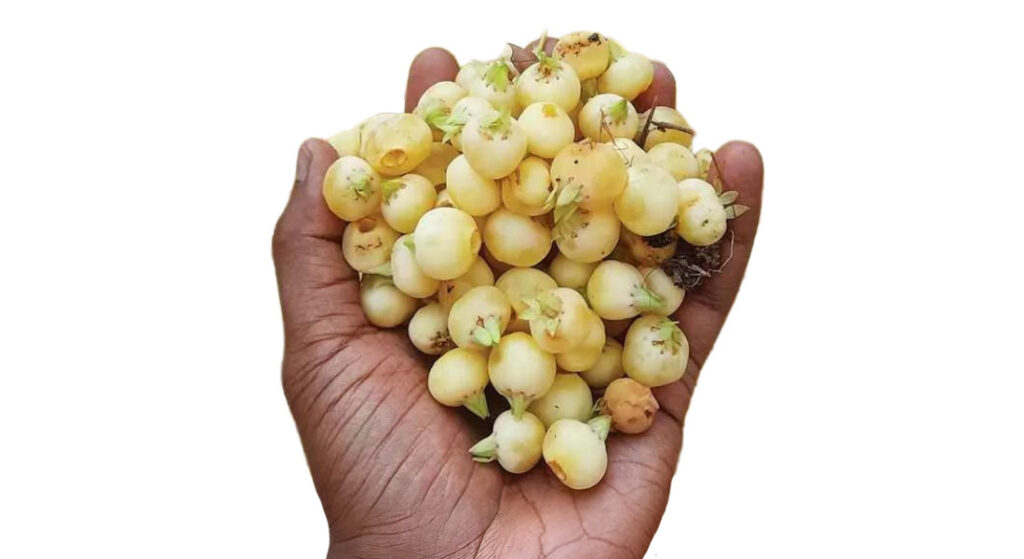
The mahua tree occupies a special place in the lives of tribal communities across central and western India. Its sweet, nutrient-rich flowers are edible and highly versatile. Traditionally, sun-dried flowers are used as a natural sweetener in dishes such as kheer, halwa and puddings. They are also valued for their medicinal properties and are often consumed with curd or in syrup form.
Rich in vitamins, calcium, iron, proteins and enzymes, mahua flowers are known in Ayurveda for supporting immunity, improving digestion and combating weakness. They are also believed to possess analgesic and cooling properties, and are used in traditional remedies for respiratory ailments and lactation support.
Rich in vitamins, calcium, iron, proteins and enzymes, mahua flowers are known in Ayurveda for supporting immunity, improving digestion and combating weakness.
By introducing the women to the nutritional, medicinal and commercial value of mahua flowers, Dr Gogulwar encouraged them to make productive use of a resource that is readily available in their surroundings.
The Gandhi Research Foundation, an NGO that works with tribal population, coordinated with the villages for the workshop.
Beyond its community service projects, RC Jalgaon also nurtures fellowship and learning through an innovative initiative called Rotary Vachan Katta, a book-reading session held on alternate weekends. Unlike conventional fellowship meetings, members bring books they would like to recommend, read selected passages and discuss ideas that have inspired them.
As part of this Rotary Reading Circle series, the club recently organised a special ‘Couples Edition’ titled You are my companion. Eighteen couples took part in the programme, with each participant reading a self-written two-minute tribute to his/her spouse.
The event provided a platform for members to express gratitude, recount shared journeys, acknowledge sacrifices and celebrate the partnerships that support their Rotary service. “The programme revealed the human stories behind Rotarians and strengthened bonds within the Rotary family. Participants described the experience as inspiring, emotional and memorable,” says Kulkarni.