





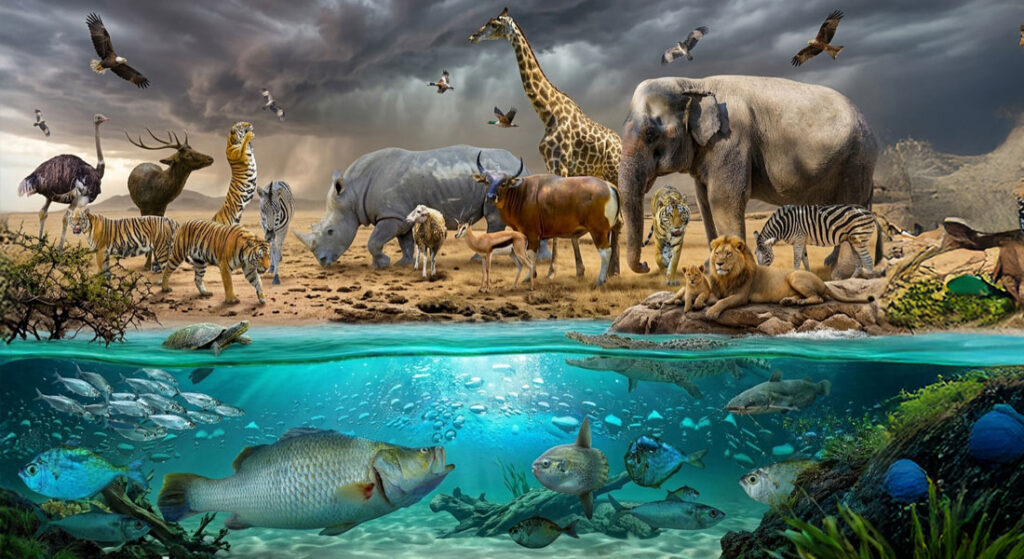
To protect the human species, we need to protect our entire ecosystem, including every plant and animal.
Wildlife conservation doesn’t resonate with most people. We are increasingly aware of global warming and the need to preserve our forests, but saving our wildlife doesn’t receive the same level of attention. While we appreciate the fierce beauty of the tiger, the majesty of the lion, and the strength of the elephant, we often overlook the importance of conserving the diverse range of creatures that share our planet, including insects, birds, and butterflies.
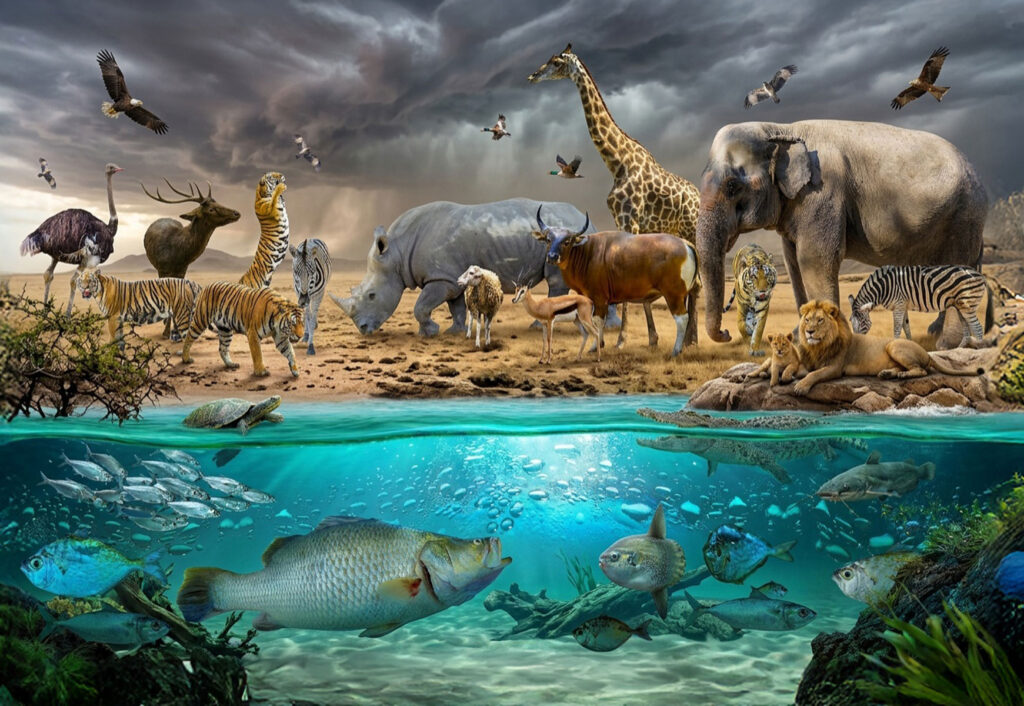
Many of us may not fully understand the purpose of wildlife preservation. Some may feel protecting other living beings and species seems to have little connection to human life, other than existing alongside us. The reasons for conservation often remain unexplained, leaving many in the dark. And that is what I want to focus on this month — the significance of wildlife conservation and how each of us can contribute to this vital cause.
Wildlife conservation means protecting all natural ecosystems, which are made up of plants and animals in a specific area along with their environment. Ecosystems are complex systems where each and every species plays a crucial role that is not replicated by another. Losing even one species can lead to serious issues of survival of the planet and us, the human species. What can happen? Food chains can get severely disrupted, nutrient cycles can change, upsetting entire ecosystems.
By conserving wildlife, we are helping to keep these ecosystems healthy and strong, which support nature’s delicate balance of resilience and biodiversity — the variety of plant and animal species essential to a thriving environment.
We understand the importance of protecting our forests, as trees and plants replenish the atmosphere’s oxygen through photosynthesis. But what role do animals and birds that live within this green canopy play? Animals and birds play a critical role in helping plants and trees thrive and multiply. They assist in pollination and the dispersal of seeds, which allows new plants to sprout and develop into trees. For instance, elephants contribute by trampling the ground to thin out the tree canopy, creating more space for young plants to grow. Additionally, their faeces enrich the soil and spread seeds, thanks to their herbivorous diet.
In contrast, take a predator like the lion. What is its role? It prevents ecosystem degradation and overgrazing by controlling herbivore populations like the deer and zebra. While bees, butterflies and bats have a sustaining role to play. They pollinate 75 per cent of all flowering plants and 35 per cent of food crops, according to one estimate. They also help in pest and disease control.
You can explore further examples of how important a particular animal is in the food chain and in conserving nature by reading books and papers on the subject.
But how can you as an individual play a role in conserving animals and conserving nature?
Direct actions like regularly supporting conservation groups and NGOs working to save endangered species would be a great help as funds are constantly needed to sustain serious activity the year round. But if that is not possible, there are other ways of raising awareness, beginning with educating oneself and the immediate family and community we live in.
Ethical personal actions also go a long way in contributing to the cause. First and foremost, simply never buy products made from endangered animals such as ivory or snake skins. Also, avoid buying exotic birds and other pets that are on the banned/illegal list. As a person dedicated to environment conservation make it your duty to inform the authorities if you come across poaching or any illegal wildlife trade taking place. I saw an excellent television series based on a true story from Kerala titled, ‘Poacher’ on Amazon Prime. It has English subtitles and is a must watch.
If you are a person who loves to visit wildlife sanctuaries, national parks or biosphere reserves, be sure to follow all guidelines that have been set for the safety of the animals and for visitors. It is important to remember that you are in another species’ space and their right to their habitat comes first. As a visitor you need to respect the animals and leave no human intrusions behind. I know of people who think visiting a wildlife sanctuary is akin to going on a light-hearted picnic. Without a thought, they throw plastic bottles, bags, and other waste out of the vehicle they are travelling in, with scant regard to the fact that this territory does not belong to them.
But then there is hope as we also have groups of young environmentalists who are dedicating their energies to clean up forest areas. Take for instance the Target Zero Plastic group from Coimbatore, Tamil Nadu, who rappel down cliffs and slopes in Valparai, in the biodiverse Western Ghats to collect plastic waste and discarded liquor bottles. According to a recent report in ‘The Better India’ they have managed to remove 560 tonnes of waste and are continuing their effort.
Today, we also have multiple cases of human-animal conflict as animal corridors are shrinking due to human beings wanting to grab all the land they possibly can. Here, taking a stand is important in support and on behalf of the natural ecosystem consisting of animals, plants, and tribal communities that live within this ecosystem.
One last thing, and perhaps the most important. If you are in a position or a situation to enforce the right legislation and policy, please be sure to enforce and strengthen wildlife protection laws. If you don’t do it, who will?
The writer is a senior journalist who writes on environmental issues