



In 2022–23, when Ved Prakash Kalra was the district governor of RID 3080, his clarion call Rotary chale gaon ki aur (let Rotary concentrate on villages) was taken very seriously by at least one club — the Rotary Club of Chandigarh Mid Town and its club leaders.
Led by its then president Sanjay Kalra, apart from other village improvement projects, the club decided to set up a vocational training and skilling centre in the village Bir Ghaggar, located about 20km from Chandigarh. This village was chosen because the club had already done some community welfare projects here. The DG had urged each club in the district to adopt a village and improve living conditions there. “We chose this village not because of our convenience, even though proximity to this village is there as it is only 20km away,” says Pradeep Sisodia, who was then vice-president of the club.
Even though Bir Ghaggar was so close to Chandigarh, it lacked so many basic facilities, beginning with no electricity; it did not even have street lights. To begin with the club did a solar electrification project here and followed this up with several other projects which were initiated based on the needs of the local community, says past president Kalra.
The villagers here comprise a very mixed community given its proximity to a big and modern city like Chandigarh. Apart from farmers and farm workers, there are daily labourers and also women who work as housemaids. “We did quite a few big community service projects for the village such as rainwater harvesting, developing a park for the local school, and setting up an anganwadi. But while doing a needs-based assessment with the village leaders, including the tahsildar, we were particularly asked to start a vocational training centre, specially for the youngsters,” says Kalra.
The Rotarians were briefed by both the tahsildar and the municipal counsellor that there was a big drugs abuse problem in the village and the youngsters were getting addicted to drugs. After passing out from high school very few were interested in pursuing higher education. With an empty mind being the devil’s workshop, they indulged in all kinds of nefarious activities; apart from drugs abuse there were crimes being committed like thefts and other illegal activities. “They stressed upon us the need for some structured vocational training which would not only give economic independence to the young, specially the women, but also result in gainful employment of their time,” says the former club president.
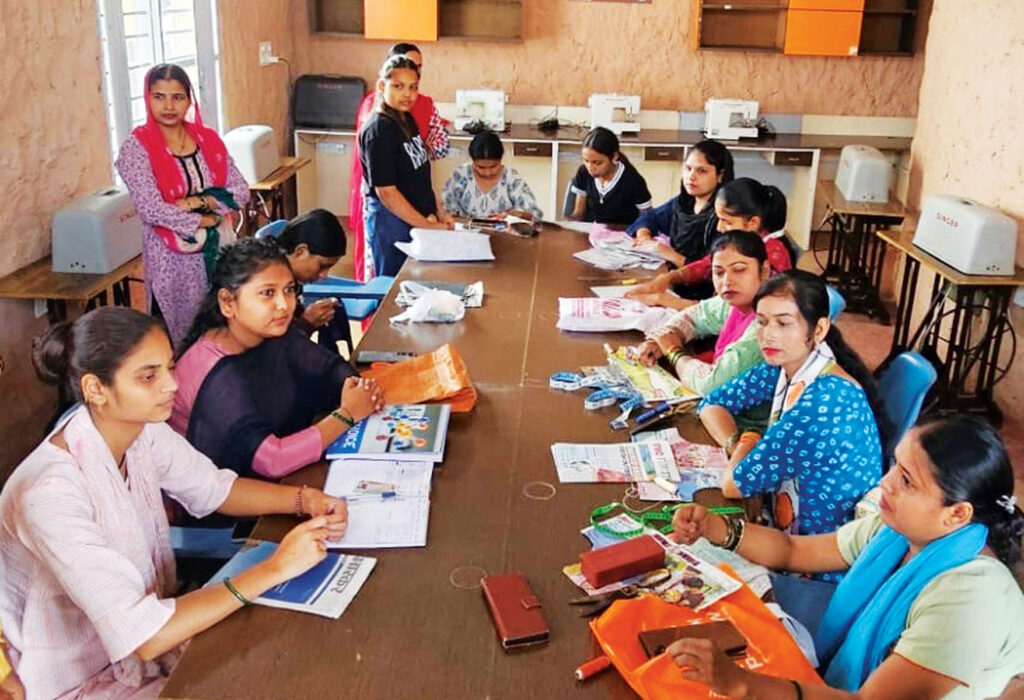
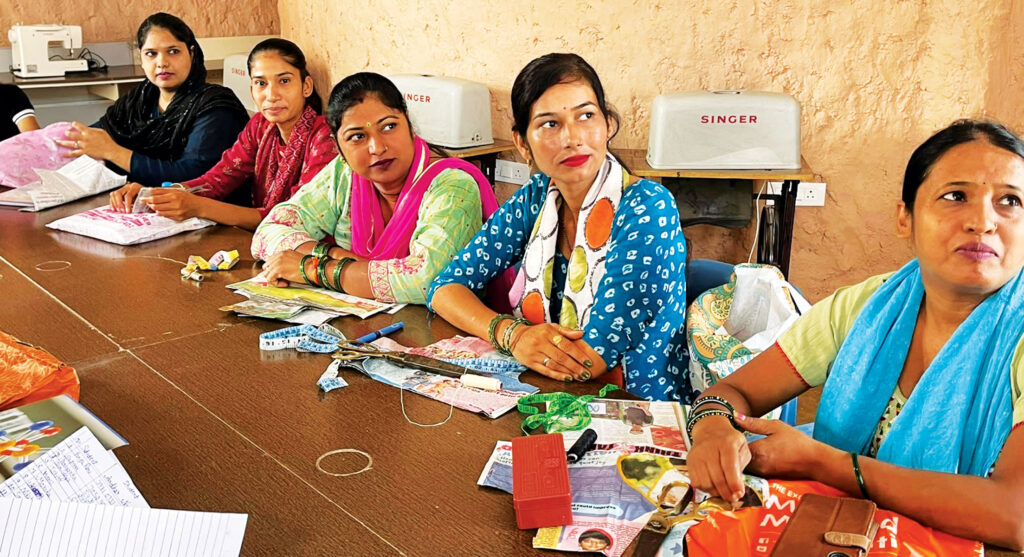
The club’s team devised a plan to set up a vocational centre and “we all agreed that we must do something substantial to provide a good opportunity for economic independence to the women. We decided to set up tailoring and beauty care courses for women and computer classes for both boys and girls. Apart from this a music course was also started and we bought musical instruments such as a tabla, harmonium and a keyboard and employed a teacher to train them in singing,” he adds.
But, says his vice-president Sisodia, “To turn the vision of a vocational centre into reality required commitment, persistence and ownership. Our club’s past president Ashok Puri played a pivotal role in this journey… right from identifying Bir Ghaggar, understanding the needs of its community to bringing together the resources and partnerships needed to make the project possible.”
With total funding of $40,000, this project became an inspiring example of how a local vision can be strengthened through Rotary’s spirit of partnership and international cooperation.
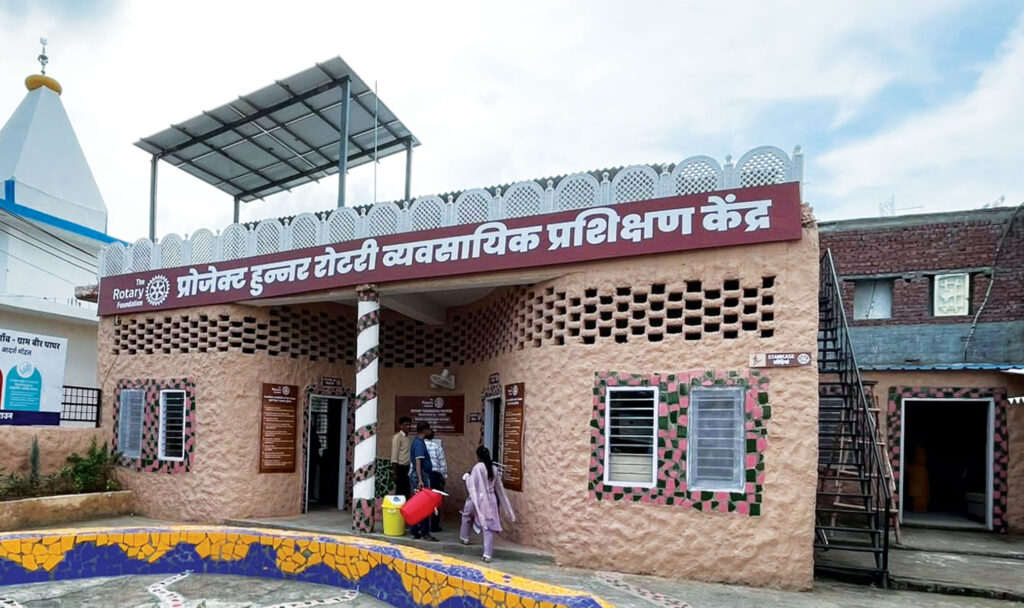
To raise the funds critical to set up what the Rotarians named the Hunnar Vocational Centre, that offers varied skilling options to the villagers, Ashok Puri approached his brother in the US, Anil Puri, past president of the Rotary Club of Twin Cities ( Centralia-Chehalis), RID 5020, US. The project was subsequently supported through a Rotary global grant, bringing together contributions from Rotary clubs, District Designated Funds and The Rotary Foundation’s World Fund. “With total funding of $40,000, this project became an inspiring example of how a local vision can be strengthened through Rotary’s spirit of partnership and international cooperation,” he adds.
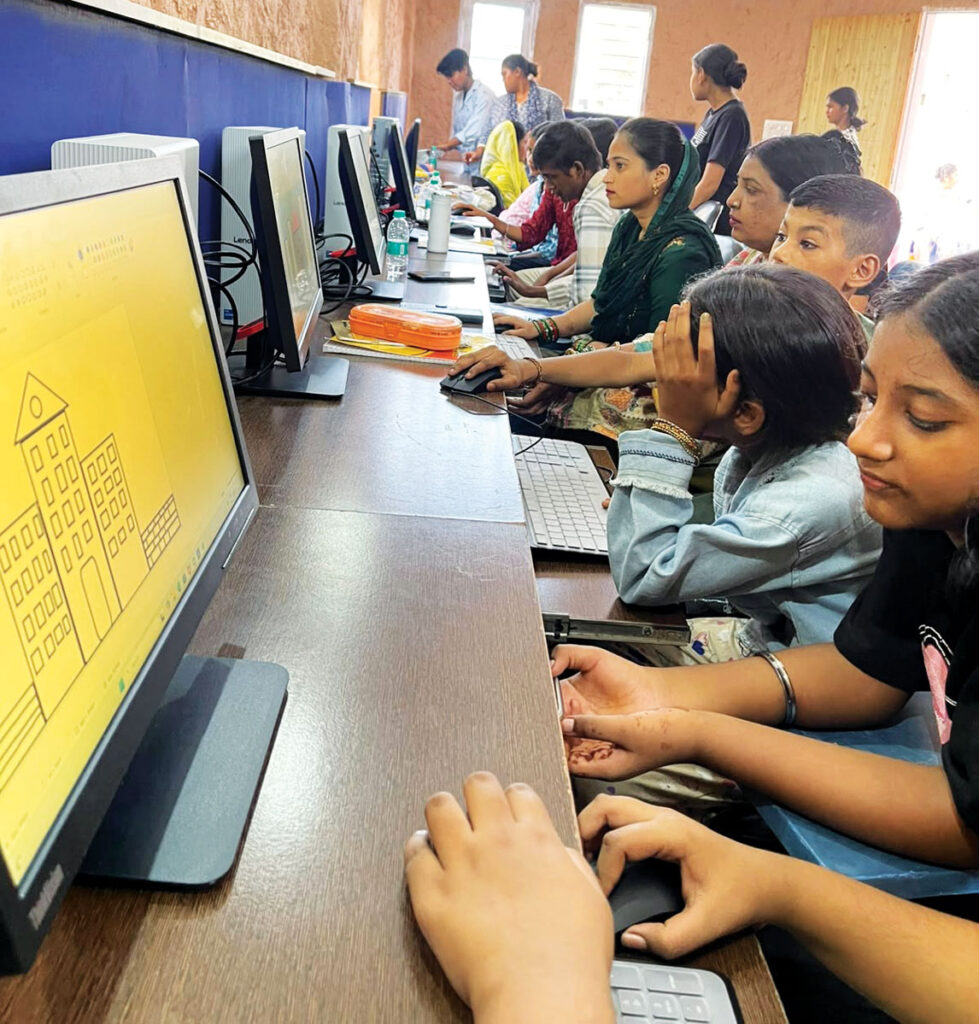
To establish this centre, a panchayat building, which was in a neglected state, was identified, and the Rotarians renovated and spruced it up. Here three vocational training courses — tailoring and computer courses for 20 students each, and a beauty care training course for 10 women, apart from the singing course, have been started. Each of the three vocational courses will last for three months, and the trainees have to pay ₹100 a month for it. “Even this money we waive for people who can’t afford to pay; we don’t offer these courses totally free because what is given for free is often not valued,” says Kalra.
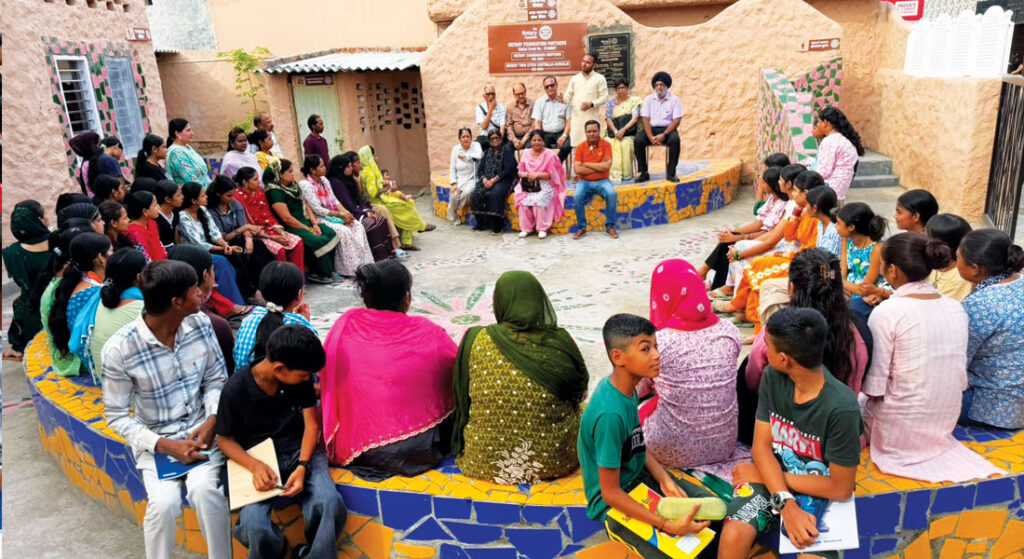
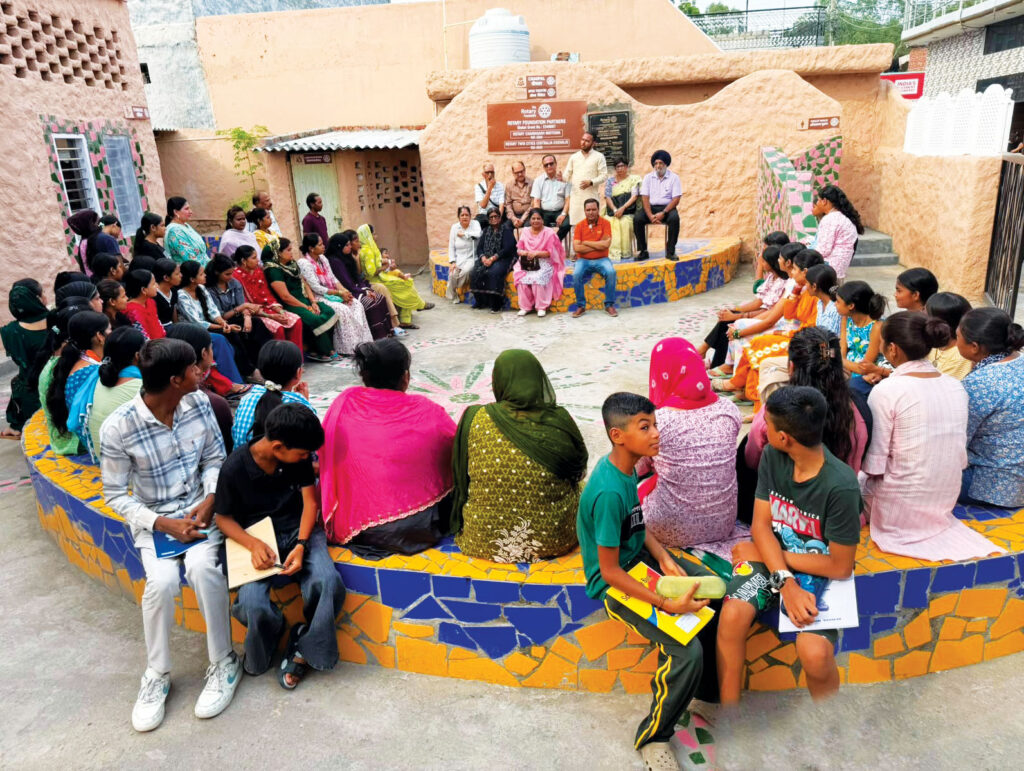
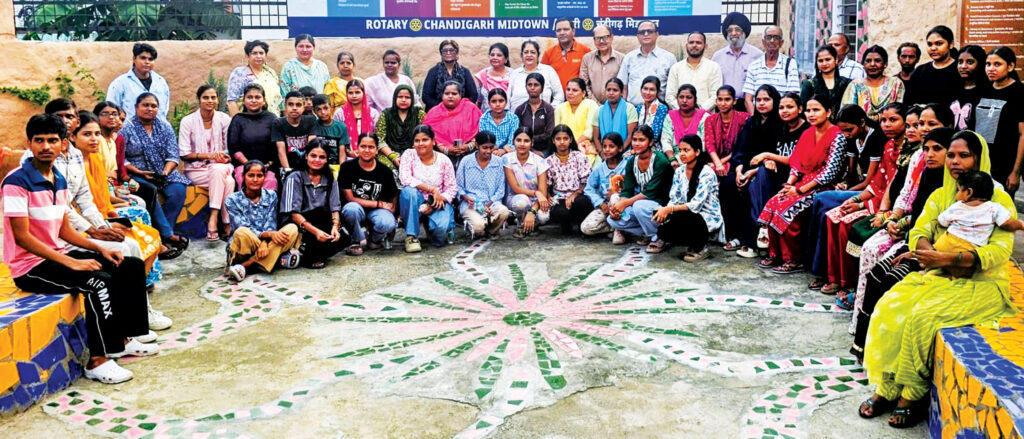
This centre was inaugurated on July 1 and the event was attended by RID 3080 DG Rita Kalra, club president Renu Chopra, IPP Jagvinder Bawa, Sanjay Kalra, Ashok Puri, Pradeep Sisodia, and leaders and beneficiaries from the village.
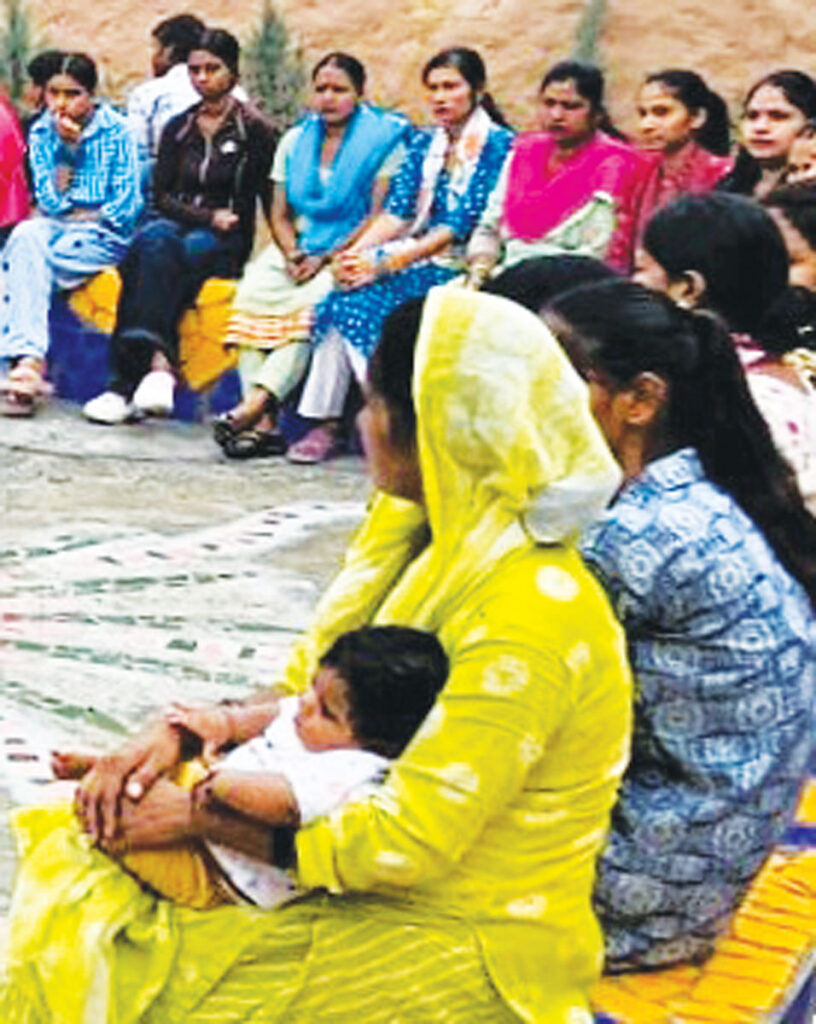
Adds Sisodia, “Through meticulous planning and working together, we have executed a simple but powerful idea; instead of only addressing immediate needs, create opportunities that will enable local women and youth to learn practical skills, gain confidence and become self-reliant. Our centre is not just a renovated building. It has already begun to breathe with the energy, aspirations and dreams of its first batch of 50 students for the three courses.”
Giving the example of 28-year-old Shashi Bala, who is undergoing classes in sewing and tailoring with enthusiasm and dedication, he adds, “For her and the other students, these are not merely training programmes, they are the pathways to employment, possible entrepreneurship, and a brighter future in which not only their own but their families’ lives will be changed too.”