



The first challenge at the three-day Rotary Youth Leadership Award (RYLA) camp in Akola, Maharashtra, had little to do with leadership: “The students had to give up their phones and share rooms with students from other schools. For teenagers accustomed to friendship within their own school, this was an unfamiliar start. More than 100 students from Classes 9 to 12 were asked to work together over various activities. There was a lot of fussing, but at the end of the three days these kids were asking why the camp could not continue for a few more days,” says Mohit Agarwal, member of RC Akola Mid Town, RID 3030 and the RYLA coordinator.
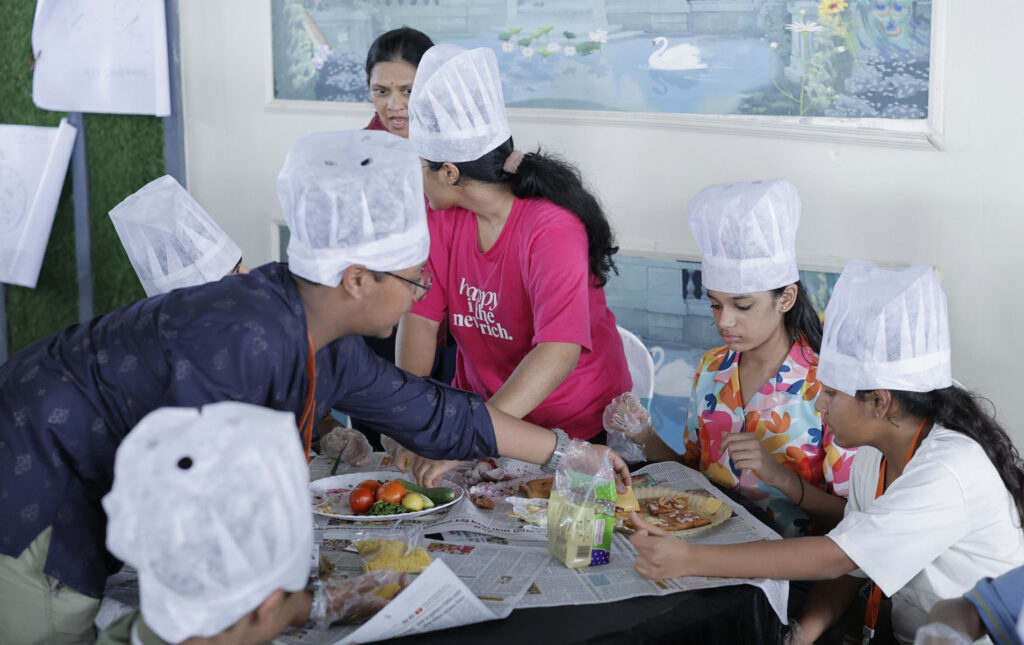
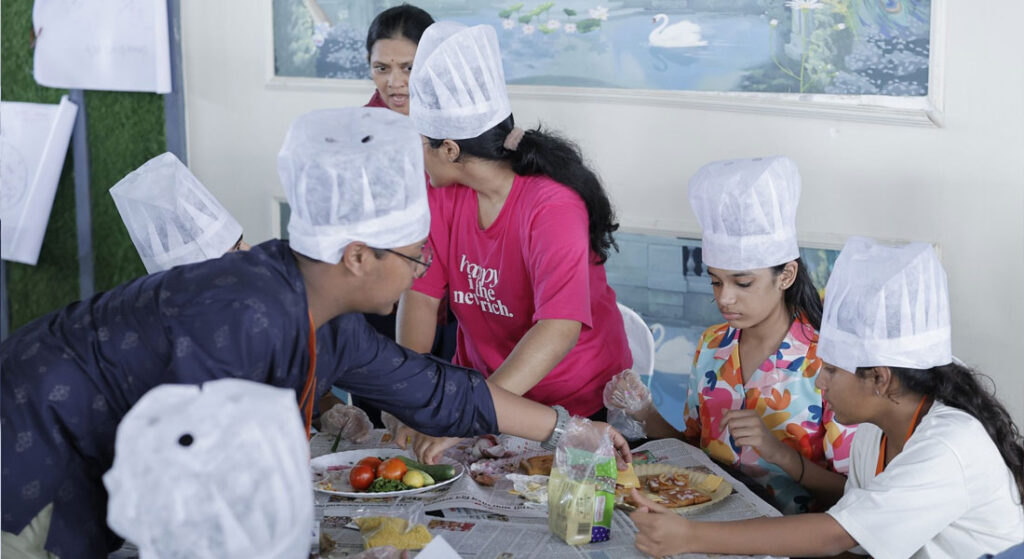
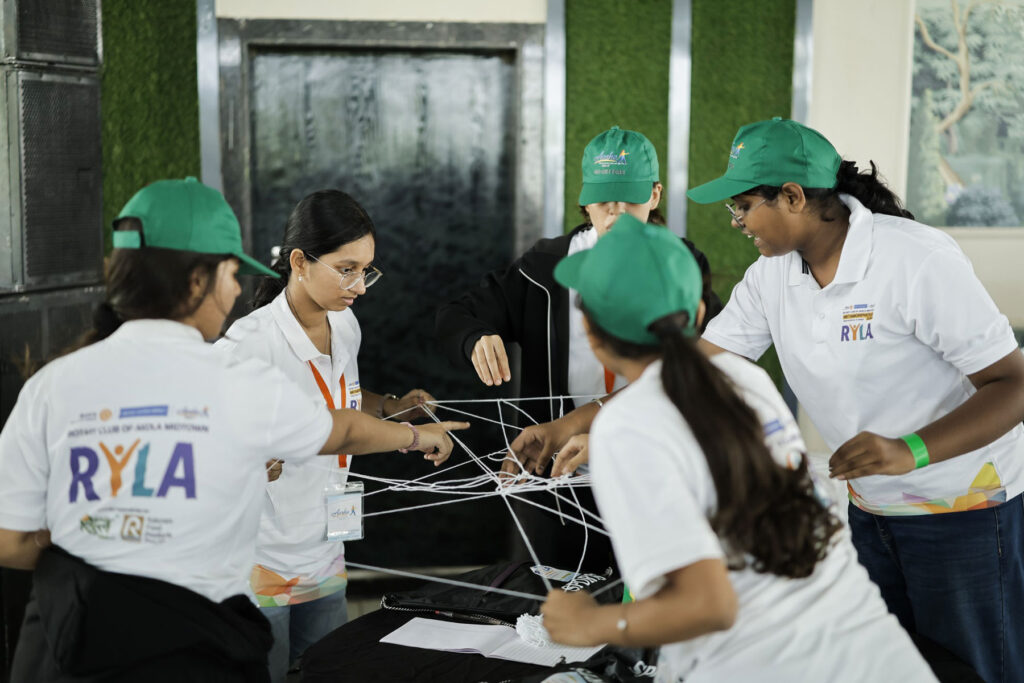
Students took part in a fireless Master Chef contest, pitched imaginary products, performed on stage, and attended sessions on leadership, communication, teamwork, yoga, stage presence, and worked together on different challenges, he says. The three-day RYLA programme, called Metamorphosis 2026, cost ₹8,500 per student, with the club subsidising the fee to ₹5,000.
Agarwal is reluctant to call three days transformative. “Three days are definitely not enough. We were not trying to turn teenagers into finished leaders in 72 hours. Instead, we had designed activities to get students to participate, listen to one another, work in teams and take responsibility for solving problems.” The programme used a mix of presentations, videos, demonstrations and stage activities.
Agarwal says “the central idea behind the programme was that leadership does not necessarily mean being the person giving instructions. First, you’re supposed to be a good listener. Leadership is the ability to understand a team, communicate and bring out the best in them.”
For Sheetal Gandhi, an educationist and corporate trainer who coordinated all the sessions at the camp, “small changes were more important than any dramatic overnight transformation.” She noticed that some students were reluctant to speak during the first session. By the next session, some had begun participating. “That decision — whether to raise a hand, speak before a group or take part in an unfamiliar activity — can itself be the beginning of change.”
The camp also put these young people into a setting where they could exchange ideas with one another. “Imagine the possibilities created by 100 students connecting. Students were not simply receiving information from trainers, they were engaging with dozens of peers with different ideas, experiences and ways of approaching problems.” That peer interaction, she believes, “can be as important as the formal sessions.”
So how long do the effects of a three-day RYLA last? I ask her. She says, “The answer lies in what happens after the students return home. The camp should not be seen as a standalone experience. If these 100 students can be brought into Interact or Rotaract, and continue to be part of leadership programmes, this follow-through could determine whether the three-day experience becomes more than a brief break from school. The friendships formed at the camp, the confidence to speak up, and the experience of working with unfamiliar people have a better chance of lasting if students are given a platform to practise those skills again.”
Agarwal says that while schools may offer leadership opportunities to only a handful of students, RYLA gives every participant a chance to take the lead. “It is a brilliant idea to have these students join Interact and Rotaract. We will have to see what can be done,” he says.
The RYLA was aimed at “students from English-medium schools and came with a fee. The next RYLA, planned for October, will focus on students from rural and lower-income communities. We plan to use trainers and speakers who can conduct sessions in Hindi. So that students can engage in a language they understand more comfortably,” he says and adds that the rural programme “will provide an opportunity to test whether the same model works when the participants, language and socioeconomic circumstances are different.”
The programme included sessions by Harssh Poddar, an IAS officer and leadership trainer who studied at the Harvard University. Saurabh Bothra, founder of Habuild, conducted a meditation session, teaching the students techniques to prepare mentally before an activity and to wind down afterward. Ashish Deshmukh, a local MLA, addressed them on how to face challenges as a leader.
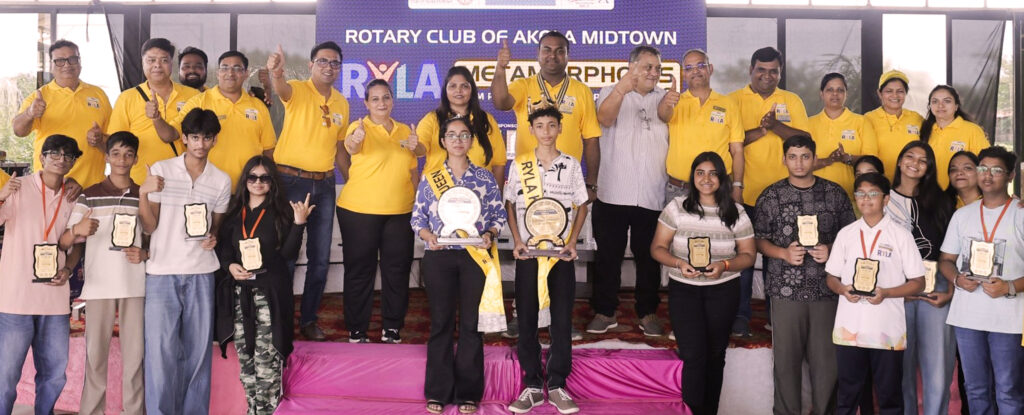
Rishon and Khyati, who won the RYLA King and RYLA Queen titles, were given an opportunity to host their own podcast organised by the camp. “We discussed leadership and the way young people increasingly view it not as the achievement of one individual but as the result of a team’s collective effort,” says 15-year-old Khyati.