





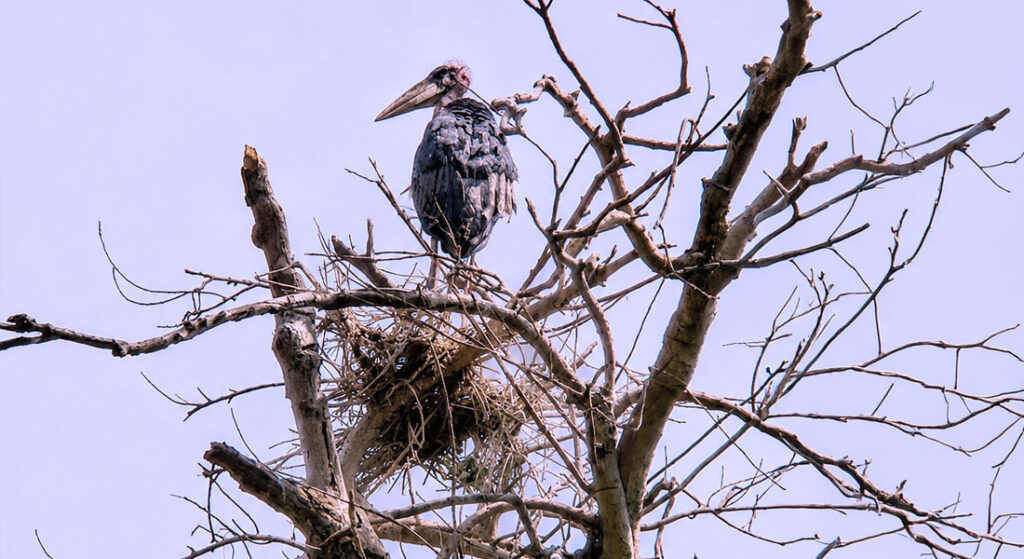
Rotary clubs in India are taking up projects related to protecting and safeguarding our environment but most of these projects are related to greening the earth by planting more trees, with focus on strengthening our biodiversity. While the 70 member- strong Rotary Club of Bhagalpur, RID 3250, has also decided to plant over 200 trees, there is an interesting twist to their perspective. This is related to planting mostly Kadamba trees, and with a specific purpose.
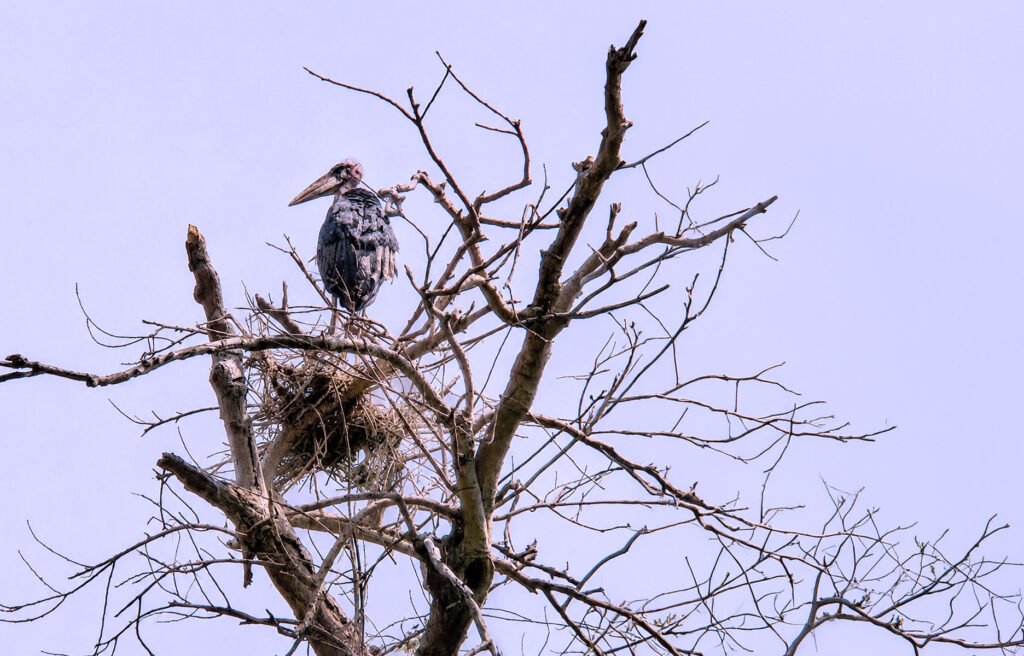
Anupama Kumar, immediate past president of the club, explains that this project’s main objective is to provide ample and better habitat for the Garud bird, which is known to nest and thrive on the Kadamba trees. She says they found that in Khairpur Kadwa, about 27km from Bhagalpur, there is a government school, where there are a couple of Kadamba trees for the Garud birds to nest and thrive.
Her interest in doing this project is to create a favourable habitat to save the Garud (mythical name for the bird which was the vahana of Vishnu) or the greater adjutant stork from near extinction came from her interaction with Bihar’s famous ornithologist Arvind Mishra, who lives close to her house in Bhagalpur. Mishra had worked for 13 long years to save the greater adjutant stork from near extinction and with the help of locals had created a safe habitat for this species of birds to survive.
“Whenever a bird, such as an eagle, is injured in our neighbourhood, we call him and ask for his help. He told me that the Garud’s numbers had come down to a mere 200 and had been increased to 700 through the efforts of the group he had put together.”
If a Garud falls from the tree or is injured, Garud saviours take it to a designated government sanctuary, treat them in recovery rooms, and release them when they can fly back to their natural habitat.
Anupama says that through Mishra she had learnt several interesting facts about the Garud as also the Gangetic River dolphins which are found in the Ganges flowing through Bhagalpur and are an endangered species as well. “He said there are Garud and dolphin saviours and these people do honorary work to save these species. For example, if a Garud falls from the tree or is injured, they take it to a designated government sanctuary close by where they are kept in recovery rooms and treated, till they can fly back, and are then released so they can go back to their natural habitat.”
Enthused with the idea of doing something to help the Garud, once the Rotarians learnt that they live on Kadamba trees, which are ideal for these heavy birds, each of which can weigh up to 14kg, they decided to plant these trees. An ideal habitat for the Garud is a tree which has branches that are strong and firm but also flexible, so that they can take the weight of these heavy birds without snapping. The Garud can also nest in the banyan tree, but the Kadamba tree is considered ideal for them.
Interestingly, just like the Garud, the Kadamba tree, known for its ecological and medicinal properties, also holds deep spiritual significance in Indian mythology. The Kadamba is a fast-growing tropical tree which can grow up to the height of 45 metres and provides an ideal home for the Garud. Beginning in March 2026, under this project, some 200 Kadamba trees were planted on both sides of the road near this school, and in between the Kadamba trees, jackfruit trees were planted. Gabions (galvanised wire-mesh enclosures to protect the trees) were acquired and two people have been hired to water the trees.
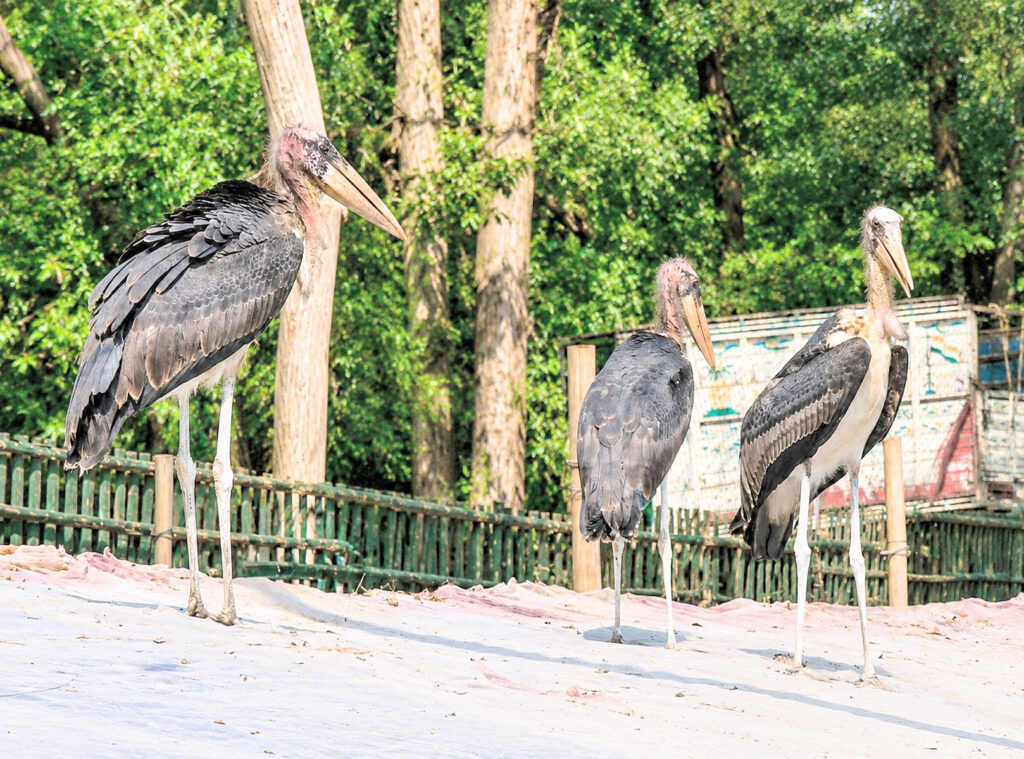
Anupama says this conservation project has given them a lot of satisfaction as “we feel that we have done something to enhance the precious habitat and peaceful shelter for the majestic Garud birds, a rare species whose numbers were nearing extinction. Kadua, and some parts of Assam, are the very few places where this rare bird can be seen. More than just a plantation activity, the initiative is a meaningful step to protect our biodiversity, restore ecological balance, and ensure that future generations can continue to enjoy watching the beautiful Garud birds in their natural habitat.”
It’s good to know that women-led initiatives continue in the conservation space. In Assam, women have joined ranks to save the greater adjutant stork, known locally as the ‘Hargila,’ (like the Garud in Bhagalpur) which was considered locally a “dirty, smelly bird” that villagers would attack. The women, calling themselves the Hargila Army, incorporate the birds into their songs, prayers and weavings to help protect the species and spark appreciation for them. This has also helped to enhance their numbers.