


Maasai Mara and the Serengeti. They conjure up images of prides of lions, herds of elephants, zebras, giraffes, cheetahs and leopards. The opportunity to see one of the predators hunting a prey. Not to mention the wildebeest crossing, a spectacle by itself, made more exciting by the prospect of watching waiting crocodiles catch zebras or wildebeests. This is what a group of 10 of us were hoping for when we heard about an imminent crossing on the walkie-talkie chatter and our drivers took us to the river bank on the Maasai Mara side. We were excited and anticipated some action. There was a herd of zebras and wildebeest grazing above the slope to the river.
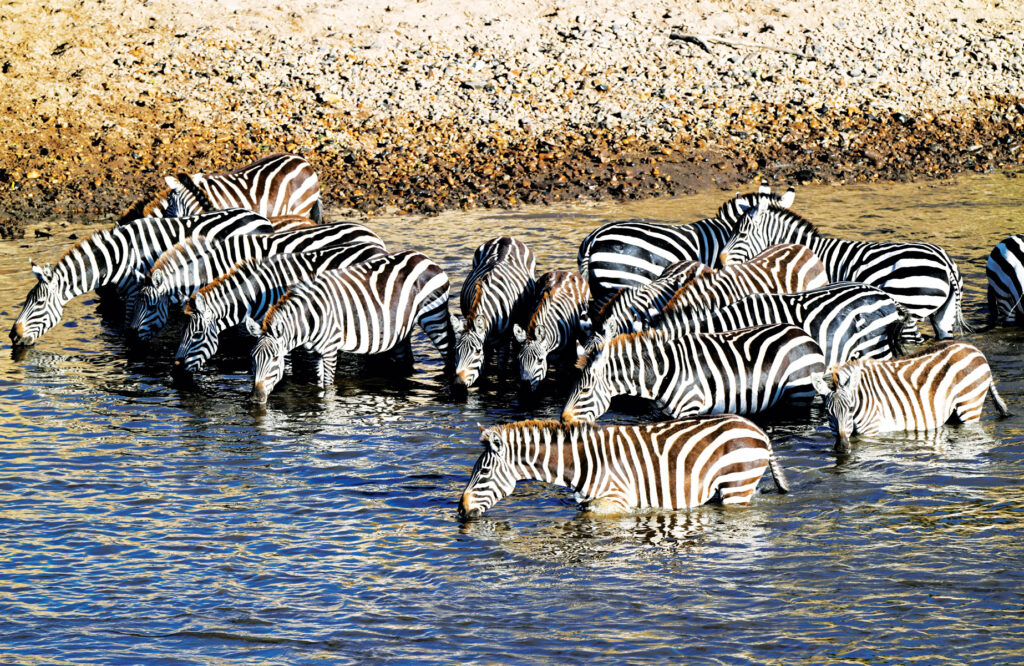
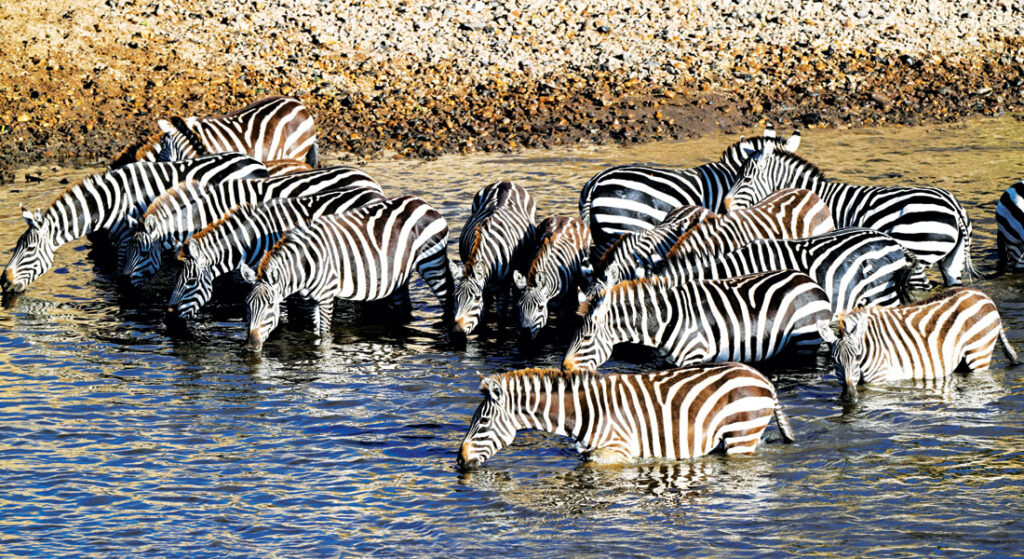
A small herd of zebras was at the water’s edge, quenching their thirst from what appeared to be a quiet Mara. The 10 of us were on the other side, watching eagerly from two re-modelled Toyota Landcruiser 4x4s, the makeshift roofs were open, almost all of us were standing on the seats craning our necks to catch a glimpse of the zebras and wondering whether they would cross the Mara. Unfortunately, this herd was more interested in quenching its thirst than crossing over to the other side — from Serengeti to Maasai Mara. The zebras climbed back up the embankment and started grazing. We were disappointed. We were hoping that the zebras would cross the river and that would lead to a large number of wildebeests that were grazing following suit.
It was tranquil. The animals were not making much noise. Only the humans were. The wind was strong. Small birds, mostly bee-eaters, twittered, flitting between tall blades of grass to small bushes. Nothing seemed to have changed. But not quite. The crocodiles that feed on the chaotic crossing of the zebras and wildebeests had sensed the presence of the animals and moved close to where the zebras had come down for a drink. From our vantage positions on the other bank, we could see through our binoculars the crocodiles waiting motionless in the water. If you had not seen them gliding across the water, you would have mistaken them for rocks. Now that the zebras had walked up the embankment and started grazing again, should we head to another location to spot predators or should we wait? Thankfully, we decided to wait.
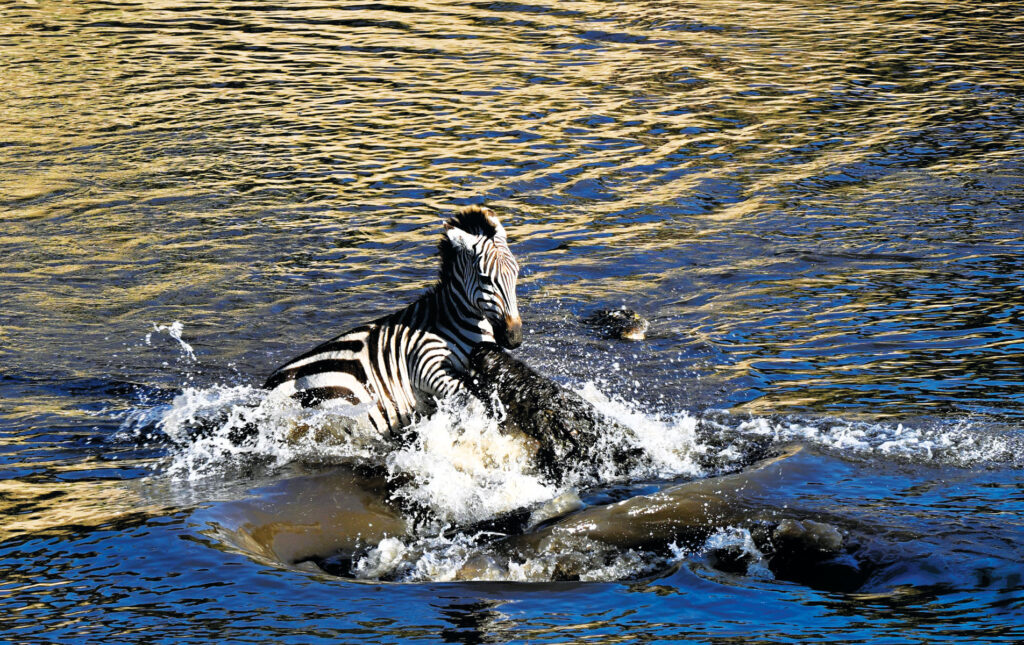
Then came the action. Four zebras came down the embankment and decided to cross the water, one leading and the other three, a few feet behind. There were frantic voices from our jeeps — warning the zebras not to cross — and before we knew it, a waiting crocodile had its meal. The first zebra, which appeared to be walking with supreme confidence believing that the coast was clear, walked straight into the fearsome jaws of the crocodile. The struggle was brief. There was only one victor — the crocodile, which dragged the zebra under the water and away to a more secluded spot, to be joined by a couple of other crocodiles, to savour its meal. A few of us hoped there would be more crossings and more kills. A few felt sorry for the zebra. But that is the cycle of life. Nature is brutal. One animal has to be killed for another to survive.
We saw a few wildebeests crossings during our 10-day trip to Maasai Mara, Serengeti and Ngorongoro, with one herd having at least a few hundred wildebeests crossing over. It was a majestic sight. The wildebeests are classified as one of the Ugly 5 animals in the African savanna; the others are the warthog, vulture, spotted hyena and the Marabou stork. They have their own reasons for crossing the Mara; they are either following the rain or blindly following the lead animal, which is most often a zebra that acts as the band master. Or a large number of them have gathered at the water’s edge and are constantly being pushed from behind for space by the newcomers, so they start crossing the river. The large number of vehicles with tourists, most capturing the action on their mobile phone cameras and a quite a few like me, with digital cameras and telephoto lenses, crowd the waterfront waiting for the animals to cross. The park rangers do their best to regulate the crowd. Vehicles are not allowed near the banks if a crossing looks imminent. Once the animals start crossing the water, all hell breaks loose. Literally. The drivers make a dash for vantage positions for their passengers to get a better view of the crossing.
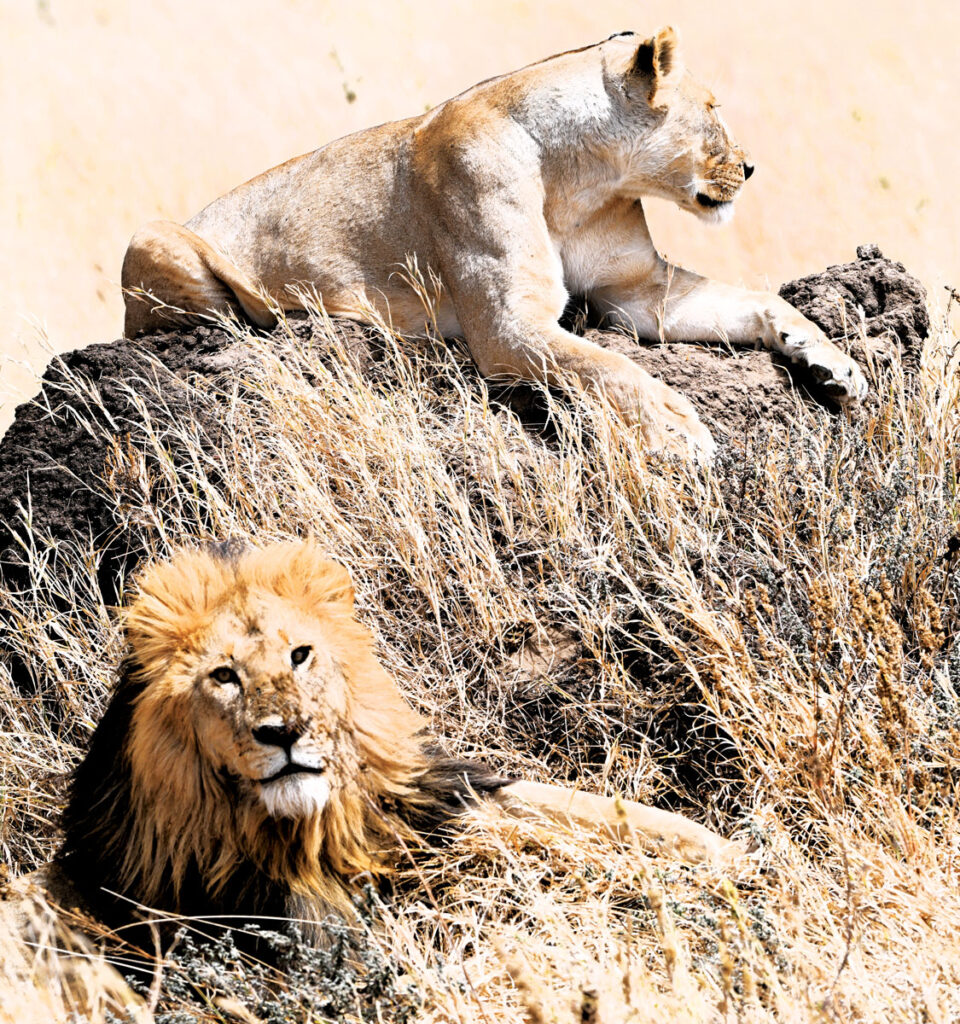
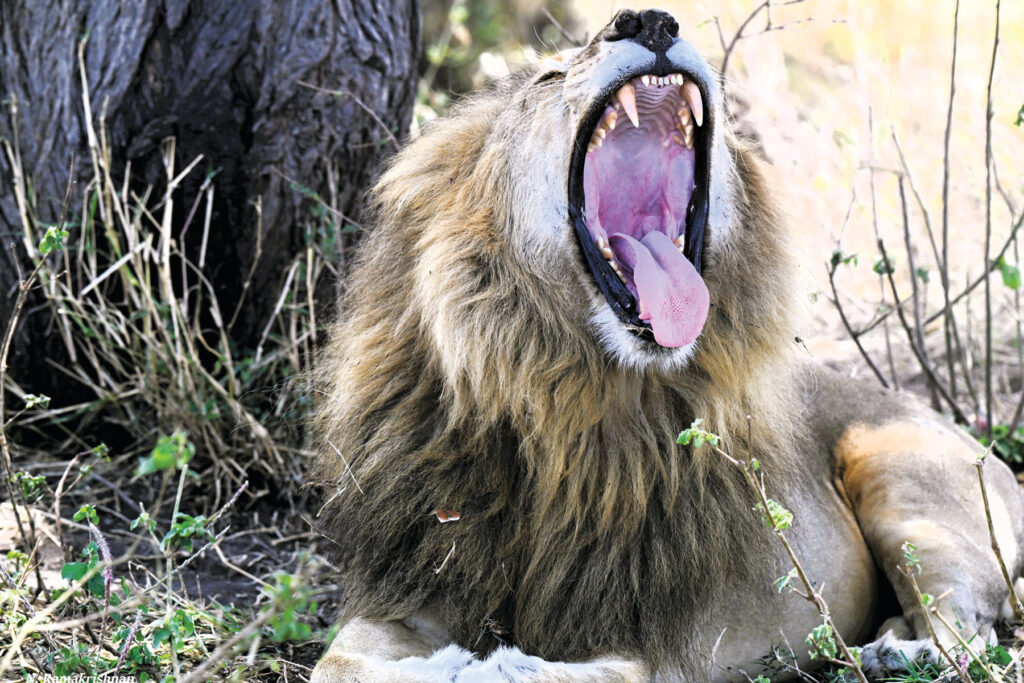
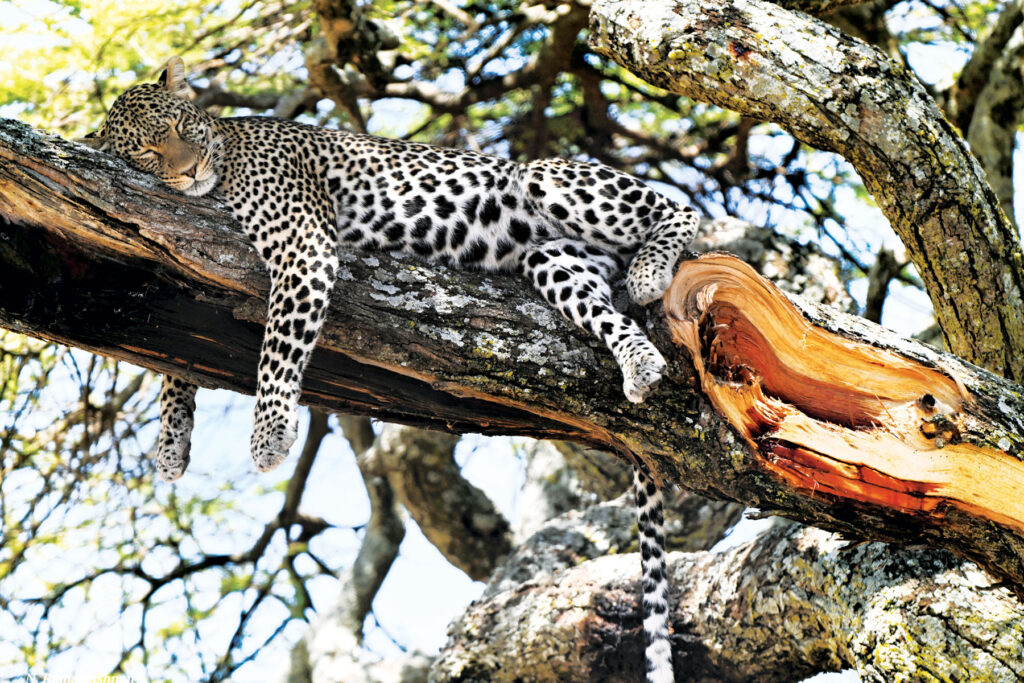
The wildebeest crossing is just one of the splendid sights in Maasai Mara and Serengeti. You get to see at least four of the Big 5. The Big 5 are the lion, bison, leopard, elephant and rhinoceros. I cannot understand how they could leave out the cheetah from this list and include the bison. But that is matter for another discussion altogether. In our case, we saw the first four in Maasai Mara and Serengeti and got a good glimpse of a herd of four rhinos from a distance at Ngorongoro. Having been to quite a few tiger safaris in India, I am always entrhalled by tigers and, even after watching lions at close quarters in the wild for the first time, I still believe that tigers are more majestic and mesmerising when compared to lions. But that doesn’t mean I did not get excited seeing lions at different locations, including a pride getting ready to hunt a herd of wildebeest, which unfortunately did not happen, when we were waiting here. The lions know they are kings of the jungle; quite a few sauntered within a few feet of our vans, including a male with a majestic mane. Others sat on their haunches and lapped up water from the puddle that had formed on the roadside thanks to an overnight shower.
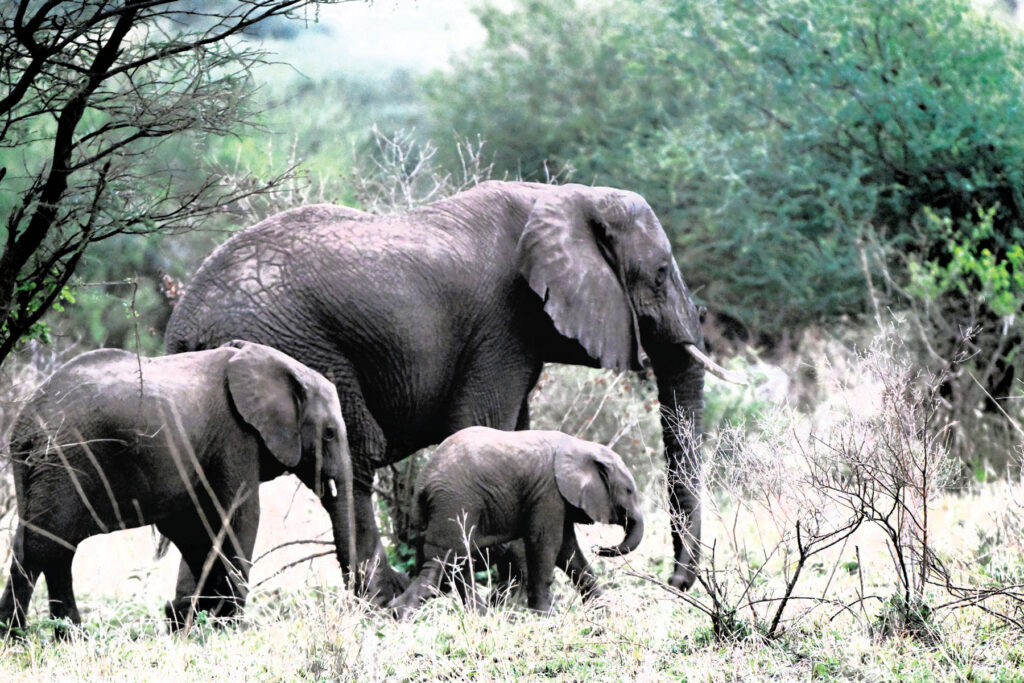
The landscape was dry and open, unlike most of the tiger reserves in India. It was the dry season and the vast expanse of Serengeti plains were open grassland with the occasional tree in the distance providing a striking contrast to the landscape. There are different types of antelopes such as the Thomson’s Gazelle, Impala, Coke’s Hartebeest, Eland, Grant’s Gazelle, Bush buck and water buck, grazing, always on the alert for a predator. At least on two occasions, elephants came within touching distance of our vans, including a large bull elephant with huge tusks at Ngorongoro. They didn’t care about the humans. They walked noiselessly, feeding on whatever they fancied. It was their home. The humans were intruders.
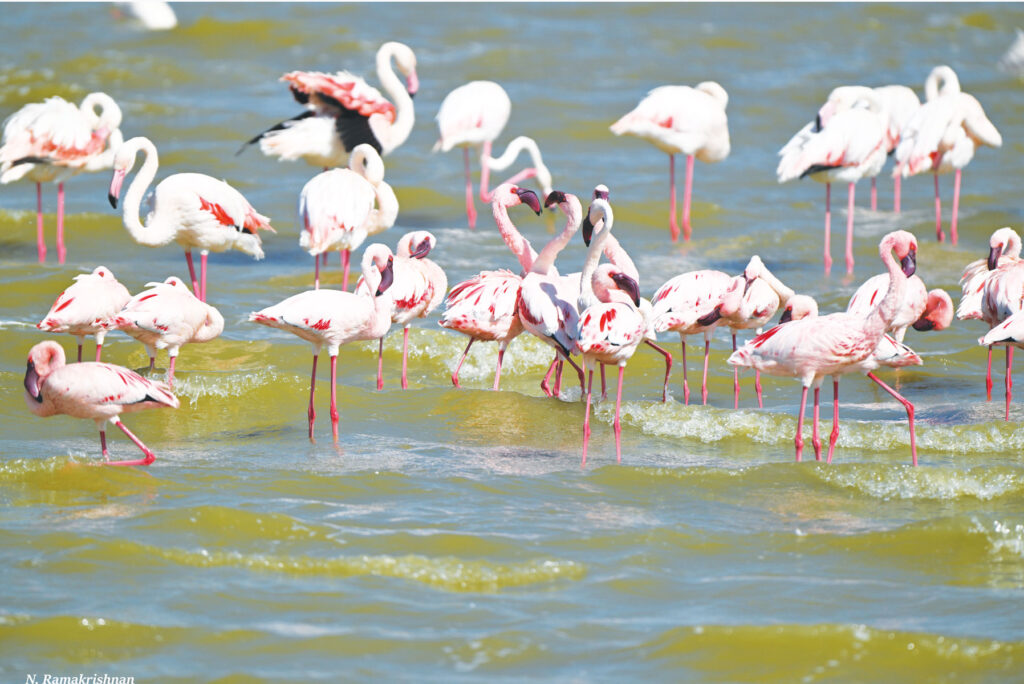
In Ngorongoro, the crater that was formed by a volcanic eruption over two million years ago, you get to see the flamingos, both the Lesser and the Greater varieties, sifting through the water in the lake for algae, which is their main food and which also gives them their colouration. The Maasai Mara, Serengeti and Ngorongoro are rich in bird life, but only hardcore bird watchers like me will be interested; most people want to sight the larger animals. The van drivers, who are also guides, have to undergo courses to qualify as guides. They are excellent at spotting the animals in the distance and constant walkie-talkie chatter alerts everyone about where a predator has been sighted or a crossing is about to start.
The mad rush then begins to get the best possible position. For many, it is a trip to tick off one more item on their bucket list, but for nature and wildlife lovers like my wife and myself, it was a lifetime experience. Something to be savoured for a lifetime. The photographs will help, of course! I could have just sat gazing at the grassland all day, even if I hadn’t spotted a single animal. If you have the money and can put up with back-breaking rides in the Land Cruisers and are prepared to wait to spot the animals, the trip is indeed worth it.
Our trip started in Nairobi, from where our drivers Amos and Isaac drove us in Land Cruisers to our first resort in Maasai Mara. From there, we took two bush flights in small Cessna aircraft to get to Serengeti, where we were picked up by our drivers Gilead and Philip, who spent the rest of the tour with us till dropping us off at the Kilimanjaro airport to head home with great memories. The highways were excellent, and we found more people obeying traffic rules on the highways than in India. The conversation right from the time we left Nairobi was whether we would see the cats or a crossing. All that our helpful guide would say was, wait and see. Thankfully, we waited and saw all that we wanted to.
The writer is a Chennai-based independent journalist
Pictures by Ramakrishnan