





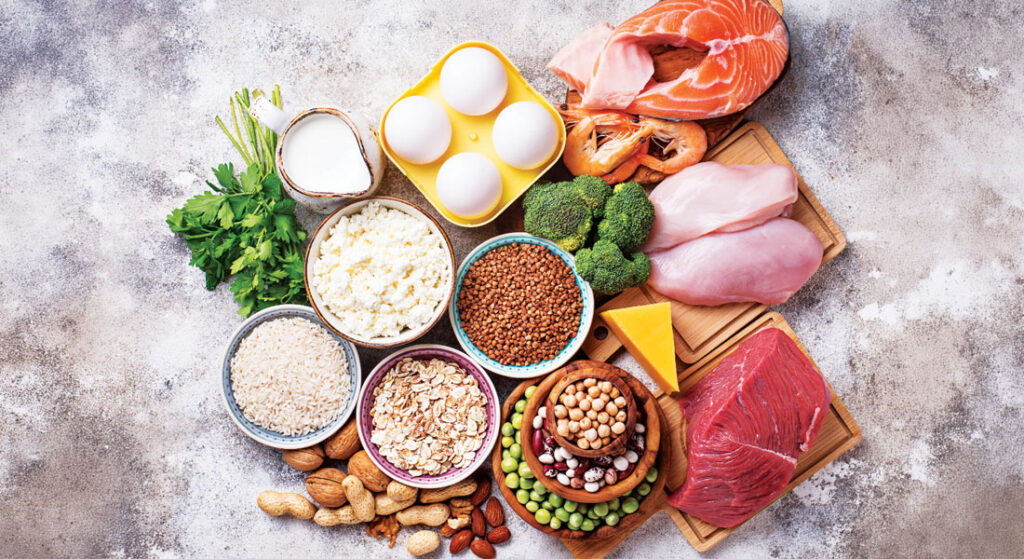
Suddenly, everyone seems to be talking about protein. Once discussed mainly in gyms among bodybuilders, weightlifters and athletes, it has now become a concern for ordinary people. Growing awareness suggests that an Indian diet dominated by rice or wheat, with only small portions of protein-rich foods, may leave some people short of their requirements. A well-planned vegetarian diet, however, can provide adequate protein.
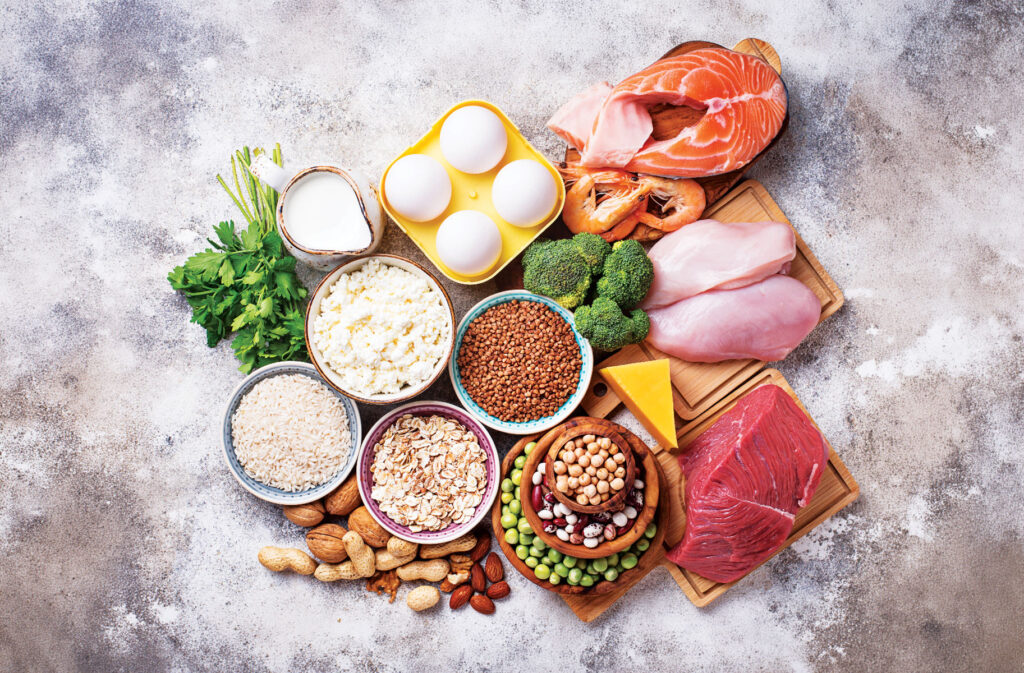
Unlike vitamins and minerals, which are micronutrients needed in small quantities, protein is a macronutrient required in larger amounts. It builds, maintains and repairs tissues, supports immune function, and forms part of many essential hormones and enzymes. It is also necessary for growth, wound healing and recovery from illness or injury.
Protein requirements vary with age, activity and health. Children need protein to support growth, but their requirements depend on their age; a single figure does not apply to all children. For most healthy adults, the recommended daily allowance is approximately 0.8 gram per kilogram of body weight or about 56gm for a person weighing 70kg.
People who exercise regularly may require more. Those doing substantial endurance or strength training often need about 1.2–2.0 gm/kg daily, depending on training intensity and goals. Exercising for an hour does not automatically put someone at the upper end of this range.
Daily exercise remains beneficial even when someone spends much of the day sitting. However, prolonged sitting carries additional health risks, so desk workers should also get up, move around and break up long periods of inactivity.
With advancing age, maintaining muscle becomes particularly important. Sarcopenia is the progressive loss of muscle strength and mass associated with ageing. It can cause weakness, slower walking and difficulty rising from a chair. As it progresses, balance and mobility suffer, increasing the risk of falls, fractures and loss of independence. Strength training can help preserve muscle and physical function.
Age-related changes, inactivity, hormonal changes and chronic illnesses all contribute. Poor nutrition may add to the problem. Loose or missing teeth, poorly fitting dentures, a painful mouth, difficulty swallowing and reduced appetite can make eating a challenge. Some medicines also affect appetite or taste. These problems deserve attention rather than being accepted as inevitable consequences of ageing.
Healthy older adults are often advised to aim for approximately 1.0–1.2gm of protein per kilogram of body weight daily. Requirements may be higher during illness or recovery, but should be assessed individually, particularly when kidney disease is present. Including protein-rich foods at each meal makes the daily target easier to reach..
For healthy adults, protein generally provides 10–35 per cent of total daily calories. However, calculating the requirement in grams is usually more practical than working with percentages.
Understanding portions helps. One large egg provides approximately 6–7gm of protein, while an egg white provides about 3–4gm. A 100gm portion of cooked chicken breast contains approximately 30gm, and the same quantity of cooked fish usually supplies around 20–25gm.
Vegetarian foods can also contribute substantially. Pulses, beans, chickpeas, soybeans, tofu, milk, curd and paneer are useful sources. Nuts and seeds add protein, although they are also calorie-dense. Rice and chapatis contribute smaller amounts and should be accompanied by more concentrated protein sources.
Food values vary with the variety, portion size and preparation method. Cooked lentils may provide approximately 7–9gm of protein per 100gm, but a watery dal preparation contains less. Milk supplies approximately 3–3.5gm per 100ml. Raw and cooked weights should not be confused: pulses absorb water during cooking, reducing the amount of protein per 100gm without removing protein from the original portion.
Nutrition databases, food labels and apps can help estimate intake. Online searches and AI-generated charts are convenient, but check their figures against reliable sources, especially when portion sizes or cooking methods are unclear.
For older people with small appetites, obtaining enough protein from bulky meals can be difficult. Smaller meals containing concentrated sources such as eggs, curd, paneer, or thick dal may be easier to manage. People with lactose intolerance may tolerate curd or lactose-free milk better than ordinary milk.
Some people consume several egg whites each day to increase their intake. Six egg whites supply roughly 20–24gm of protein, which is only part of most adults’ daily requirement. Whole eggs also provide useful nutrients like minerals, flavonoids and antioxidants, so there is no universal need to discard every yolk.
Protein supplements can help when ordinary food does not meet a person’s needs. They come as powders, bars, and ready-to-drink shakes. Whey, soy and other suitable protein preparations offer convenient ways to fill a dietary gap. Check the label carefully: the amount in a scoop may be different from the amount of protein it contains.
Supplements are not essential for everyone, and their benefits depend partly on whether protein intake was inadequate to begin with. They should not be presented as treatments for high blood pressure, raised triglycerides or diabetes. Some preparations contain considerable sugar or calories, which may work against a person’s health goals.
Adequate protein must be combined with physical activity to preserve muscle effectively. Resistance exercises can include lifting weights, using resistance bands, performing suitable body-weight exercises (pilates) or repeatedly rising from a chair. Older adults also benefit from aerobic and balance exercises.
A 2–3kg dumbbell may suit some people but be too heavy or too light for others. As strength improves, you can gradually increase resistance, repetitions, or sets. People who are frail or have significant joint or balance problems may benefit from supervised instruction.
Choose supplements from reputable manufacturers and avoid products containing unnecessary stimulants, undisclosed ingredients or claims of hormone-like effects. Count protein from both food and supplements; more is not automatically better.
People with chronic kidney disease need individual advice because excessive protein can increase the kidneys’ workload. Their requirements also vary by disease stage and whether they receive dialysis. It is inaccurate, however, to claim that appropriate protein supplementation inevitably causes chronic kidney disease in people with healthy kidneys.
Adequate protein, sufficient overall nutrition and regular resistance exercise work together to maintain strength, mobility and independence as we grow older.
The writer is a paediatrician and author of Staying Healthy in Modern India