

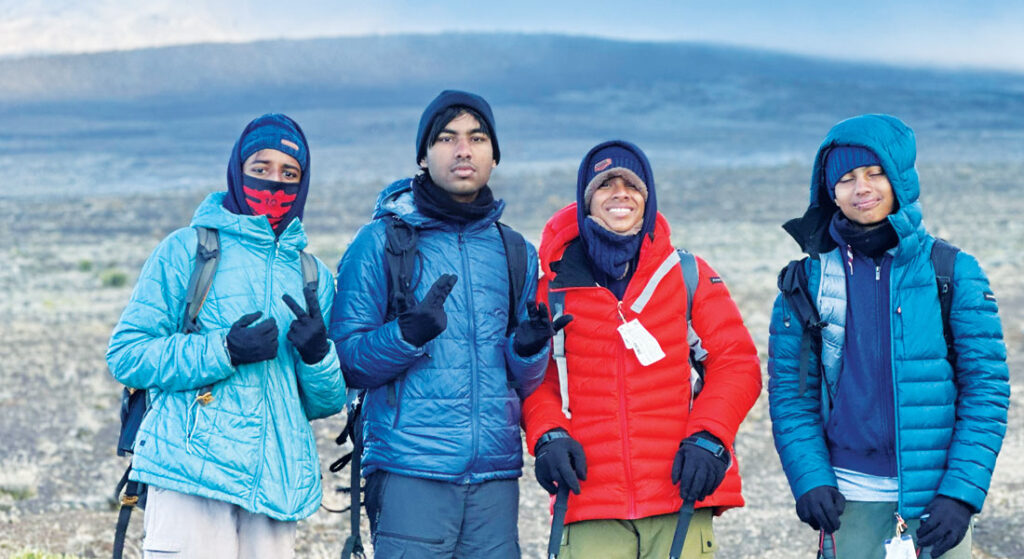
At 2am, the mountain was dark, the wind biting and the summit still hours away. For Ovium, a Class 10 student of The School KFI, Chennai, and three other Annets aged 13–18, the final ascent of Mount Kilimanjaro was about to begin. The peak lay somewhere ahead, and they had to keep walking through the cold. “Whenever the climb became overwhelming, I would say to myself: take ten steps, then ten more,” recalls Ovium.
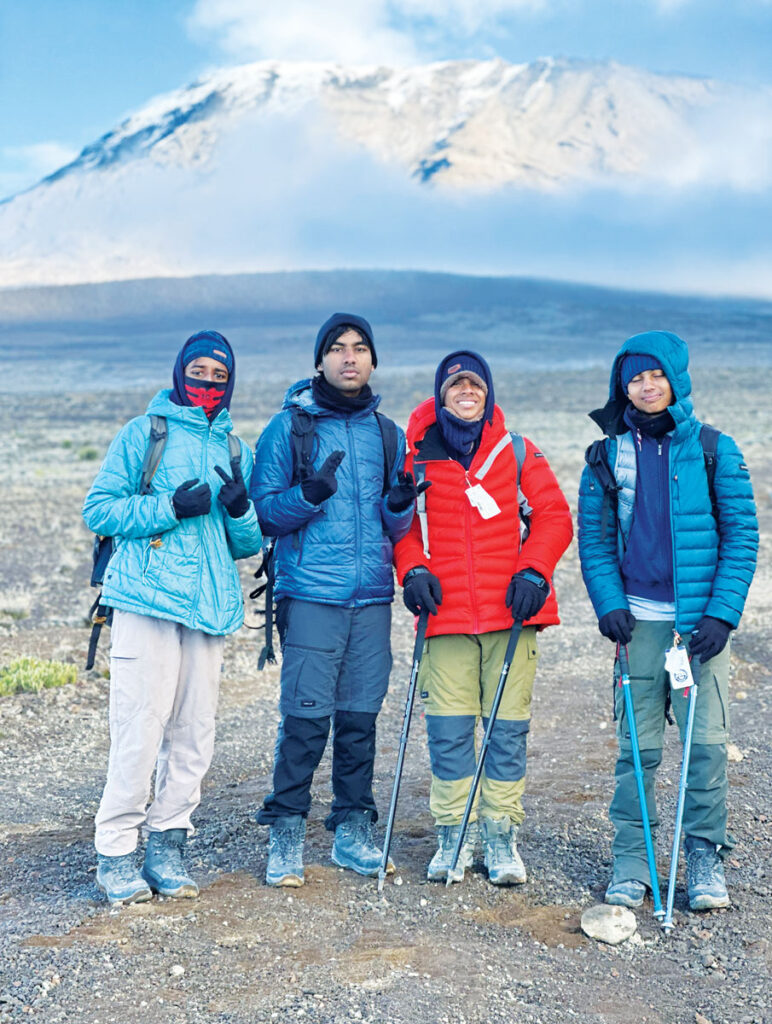
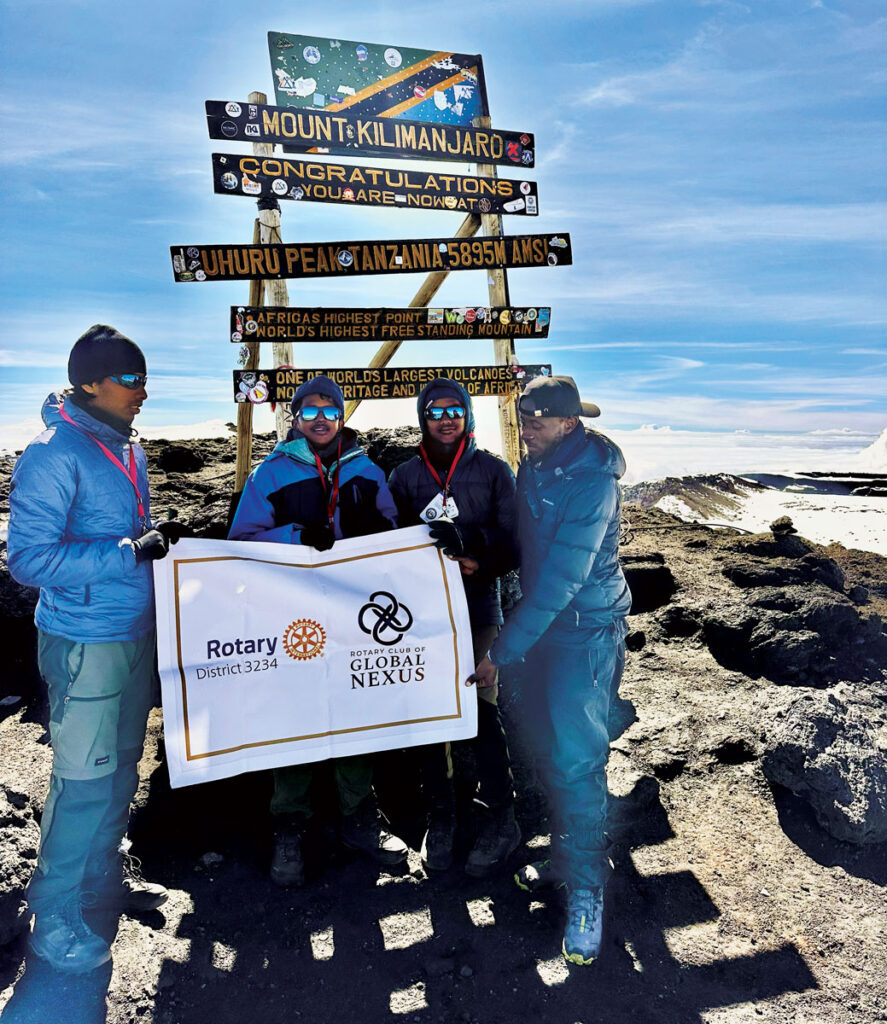
The group summitted Kilimanjaro, Africa’s highest mountain at 5,895m, during May 14–18, 2026. They were accompanied by Lakshmanan Krish, Ovium’s father and husband of Rtn Vidya Raghu, who has considerable trekking experience.
Having completed the Everest Base Camp trek in 2022, Ovium suggested Kilimanjaro when the family was discussing another mountain expedition. His father agreed, and three other youngsters joined the plan — Tamizh Iniyan (18) and Tamizh Inban (14), sons of Rtn Senthil Palaniswamy, and Ayaan (13), son of Rtns Anjali and Praveen. The Rotarians are members of RC Global Nexus, RID 3234.
With board examinations approaching, Ovium had to balance training with schoolwork. During the summer holidays, he went to the gym regularly and worked with a personal trainer to build strength and endurance. A week before the expedition, Krish took the children to Gokarna, Karnataka. “We made it a fun activity — running along the beach and climbing the surrounding hills. It helped build our endurance,” says Ovium.
The mountain, however, presented challenges they had not anticipated. The group had expected strong winds on summit day, but the preceding days were difficult too. While crossing a valley, powerful gusts swept down the surrounding slopes, making it hard for them to walk steadily. They took shelter behind rocks to recover before continuing.
Ovium recalls one particularly cold lunch stop in the valley. The group was served hot potato stew with meat, but the wind made it difficult to eat. “The food became ice cold in an instant; I managed only a couple of spoonfuls before giving up,” he says.
On summit day (May 18), the group set out at 2am, hoping to cover as much ground as possible before daylight revealed the peak. “When you can’t see the peak, you just keep walking, walking, and then you get there. In daylight, it looks so high that it can demotivate you,” he says.
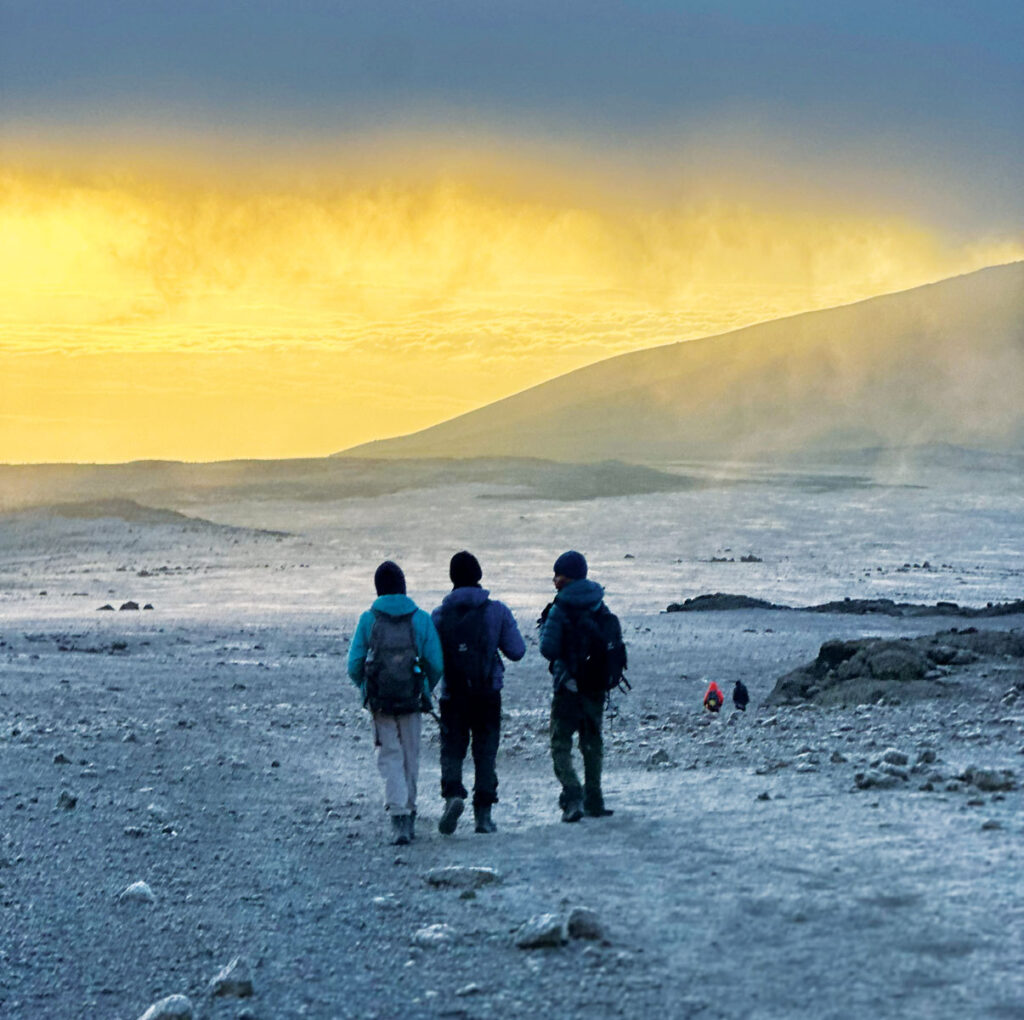
As the sun rose, fatigue began to set in. Ovium focused on taking ten steps at a time, while his friends encouraged each other to keep going. “We were all together, helping each other get up the mountain. The Tanzanian music our guides played also helped keep our spirits up,” he recalls. Strong winds made the cold more intense despite multiple layers of clothing.
Krish had prepared the youngsters for the demands of the trek by giving them three basic instructions: get adequate sleep, eat enough and stay hydrated.
“No browsing through the phones at night, because you need adequate sleep to prepare for the long trek the next day. Eat what you like, because the energy comes from carbohydrates, but don’t overeat. Drink two to three litres of water a day, even when you don’t feel thirsty,” he says.
He also introduced them to a phrase they would hear repeatedly on the mountain: pole pole, Swahili for ‘slowly, slowly’. “From the beginning till the end, we went at that pace. No matter what, we kept to it so that we could catch our breath,” he says.
Krish developed an interest in mountains during an all-India drive in 2016. Since then, he has trekked in the Himalayas and the Caucasus Mountains in Russia, and completed the Everest Base Camp trek several times. His wife Vidya is also an avid trekker.
“We took Ovium on his first mountain trek when he was four. During that trip in Uttarakhand, he walked up to an altitude of 10,000 feet, refusing our offer to carry him through the difficult sections,” he says with a smile.
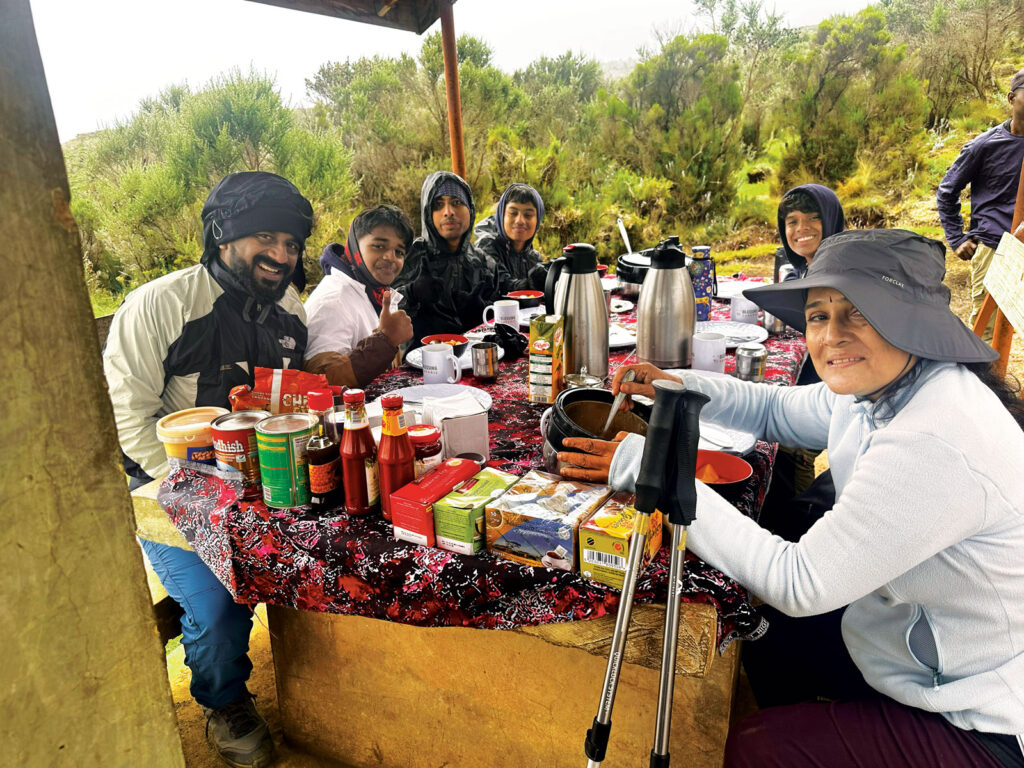
For Krish, the Kilimanjaro expedition was an opportunity to see how the youngsters would respond to a demanding experience away from familiar surroundings. He was pleasantly surprised by their independence and sense of responsibility. “People told me I would have a tough time managing four children. But I did not have even a single minute of managing them. In fact, they managed me very well,” he says.
Admiring their willingness to persevere despite the difficult weather and terrain, he says, “I appreciate these boys for making the choice to defy the odds in terms of wind, weather and terrain. It’s a mountain — much stronger and bigger than us. Most of them had limited trekking experience, but I admire their grit and determination.”
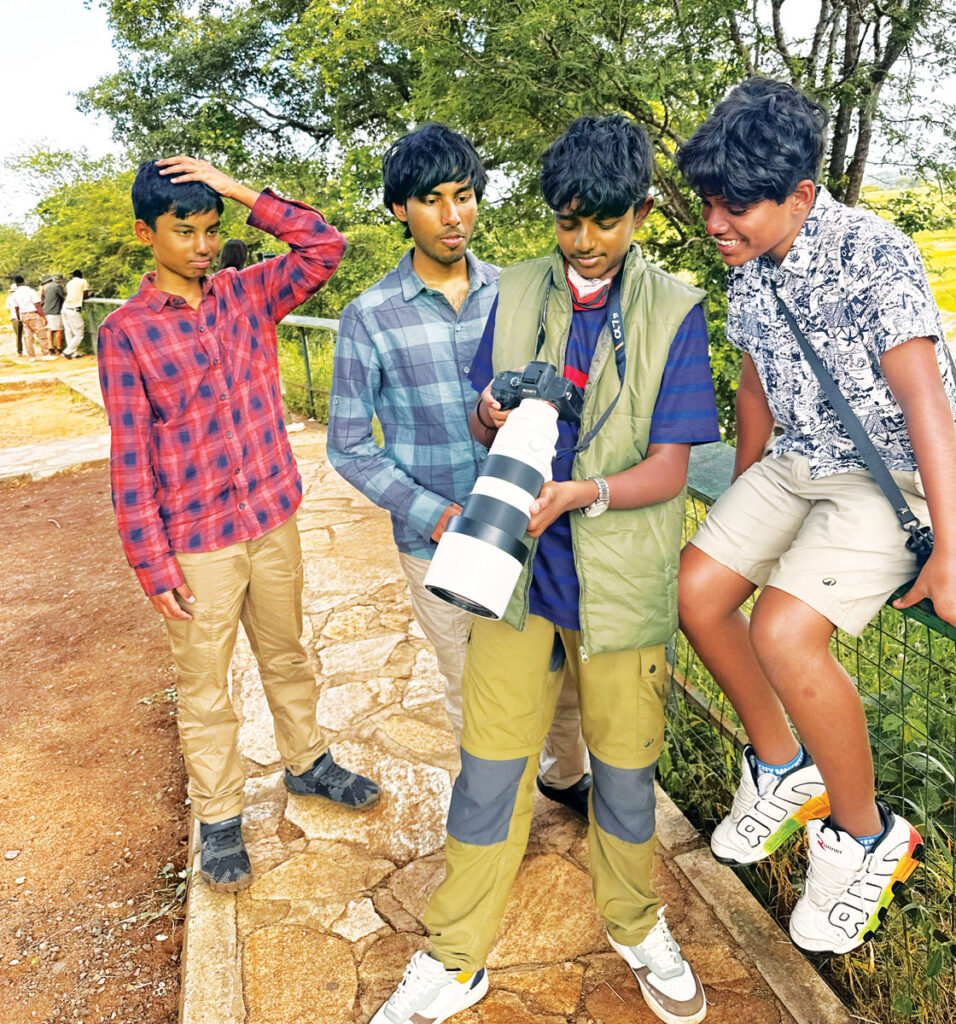
After the trek, the group spent two days on safari, observing wildlife. The expedition cost $3,000 per participant. The five climbers were supported by a 22-member crew who prepared their meals, carried their bags and guided them along the route. “I chose the members carefully and didn’t want to cut corners and suffer,” says Krish.
For Ovium, the expedition remains “an unforgettable experience”. He hopes to climb Mount Elbrus in Russia or Mont Blanc in the Alps next.
Ayaan describes the climb to Kibo as the second-hardest part of the expedition, with the final ascent proving the most challenging. “There was a point where the incline was, I think, around 70 degrees, and walking there was the hardest part,” he recalls. Physical demands not withstanding, he found the whole experience “amazing”.
At the summit, the youngsters planted the RI District 3234 flag, taking it to the top of Africa’s highest mountain.