




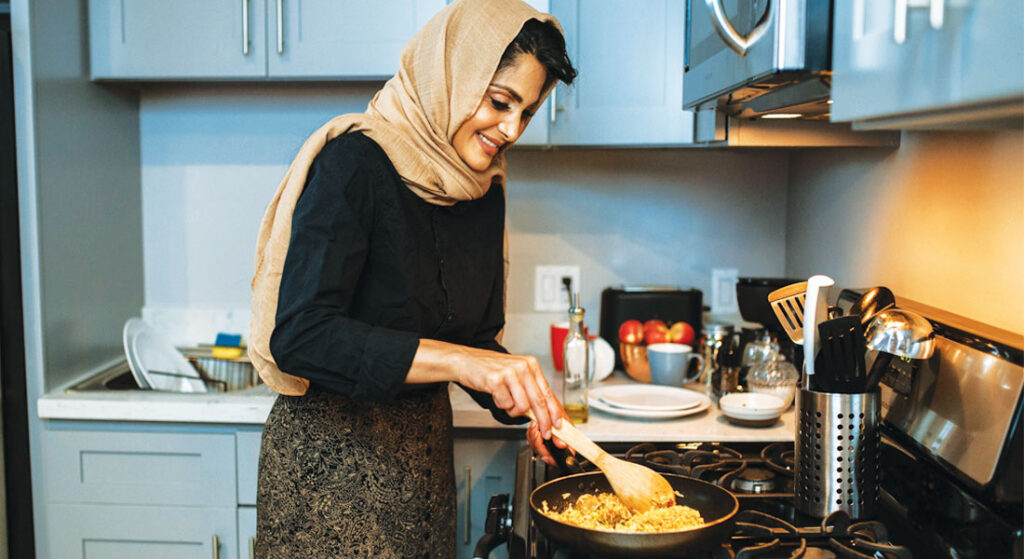
Both urban and rural regions need access to clean cooking solutions to bring down air pollution.
Since the onset of the Israel-US-Iran war, every neighbourhood has been worrying about or contemplating the shortage of LPG or cooking gas and the slowing down of its delivery to households in the future.
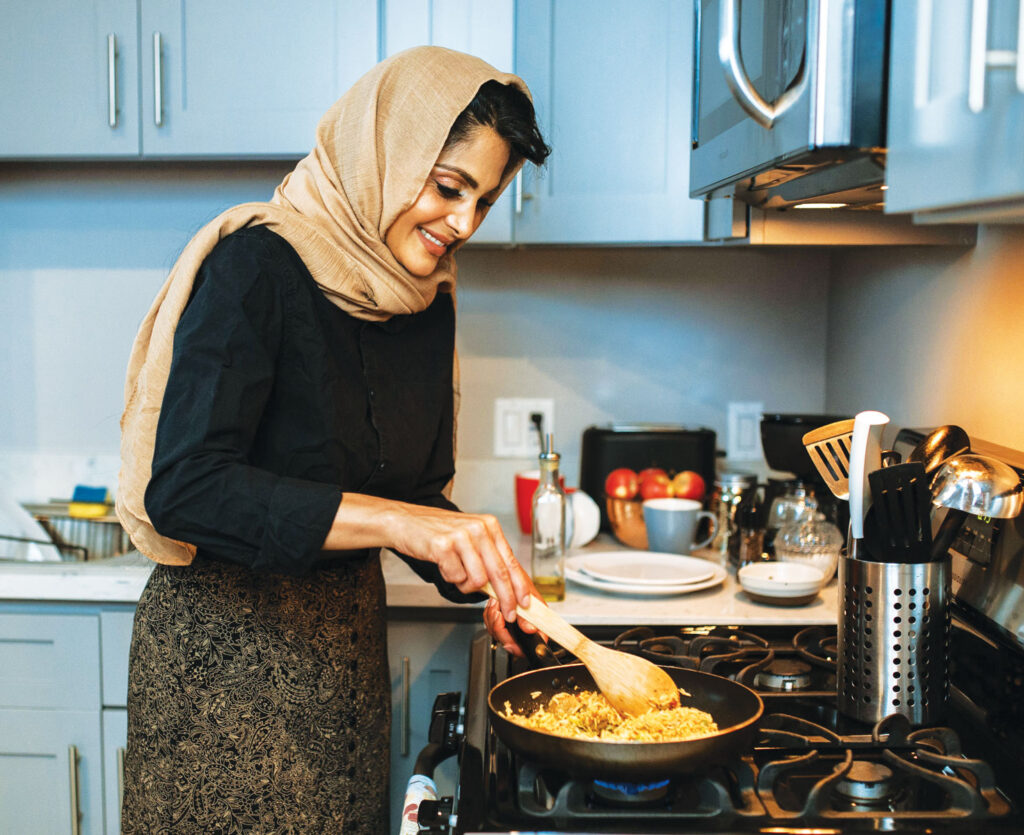
Some families quickly bought an induction stove to use alongside the LPG gas stove, others invested in an air fryer, both connected to electricity and giving out zero emissions upfront. Of course, it is another matter that the majority of electricity generated in our country relies on coal, a dirty fuel. As most of us know, electricity generated from renewable energy is the best and cleanest alternative.
But then, there is a paradox. Whenever we talk about global warming or reducing our carbon footprint, our primary focus is on urban India. And when remedial action taken is cited what is talked about is the successful propagation of LPG as a clean fuel for cooking.
Indeed, urban homes have a host of clean fuel options for the kitchen. So, you have piped gas in some cities, electric hot plates, air fryers and cooking ranges that work on electricity. Among the urban poor LPG has become popular and has replaced firewood, coal and wood as the cooking medium.
Access to LPG has also spread deep into rural areas. However, three recent studies released by the Council on Energy, Environment and Water (CEEW) have found that formal access to LPG has not kept pace with the growing informal market which is currently fulfilling the demand.
Formal access means having an authorised gas connection which ensures periodic replenishment of empty cylinders by a government recognised provider. But there is a thriving grey market in gas cylinders patronised by those without a gas connection.
The studies are quite comprehensive. They bring data from over 2,200 rural households across six states, over 1,100 households in informal settlements and over 1,000 migrant workers across 10 cities.
According to the CEEW studies, in rural India gas cylinders are often bought from kirana stores, roadside dealers or unauthorised distributors at a premium. This unregulated supply comes with the risk of cylinder explosions and fires. The study underlines the need for a clean-cooking policy to solve sustained usage, affordability, formal access and last-mile delivery.
Let’s take a peep at the difference in the cooking gas scenario between urban and rural regions, as urban areas also have an informal LPG market.
Among urban informal settlement households, the study shows, LPG usage is far higher, at 70 per cent exclusive use, but 31 per cent of those without a formal connection were turned away for lacking documentation such as proof of address. As a result, 11 per cent of those surveyed buy cylinders informally, paying ₹1,040 against a retail price of ₹803, a price which prevailed at the time of the survey.
Among rural households it is different. The report says, “Among rural households, 73 per cent used LPG in the previous 90 days, but only 23 per cent use it exclusively; half still rely on firewood as their primary fuel, and just 47 per cent of LPG users receive doorstep delivery, leaving refill cost and last-mile logistics as the binding constraints.”
This primarily means emissions from cooking fuel would be significantly higher as those using firewood is substantial. And unfortunately, the move to provide clean cooking stoves or solar cookers to rural India has been limited to just a few pockets of the country, with LPG being seen as the only viable solution. But in that too there hasn’t been the kind of streamlining needed in distribution of LPG across the country that would help to significantly clean the air and see that the affordability factor plays out right.
So, what is the link between clean air and the system of cooking adopted by households? If you are cooking with traditional biomass, wood, and other solid fuels, there will be higher emission of pollutants in the air. Long term exposure to these pollutants results in all kinds of health risks including respiratory diseases, cancer, oxidative stress, and cardiovascular diseases. Unfortunately, about 70 per cent of our population still depends on solid fuels for cooking. Studies in the past few years have indicated that biomass fuel burning for cooking accounts for up to 40 per cent of India’s air pollution and causes around 800,000 premature deaths annually.
Comments made by two Fellows from CEEW referring to the three studies are pertinent and need to be paid attention to by the authorities.
Prarthana Borah said, “Clean air is inseparable from how people cook, work and live. These studies show that providing an LPG connection is only the first step. If families cannot afford regular refills, migrants are not aware of formal connections under PMUY, or cylinders do not reliably reach rural homes, households remain exposed to polluting fuels. India’s clean air agenda must therefore look beyond access to whether clean cooking is affordable, reliable and used sustainably.”
Abhishek Kar, also made an important point, “Clean cooking policy now has to move from connection numbers to sustained use. For rural households, refill affordability and doorstep delivery matter most; for urban poor households, documentation and payment innovations like micro-payments are needed; and for migrants, additional subsidy and awareness are the missing links. For example, a majority of migrant LPG users buy informally, paying a per-kg premium of more than 20 per cent over general users who can afford a full formal cylinder. These lived realities must guide the next phase of clean cooking action.”
And what is the price that consumers would find affordable? The three studies have somewhat the same findings: at least 80 per cent of surveyed rural households, urban informal settlement households and migrant workers said that they would transition to exclusive LPG usage if they could buy a refill at ₹400 for a 14.2 kg LPG cylinder. The median willingness to pay was ₹500 across the three groups. However, both figures quoted by those surveyed are below the current effective subsidised PMUY cylinder price of ₹642 (at the time of the study, now it is much higher).
Cooking fuel too is a pollution issue, but more often than not it is swept under the carpet. But with unrestrained urbanisation, industrial pollution rising and our rural areas and small cities facing unprecedented growth, clean cooking fuel for all citizen categories must be taken seriously.
The writer is a senior journalist who writes on environmental issues