
For a premature or low birth weight baby in a neonatal intensive care unit (NICU), breast milk can be as important as any medical intervention. But when a mother is unable to provide enough milk, access to screened and pasteurised donor human milk can make a crucial difference.
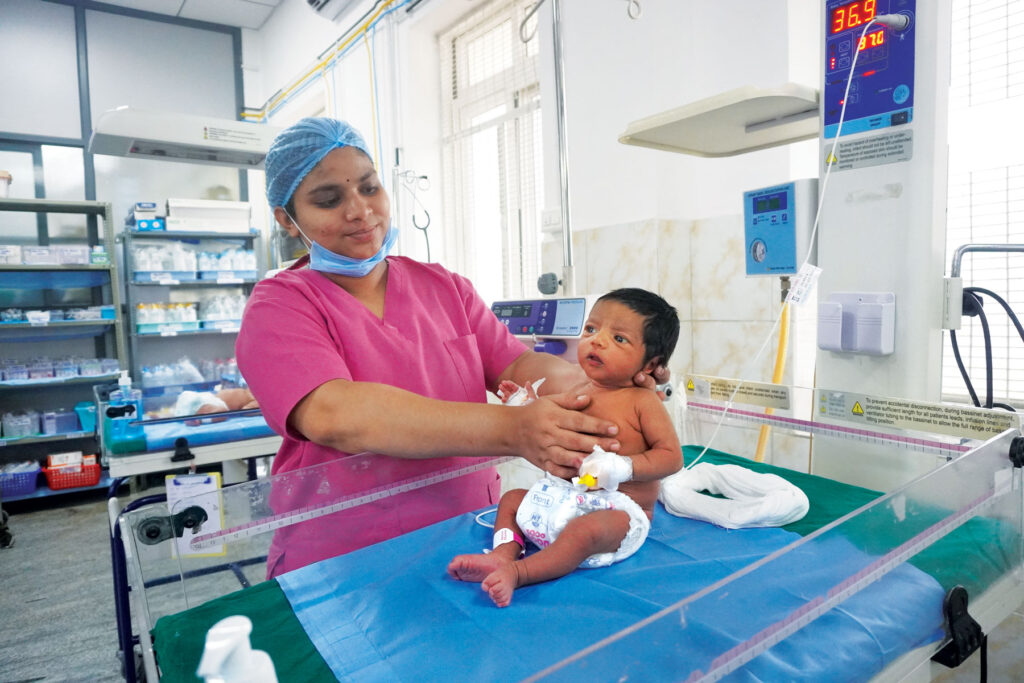
At the Cheluvamba Hospital for Women and Children in Mysuru, the Amrutha Varshini Rotary Milk Bank is providing this support to newborns who need it most.
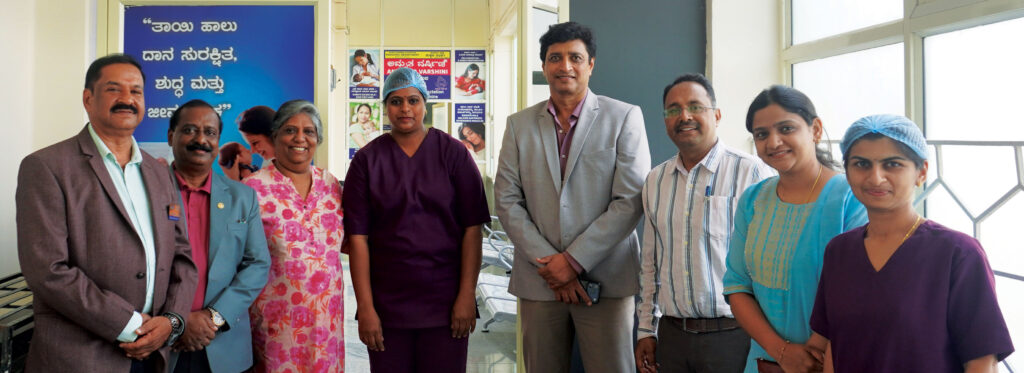
Set up jointly by the Rotary Clubs of Mysore Metro, RID 3181, and Bangalore South Parade, RID 3191, the milk bank was inaugurated on December 1, 2025, by the then DGs P K Ramakrishna and B R Sridhar. It began functioning on Jan 2, 2026, after a month of trial runs and establishing protocols with the hospital’s microbiology department.
“We started with very small quantities because we did not want to waste milk while we were establishing the process,” says Dr Hamsa, who is in charge of the facility. As awareness grew through intensive counselling, the response from mothers has been encouraging. From collecting about 1–1.5 litres a month initially, the bank collected 12 litres of donor breast milk in June. More than 250 mothers also visit the facility every month to express their own milk for their babies.
This facility is important for mothers with babies in NICU, who initially require a few ml of milk. But if the mother doesn’t express her milk regularly, her body will gradually reduce milk production.
This facility is particularly important for mothers whose babies are in the NICU. A premature or low birth weight infant may initially require only a few millilitres of milk. If the mother does not express milk regularly, her body can gradually reduce milk production. The milk bank encourages such mothers to continue expressing and donating the milk temporarily. When their babies are ready to feed, the mothers can resume feeding them with their own milk.
The bank currently caters to babies admitted to Cheluvamba Hospital. The hospital has four NICUs and receives around 300 – 400 admissions a month, according to Dr N Pradeep, head of the department. Many of these babies are from Mysuru and neighbouring districts such as Kodagu, Mandya and Chamarajanagar.
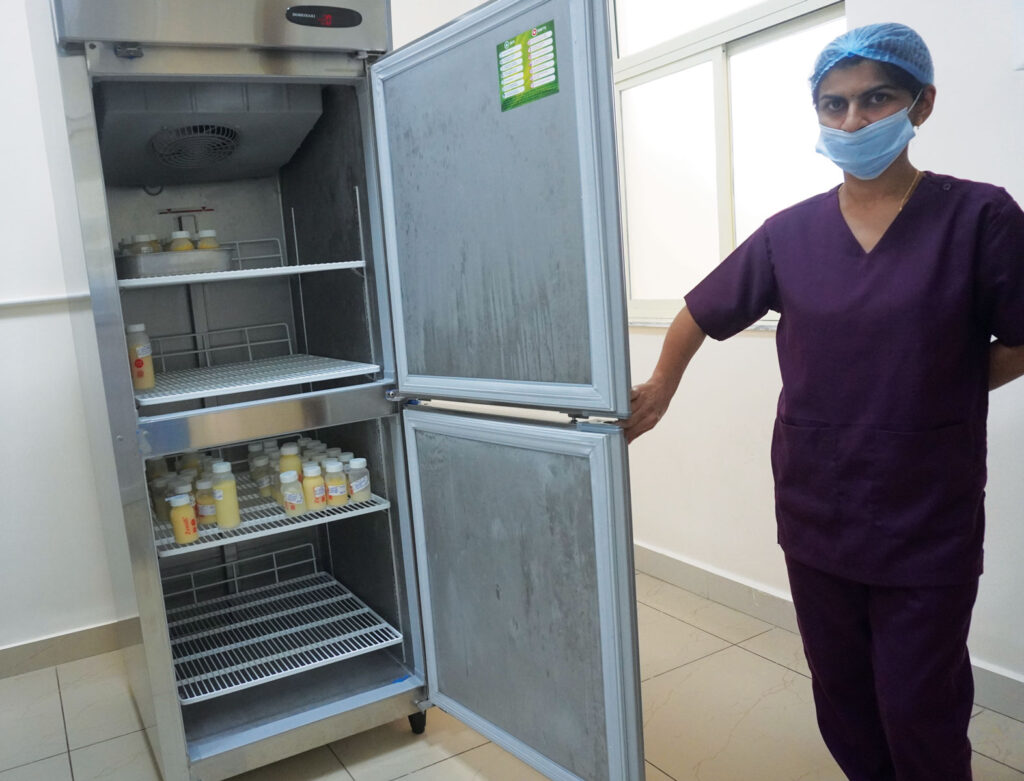
Donated milk goes through a carefully controlled process. The donor’s medical history is recorded and she is screened for infections that can be transmitted through breast milk. After consent, the mother is given instructions on hygiene, and expresses the milk in a designated area. The milk is carefully stored in a deep freezer until it is ready for processing.
Under a laminar flow system, the milk is pooled in small batches and samples are sent to the microbiology department for testing before and after pasteurisation. This process takes about 60–90 minutes. The milk is released for use only after the post-pasteurisation culture report confirms its safety. Milk showing potentially harmful bacterial contamination is discarded.
The bank currently pasteurises milk once a week. As donations increase, the team hopes to conduct more pasteurisation cycles and reduce occasional shortages. Careful pooling of milk from a maximum of one or two donors at a time has also helped reduce wastage.
In June, 54 babies benefitted from donor milk, compared to 46 the previous month, says Dr Hamsa. The milk is prescribed by the NICU doctors according to each baby’s requirement and is provided free of charge.
For the one-year-old RC Mysore Metro with 50 members, the milk bank is its first major project. “It has given our young club an opportunity to make a meaningful contribution for newborn care. It is one of the first such facilities in Mysuru,” says club president M P Gopalakrishnan proudly.
The hospital has identified another urgent need. With the NICU having recently expanded from 36 to 66 beds, the hospital sometimes receives critically ill babies from neighbouring districts who require ventilator support. “We may need two ventilators,” says Dr Hamsa. A basic ventilator costs around ₹12 lakh, while more advanced models can cost considerably more. Supporting the hospital with ventilators is therefore an area the club will consider as it expands its partnership with the hospital.