




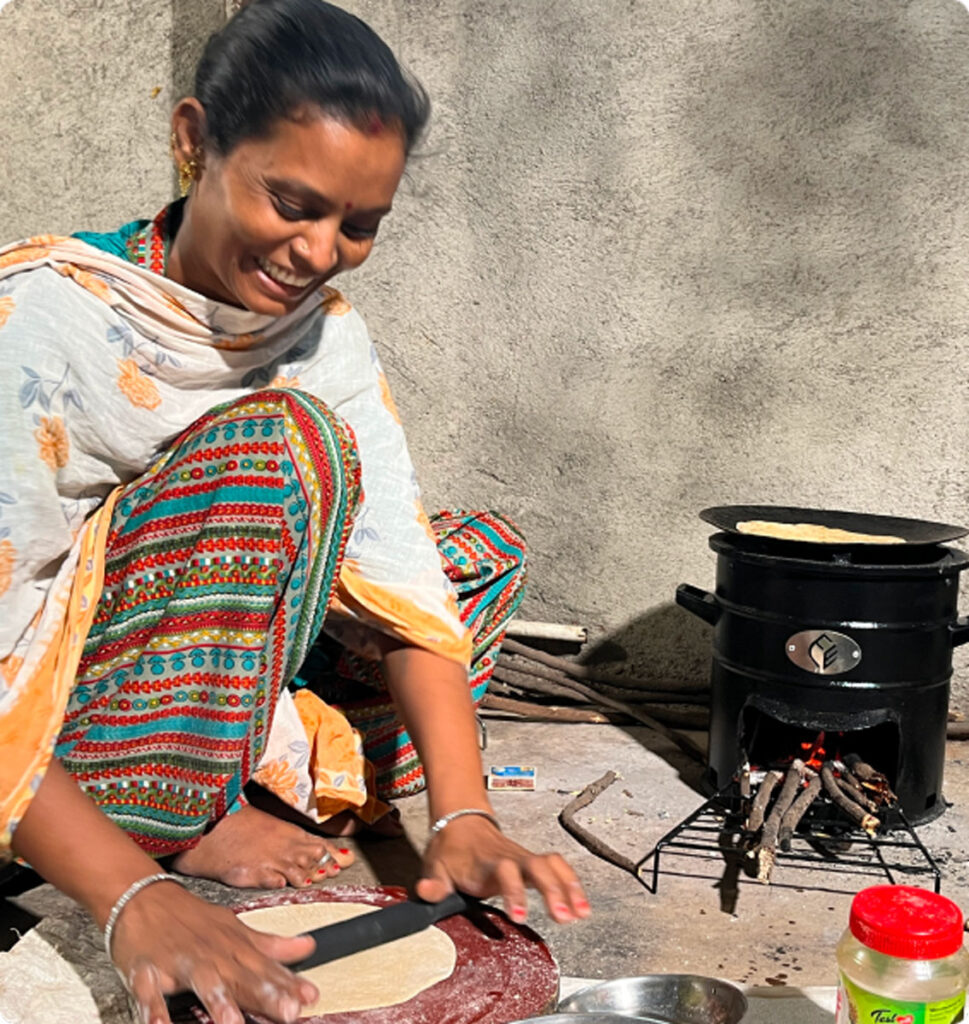
In order to provide major relief to tribal women from the hassles of daily cooking filled with smoke, grime, heat and sweat, that badly affects their health, RC Pune Sports City, RID 3131, had distributed smokeless stoves to 1,775 homes across 20 small hamlets in Ambegaon taluk in partnership with RCs Fort Collins Breakfast and Culver City, RID 5440, US, through a global grant valued at ₹42 lakh. The funds were used to procure modern stoves made by Earth Fit Solutions, Pune.
Tracing the genesis of the project, its primary contact Sandesh Savant was all praise for their GG partner, RC Fort Collins Breakfast, “with which we have been doing many service projects and community initiatives for the last 15 years, and they wanted to do this smokeless stove project as the varsity that designed it — Colorado State University — is in their city. Plus, we have many tribal hamlets where families depend solely on firewood for cooking,” he said. Also, the Indian company has earned a reputation for distributing this eco-friendly stove in remote villages through NGOs and CSR-funding from corporates over the last few years. Listing three important benefits of a smokeless stove, he said, “women need not trudge 2–3km to collect firewood as the metal frame system consumes less than 50 per cent wood than the traditional method. This will definitely save our trees.”
Given the visible and measurable impact of the smokeless stove, we will distribute another 2,000 cooking units to tribal families in Junnar taluk through a GG project valued at ₹45 lakh.
— Sandesh Savant
primary contact, RC Pune Sports City
Secondly, as most of the tribal families are living in single or two-room huts, they had to inhale fumes while using the traditional stoves, leading to respiratory problems and eye irritation; now their health is much better as these stoves are ‘almost smokeless.’ Tribal women can use the 3–4 hours of the time saved on collecting wood, followed by laborious cooking to pursue alternative sources of earning that will fetch additional income to their families, said Savant.
Livelihood pursuit
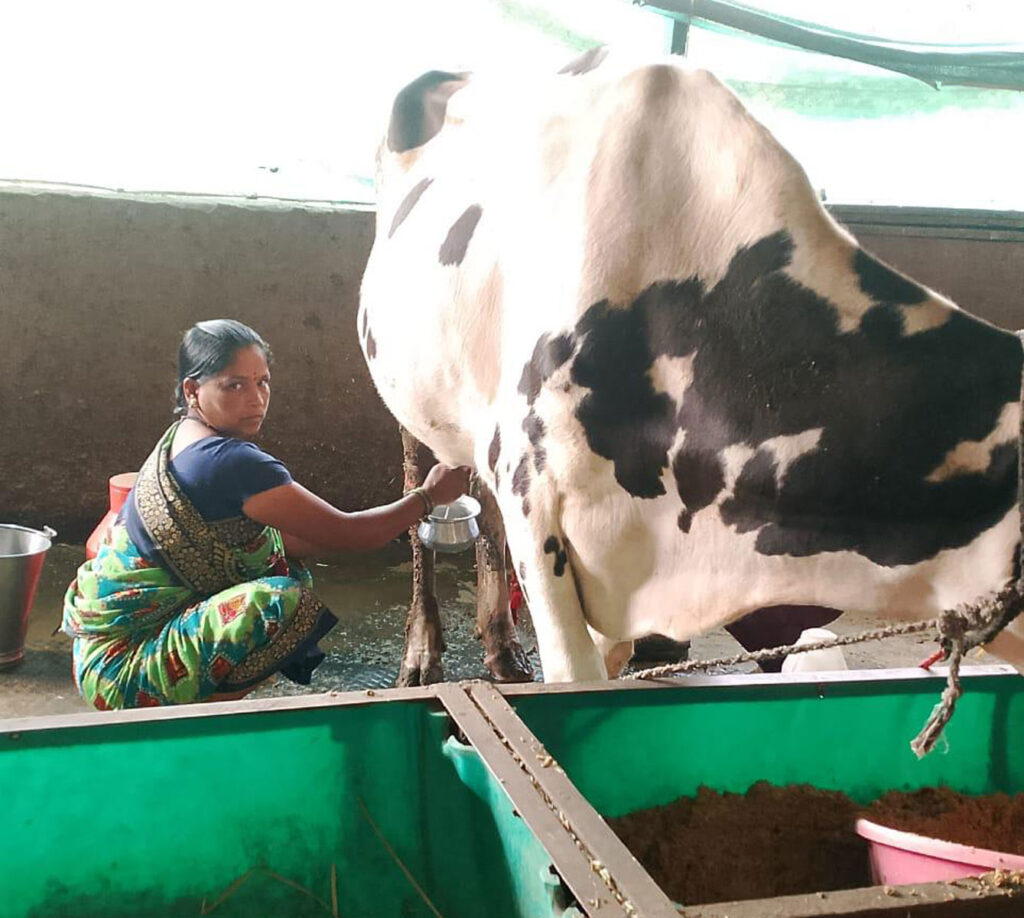
In partnership with their RCC Shashwat Trust led by its president Budhaji Damse, the club has trained 187 women beneficiaries in Malin and Mahalunge villages in dairy farming. Thanks to their sustained efforts, “our milk collection has touched 1,800 litres a day, generating an income of ₹80,000 in these two villages.”
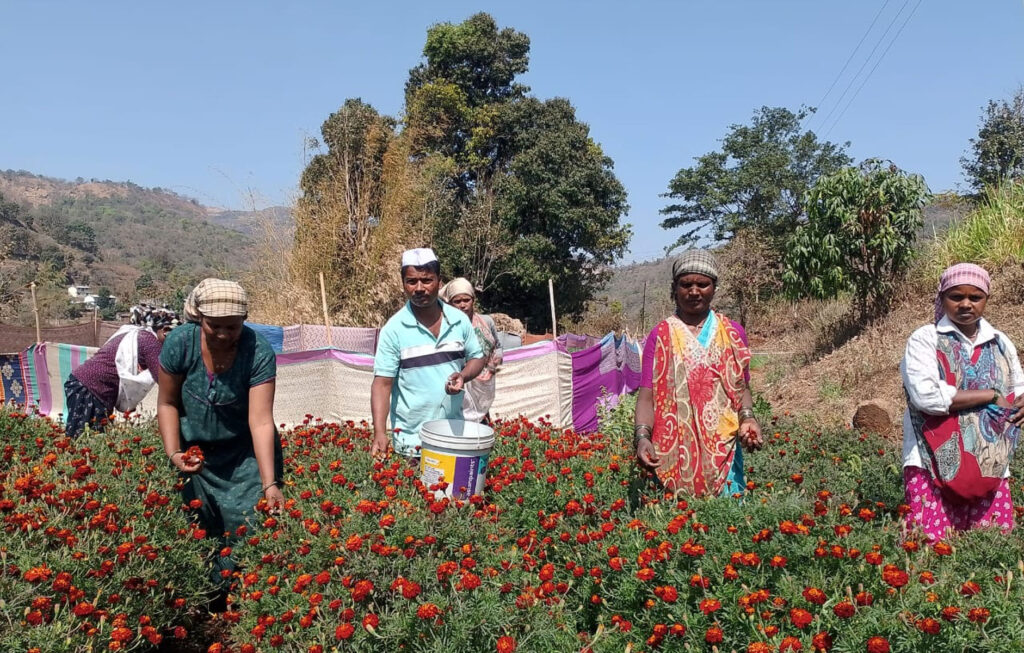
Likewise, 50 tribal families in three villages — Panchale, Asane and Shendewadi, all in Ambegaon taluk — have taken up cultivation of marigold and kafri flowers after they were trained in floriculture, and got market linkage support with “low investment, but higher returns, creating a good livelihood model for them.” The seasonal harvesting of flowers fetches an income of ₹30,000–₹40,000 per family within a few months.
Past president Sadhana Joshi (2024–25) during whose tenure the stoves were distributed in June, shared her interaction with three village women. “Swati Kedari (35) from Maybawadi village is now using the extra time to do vocational jobs earning her family the much-needed additional income.” Vanita Mavale (45) from Patan village pointed out that elders in her family are now healthy due to smokeless cooking, and are involved in making sun-dried edibles like papads and other snacks for the retail market.
Pushpa Shelke (42) from Kondhare village said, “With the advent of this modern eco-friendly stove, I don’t trek long distances, as we did earlier, to collect firewood, and our family members are now healthy and cheerful.” Given the visible and measurable impact of the smokeless stove, “we will be distributing another 2,000 cooking units to tribal families in Junnar taluk through a GG project (₹45 lakh) for which we are scouting for a global partner,” added Savant. He is hopeful of completing the new project within this Rotary year.
Pond rejuvenation
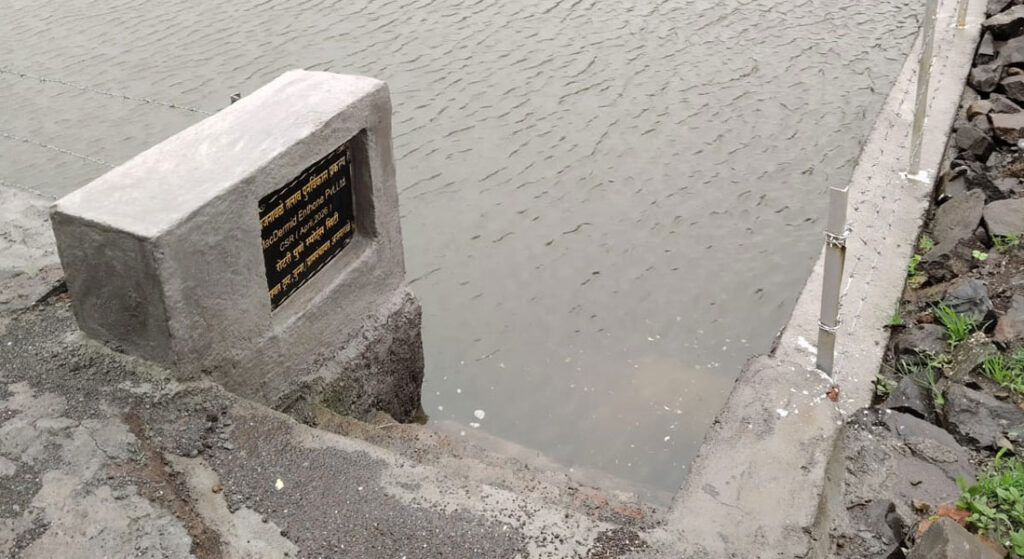
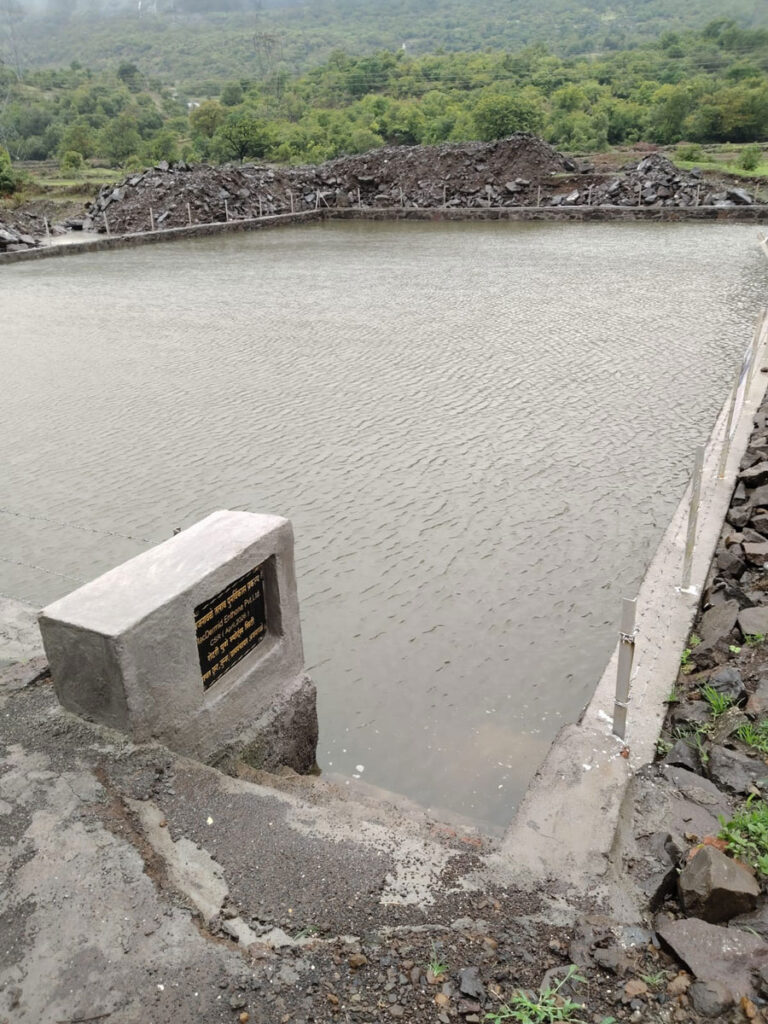
Following a request from the Anjanawale Group Gram Panchayat in Junnar taluk, a Rotary team visited a derelict, remote pond that was in disuse. The study team prepared a report on the state of the pond, and Mac Dermid Enthone, an industrial solutions corporate, came forward to rejuvenate the waterbody at a cost of ₹11.5 lakh.
Though the project was started in December 2025, “water could not be pumped out into the nearby fields as they had standing crops which would get flooded. Also, rainwater is flowing into the pond, hence we could not excavate it then,” recalled Savant. After draining the water in January, “we deployed porcelain and other earth moving machines to excavate the lakebed in February.” Villagers helped the masons in building a four-feet stone wall around the pond and its water pulley system by March-end. “We also erected a three-feet barbed wire-mesh guard on top of the wall to prevent cattle scaling up and entering the pond.”
With the positioning of a 200 litre- giant drum (for watering livestock) a few yards away from the pond, and installation of a granite signage, the rejuvenated pond was handed over to the group gram panchayat sarpanch Aruna Ghatkar on May 31. Around 750 tribal families and 3,000 livestock across four villages in Junnar taluk will have access to 15 lakh litres of water from the reclaimed pond.
An overjoyed Aruna said, “the rejuvenated pond will save us walking 2–3km daily to fetch water for our domestic use.” For Dilip Kokane (48) from Pasarwadi village, “there are no words to express our happiness. We now get clean water for drinking and rearing cattle all through the year.”
With heavy rains during the recent monsoon, the Anjanawale pond’s size has increased to 33 lakh litres “in just two days of massive downpour. Our decades-old water scarcity is finally over. Many thanks to Rotary and its CSR partner,” said Punaji Kokane, a 26-year-old resident of Talyachewadi village.